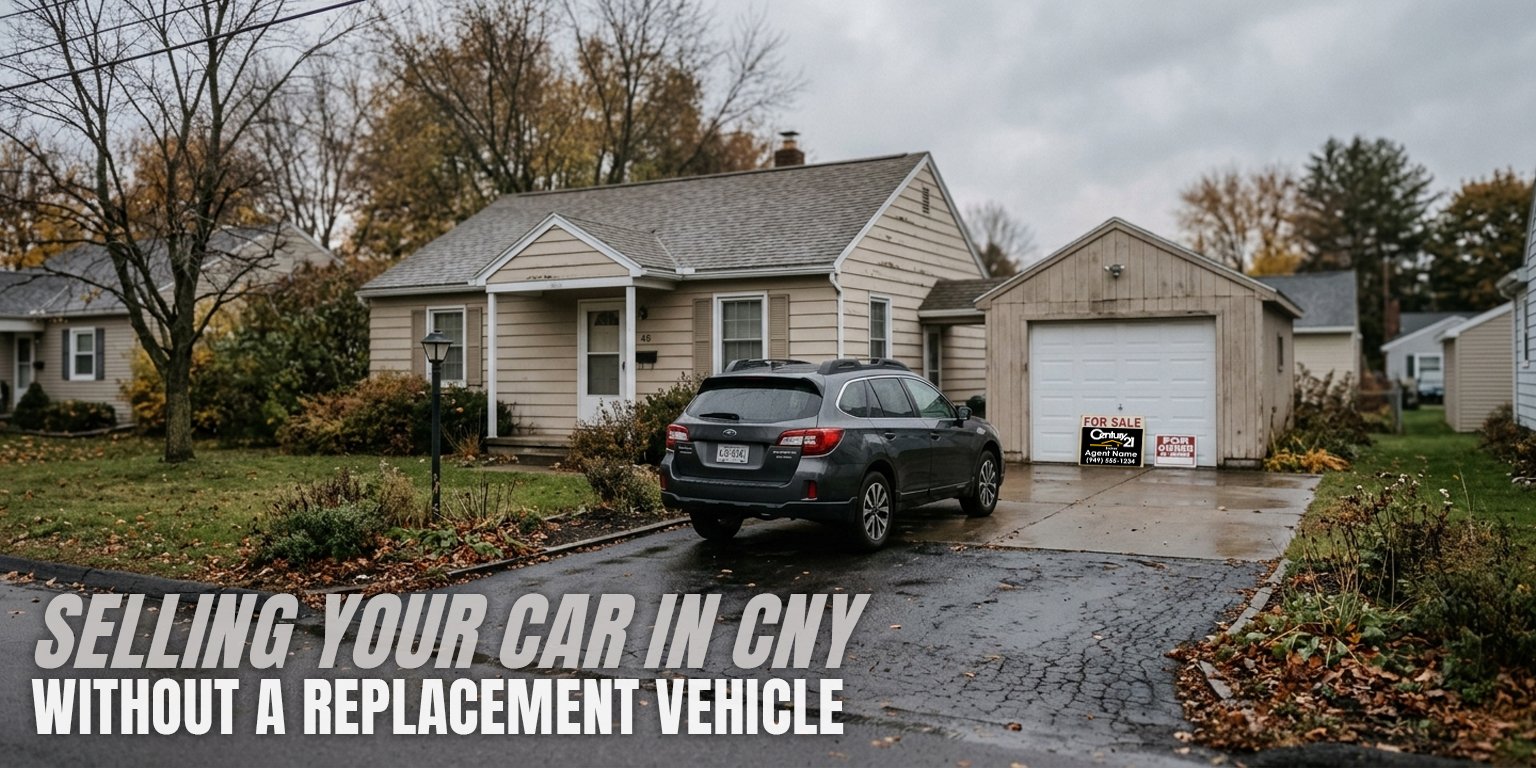

You've just sold your trusty old car in Central New York, and as you clean out the glove compartment, you spot the license plates. Keeping them as a memento feels harmless, but that small choice can lead to daily fines, a suspended license, and weeks of frustration with the New York State DMV.
Many CNY drivers don't realize how tightly the state ties license plates to active insurance coverage, and that confusion can turn a routine vehicle sale into a costly headache.
At the Horan insurance agency, we work with several carriers across Central New York, which gives us a wide view of how the plate-surrender process plays out for drivers in Baldwinsville, Syracuse, Liverpool, Cicero, and the surrounding area. We can share what we've seen so you can make a clear-eyed decision when it's time to part with a vehicle.
In this article, we'll cover why holding onto your car's plates can become expensive quickly, the legal framework behind New York's plate-and-insurance rules, and the steps CNY drivers can take after selling or trading in a vehicle.
The Temptation to Keep Your Car's License Plates in Central New York
Picture this: You've just sold your car in Baldwinsville. The keys are gone, but those familiar license plates are still in your hands. They've been with you through many Upstate New York winters and summer road trips. It's tempting to keep them as a souvenir.
But that small decision to hang onto your old vehicle's plates could lead to big problems.
What You’re Risking by Keeping Your Vehicle's Plates
You might think keeping your car's plates is harmless, but the New York State Department of Motor Vehicles (DMV) sees it differently. Here's what you're risking:
 Daily Fines That Add Up Fast
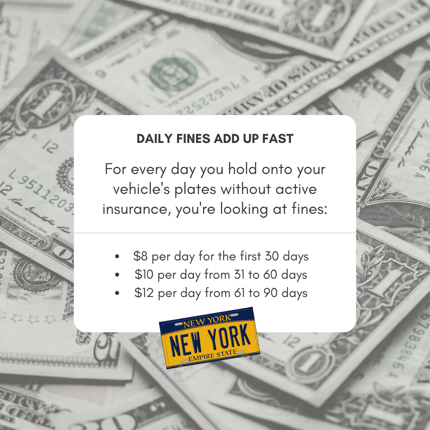
For every day you hold onto your vehicle's plates without active insurance, you're looking at fines:
- $8 per day for the first 30 days
- $10 per day from 31 to 60 days
- $12 per day from 61 to 90 days
Let's put that in perspective. If you keep your car's plates for just two months, you're facing a fine of up to $540. That's enough to make anyone in Central New York think twice.
The 91-Day Danger Zone: License Suspension
The fines, however, are only the beginning of potential consequences. After 91 days, the DMV can suspend your license. Another important consideration is that paying the fines after this point doesn't always result in your license being reinstated, especially if you've had similar lapses in the past 36 months.
For many CNY drivers, this could mean a major disruption to your daily life. Suddenly, that commute to work becomes a lot more complicated.
The Legal Maze: Why New York State Cares About Your Vehicle's Plates
You might wonder why the state cares so much about a couple of metal car plates. It's not about the plates themselves—it's about what they represent.
The Critical Link Between License Plates and Insurance Coverage
In New York, vehicle license plates are tied to insurance coverage. The DMV assumes that if you've got the plates, you've got a car to put them on. And if you've got a car, you need insurance.
This system aims to discourage drivers from canceling their insurance while still having a vehicle on the road. It's a safeguard meant to help reduce the number of uninsured vehicles on Central New York roads.
The Insurance Reporting Requirement
Here's something many Central New York drivers don't realize: insurance companies are required to report to the DMV when coverage on a vehicle ends. This means the DMV typically knows when your car becomes uninsured, which can trigger those daily fines.
The Policy Cancellation Catch-22
Canceling your policy while retaining your vehicle plates is not a viable workaround. Insurance companies in New York can't cancel your policy without proof that you've surrendered your car's plates to the DMV. It's a tightly controlled system designed to help keep uninsured vehicles off the roads.
Handling Private Car Sales in Central New York
Selling your car privately? Here's what you need to know about vehicle plates and insurance:
Transitional Insurance Coverage During Private Vehicle Sales
If you sell your car but keep the plates, your insurance policy may continue to cover the sold car until the new owner registers it. This could leave you paying for coverage on a car you no longer own.
Strategic Insurance Adjustments for Vehicle Sellers
To help reduce overpayment, consider:
- Dropping optional coverages like comprehensive and collision on the sold vehicle
- Keeping only the minimum required coverage until you transfer the plates to your new car
Just remember to reinstate suitable coverage when you get your new vehicle on the road.

A Potential Loophole (But Proceed with Caution)
If you've only held onto your car's plates for a short time — say, 10 days — there might be a way to avoid those fines. You could go to the DMV, turn in both your vehicle's plates and your registration for those 10 days. The DMV might waive the fines if you're willing to give up that registration time.
But be warned: this isn't a certain fix, and it's typically better to turn in your vehicle's plates promptly when you sell or trade in your car.
Smart Alternatives for Central New York Drivers
So, what should you do when it's time to part with your vehicle? Here are some options to consider:
- Turn in Your Vehicle's Plates Promptly: As soon as you sell or trade in your car, head to your local DMV office. Turn in those plates and get an FS-6T form (plate surrender receipt).
- Notify Your Insurance Representative: Once you've got that receipt, call your licensed agent right away. We can remove the car from your policy, often retroactively to the date you surrendered the plates.
- Keep Your Policy Active Between Cars: If you're selling one car and buying another, you can keep your vehicle plates and policy active. Just be sure to adjust your coverage options to save money in the interim.
Stay Ahead of Vehicle Plate Pitfalls in Central New York
We covered why those familiar metal plates carry more weight than they appear to, from daily DMV fines to the 91-day suspension threshold, and we walked through how a quick trip to the DMV with an FS-6T form can spare you weeks of frustration.
Drivers who act quickly after a sale or trade-in can keep their records clean, hold onto their driving privileges, and avoid bills that pile up faster than a Tug Hill snowstorm. Drivers who put it off may find themselves paying for coverage on a car they no longer own, fielding suspension notices, or scrambling to sort out paperwork they didn't expect to deal with.
At the Horan insurance agency, we want to be a steady resource for CNY drivers who'd rather avoid those headaches. As an independent agency working with several carriers, we can talk through your situation and share what we've seen work for drivers across Onondaga County and beyond — giving you composure and confidence as you move from one vehicle to the next.
Click the Get a Quote button below to start a conversation with one of our licensed insurance agents about coverage options that fit where you are right now.

Topics: