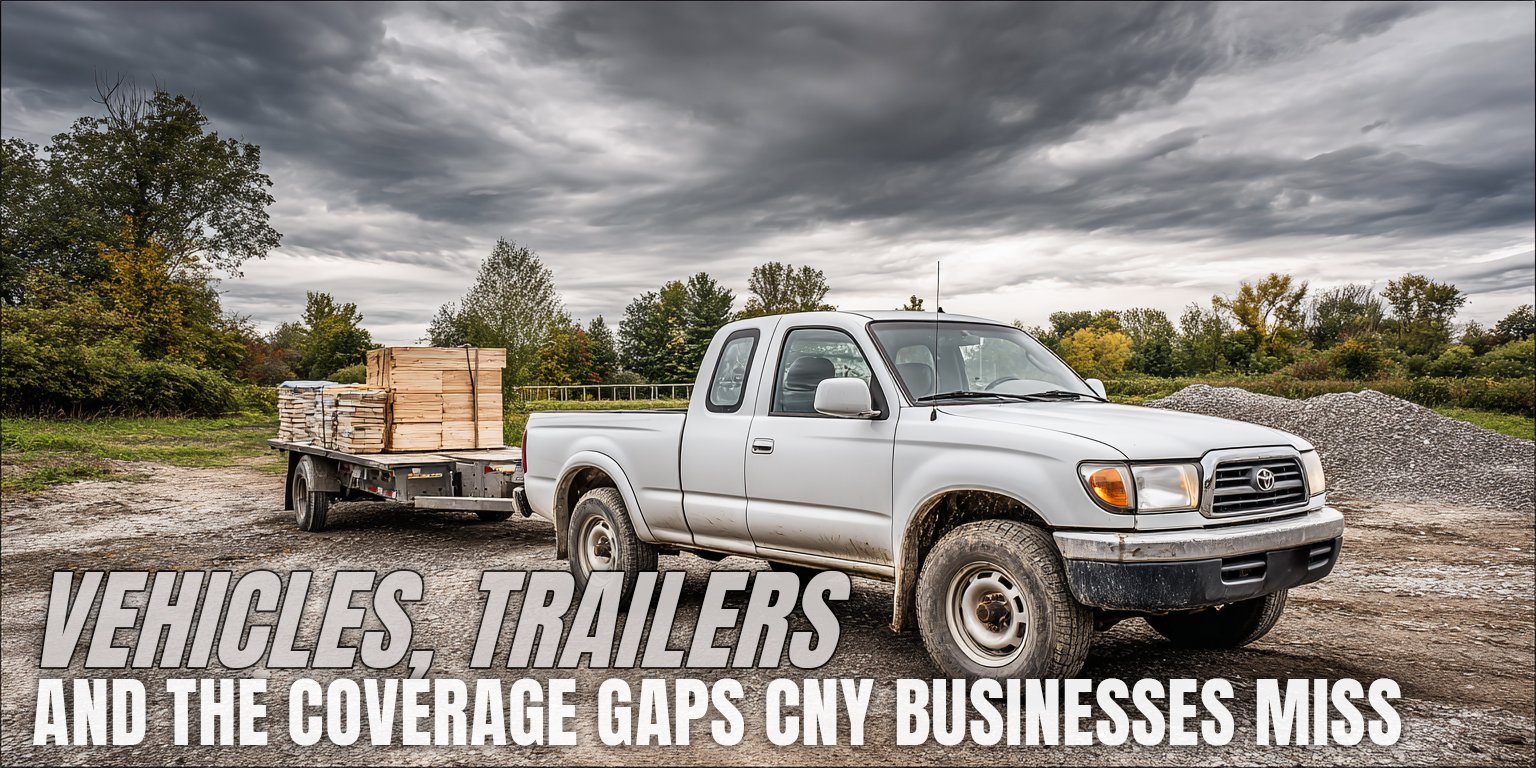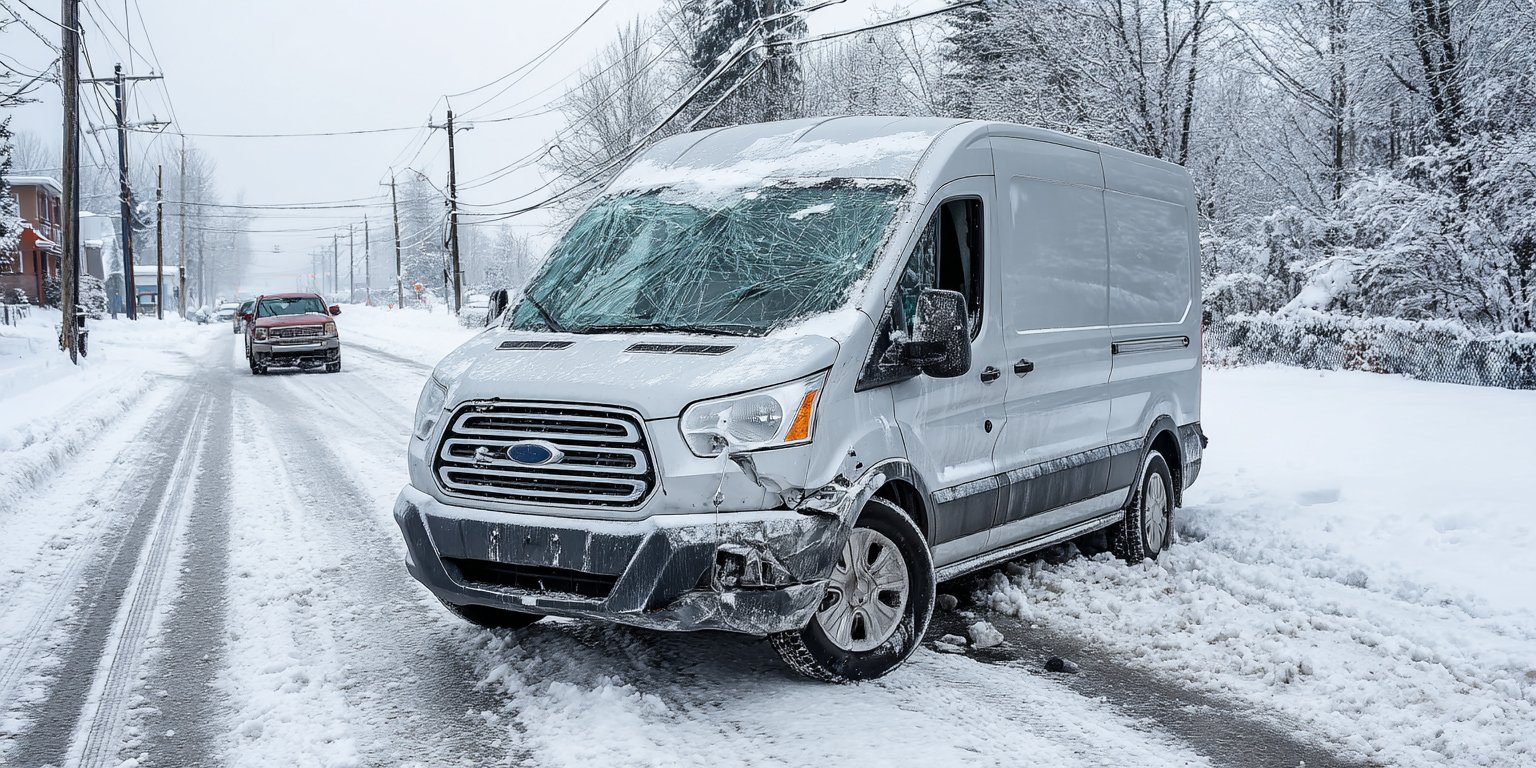
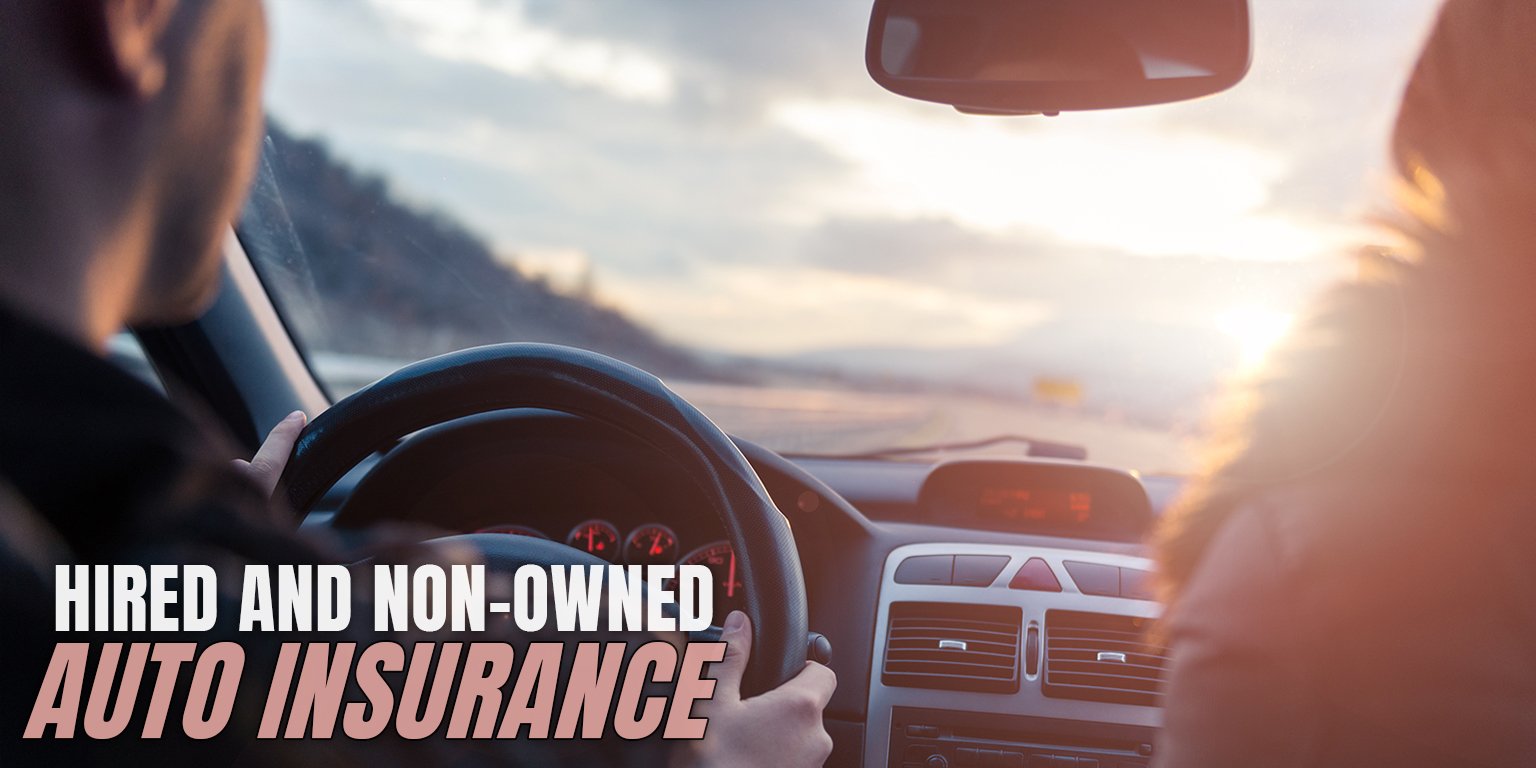
Your employee drives to a client meeting in Fayetteville. On the way back, they rear-end another vehicle at a red light. The other driver is injured. Your employee has personal auto insurance — but the claim gets denied because they were on a work errand. Now the injured driver's attorney is looking at your business.
This scenario catches many CNY business owners off guard, and it's more common than you might think. Personal auto policies are designed for personal use. When an employee uses their own vehicle for work purposes, that coverage may not follow them — and it almost certainly doesn't follow your business.
At the Horan insurance agency, we work with businesses throughout Central New York to help them understand coverage gaps they may not know exist. Hired and non-owned auto insurance is one of the most frequently overlooked areas — and one of the most consequential.
In this article, we'll cover what hired and non-owned auto insurance is, why it matters for CNY businesses, which business types face the most exposure, and how this coverage is typically structured.
When Personal Auto Insurance Stops and Business Liability Begins

Most employees who drive their own vehicles to run work errands assume one of two things: either their personal auto policy covers them regardless, or the company's insurance picks up the slack. Neither assumption is reliable.
A personal auto policy generally excludes coverage for accidents that occur while the vehicle is being used for business purposes — particularly if the insured is acting in the capacity of an employee or running tasks on behalf of an employer.
The exact language varies by policy and carrier, but the exclusion is common enough that it creates a genuine exposure for any business that relies on employee-owned vehicles.
What "Non-Owned" and "Hired" Mean in Insurance Terms
In insurance language, a "non-owned" vehicle is one that the business doesn't own, lease, or register — but that's used in connection with the business. This includes an employee's personal car, a rented vehicle an employee uses for a business trip, or even a vehicle owned by a family member that an employee uses occasionally for work.
"Hired" vehicles refer to cars or trucks that the business rents or borrows — typically short-term rentals used when employees travel for work. Both categories can leave a business exposed if the right coverage isn't in place.
CNY Business Types That Face the Most Hired and Non-Owned Auto Exposure
Hired and non-owned auto coverage isn't just a concern for companies with large fleets or delivery operations. Some of the businesses most exposed to this gap are small and mid-sized operations that don't think of themselves as having any vehicle-related risk at all.
The following types of businesses in Central New York commonly face this exposure:
- Restaurants and food service operations that send staff to pick up supplies, make bank deposits, or handle vendor deliveries
- Nonprofits whose staff or volunteers use personal vehicles for programs, outreach, or client transport
- Consultants and professionals who drive to client sites, attend off-site meetings, or visit vendors
- Real estate agents who spend a significant portion of their working hours driving to and from showings, inspections, and closings
- Any business that reimburses employees for mileage — because mileage reimbursement is often treated as evidence that the employee was acting on behalf of the employer at the time of an accident
If your business falls into any of these categories, the question isn't whether the exposure exists — it's whether you have coverage in place to address it.
A Hypothetical Scenario Worth Considering
Imagine a small nonprofit based in Onondaga County that coordinates meal deliveries to elderly residents. One afternoon, a staff member uses her own car to drop off a delivery and is involved in an at-fault accident.
Her personal auto insurer investigates and determines she was performing work duties at the time of the loss. The claim is denied under the business use exclusion in her policy.
The injured third party then files a claim against the nonprofit. The nonprofit has general liability coverage, but general liability doesn't cover auto-related liability. This kind of situation illustrates why understanding your coverage before an incident occurs matters — not after.
How Hired and Non-Owned Auto Coverage Is Typically Structured

This coverage isn't usually a standalone policy. It's most often added to a business owners policy (BOP) or commercial auto policy as an endorsement or separate coverage component.
Here's how each form generally works:
- Non-owned auto liability covers liability arising from employee-owned vehicles used for business purposes. It responds on behalf of the employer — not the employee — when the business faces a claim resulting from such an accident.
- Hired auto liability covers liability arising from vehicles the business rents or borrows for business use, in situations where the rental agreement doesn't provide adequate coverage or the business doesn't already have a commercial auto policy that applies.
It's worth noting that hired and non-owned auto is a liability-only coverage. It doesn't cover physical damage to the employee's vehicle or the rented vehicle itself. Physical damage to a hired vehicle may require a separate hired auto physical damage endorsement.
The limits available and the specific terms of coverage vary by carrier and policy form. Discussing your business's vehicle use patterns with a licensed agent can help clarify what options may be available to you.

Which Businesses in CNY May Already Have Some Coverage — and Which May Not
If your business has a commercial auto policy that covers company-owned vehicles, it may already include some form of hired and non-owned auto coverage — or your carrier may offer it as an addition.
However, many small businesses in Central New York operate without any commercial auto policy at all, particularly if they don't own business vehicles. Those operations are the ones most likely to have a gap in this area.
A BOP with a hired and non-owned auto endorsement is one option worth exploring with a licensed agent, though coverage availability and terms depend on the specific carrier and the nature of the business.
Addressing the Exposure Before an Accident Forces the Conversation
For CNY business owners, the more useful conversation happens before any incident. Review whether your employees use personal vehicles for work purposes. Consider whether you reimburse mileage.
Think about whether any of your operations involve renting vehicles for business travel. If the answer to any of these is yes, hired and non-owned auto coverage is worth a conversation with a licensed agent.
The Horan insurance agency works with business owners throughout Central New York — from Baldwinsville to Cazenovia to Cicero — to help them understand coverage questions like these. We work with several carriers to help businesses explore options that fit their operations and their coverage requirements.
Click the Get a Quote button below to start a conversation about your business's auto liability exposure.

Topics: