
Running a family-style restaurant in Central New York means you juggle a packed dining room, a hot kitchen, and a fast-moving team. You want workers comp coverage that’s suitable for your restaurant, but insurance terms can feel confusing. You don’t want to make an uninformed decision.
Your biggest worry may not be the risk to your business. It may be buying a policy that isn’t quite suitable for your situation. That’s where Horan insurance agency comes in. Since 2011, we’ve worked as an independent agency with multiple carriers, which gives us an informed perspective that others may not have.
In this article, we’ll walk through common injury scenarios in family-style restaurants, from kitchen burns and knife cuts to server spills and parking lot falls. We’ll explain how a workers comp policy may respond in each case, so you can talk with a licensed agent about suitable coverage for your restaurant.
Common Kitchen Accident Scenarios and How to Handle Them
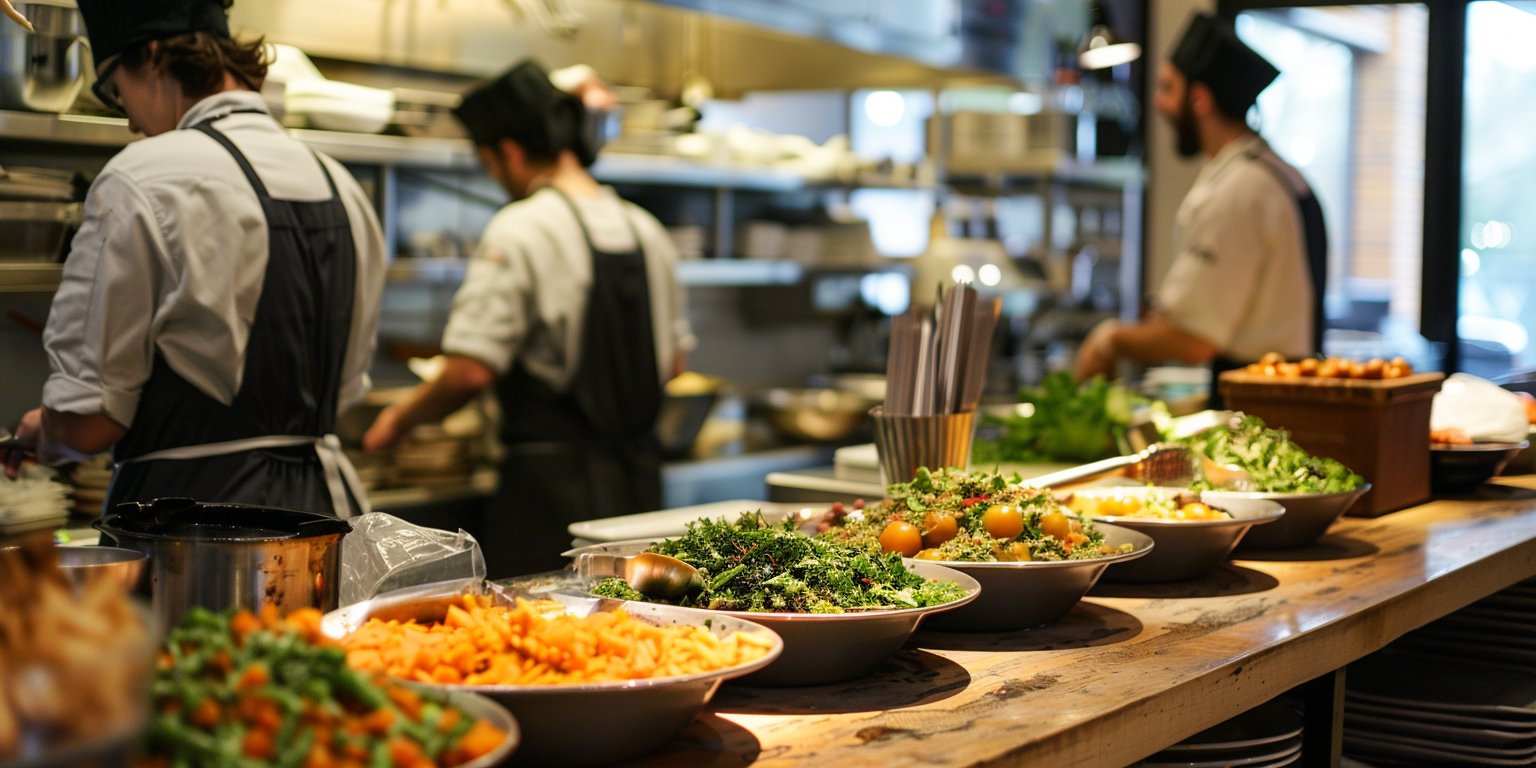
In a bustling family-style restaurant, the kitchen is the heart of the operation, humming with activity to keep a steady stream of customers moving through the dining room. The faster the tables turn over, the more opportunities you have to maximize revenue. However, in the rush to maintain consistency and speed, accidents can happen.
 When the Rush Leads to Serious Burns
Say you have a thriving family-style restaurant in Cicero. But on one busy summer night, one of your cooks reaches for something on the back burner and catches their forearm on the front burner. They suffer painful second-degree burns on their forearm.
While it’s not life-threatening, it could take them out of work for the next day or so, if not longer. As the business owner, do you know how to respond?
Many cooks are used to getting minor burns now and then, so they may want to tough it out and keep working. But it's crucial to remember that their safety and well-being should always come before the speed of the kitchen.
 The Importance of Having a Plan and Suitable Coverage
Many employers take a few steps after an accident like this. They remove the injured cook from the line, start an accident report, and make sure the cook can get medical attention. Depending on the situation, the injury may become a workers comp claim, and your licensed agent or carrier can explain the reporting steps that apply. If the cook can’t work for an extended period, a workers comp policy may provide wage replacement benefits, subject to its terms, conditions, and exclusions and to New York law.
This type of scenario can easily happen to anyone working in a kitchen environment. That’s why it’s essential for restaurant owners to have a clear plan in place for handling workplace accidents and injuries.
By prioritizing employee safety and being prepared with suitable workers comp coverage, you can support both your valued staff members and your business as a whole if an accident happens.
Navigating the Constant Motion and Potential Hazards in a Busy Kitchen
In a family-style restaurant, the kitchen staff is always on the move. From sharp knives to hot plates and tight corners, the potential for accidents is ever-present.
 The Daily Risks of Knife Injuries
Imagine a scenario where a line cook is quickly chopping onions to keep up with the steady stream of orders. In their haste, they lose focus for just a moment, and the razor-sharp knife slips, slicing deep into their finger.
Blood immediately begins to flow, and the cook is unable to continue working. They may require stitches or even surgery, depending on the severity of the cut.
This type of knife injury is all too common in busy restaurant kitchens, where staff are working quickly to prepare dishes and meet the demands of a hungry crowd. Even experienced cooks can fall victim to such accidents when they're under pressure to perform.
This is just one example of the many daily hazards kitchen staff face.
While dramatic incidents like someone getting accidentally locked in the freezer are rare, it's the near misses that occur constantly that pose the most significant risk.
A knife slice coming within an inch of someone's hand or a narrowly avoided slip and fall—these are the types of incidents that happen frequently in the fast-paced environment of a family-style restaurant kitchen.
Addressing Both Acute and Chronic Injuries Among Serving Staff
Servers in a family-style restaurant are constantly on the move, carrying heavy trays and navigating through the dining area. While acute injuries like collisions or slips and falls can happen in the blink of an eye, it's important not to overlook the potential for chronic injuries that develop over time.
Repetitive Strain Injuries Like Carpal Tunnel
One common example is carpal tunnel syndrome, which can result from the repetitive motion and strain of holding serving trays for extended periods. Even if a server has a pre-existing predisposition to carpal tunnel, the demands of their job can exacerbate the condition or cause it to flare up, preventing them from being able to work.
It's crucial for restaurant owners to understand that if a server develops carpal tunnel syndrome or another chronic injury due to their work duties, it can still qualify as a workers compensation claim.
If the employee came into the job without any complaints or issues, but develops a work-related condition after several years on the job, the employer may still need to report the condition and work through the claim process, depending on the facts and New York law.
Being Prepared for Both Acute and Chronic Injuries
In addition to these long-term, progressive injuries, servers also face the risk of sudden accidents like colliding with a coworker and falling to the ground. Restaurant owners must be prepared to handle both types of scenarios—the acute incidents that occur in a split second and the chronic conditions that develop over months or years of repetitive job duties.
By understanding many types of potential injuries and having suitable workers comp coverage in place, restaurant owners can be better prepared to support their servers and create a safer work environment overall.
The Risks of Serving Hot Food in a Fast-Paced Environment
In addition to chronic injuries like carpal tunnel syndrome, servers in a family-style restaurant also face the daily risk of accidents involving hot food and beverages. One of the first things you learn when working in a typical CNY restaurant kitchen is to call out “Behind!” or “Corner!” when walking behind someone or approaching a blind spot.
However, even with these precautions, accidents can still happen.
In the rush to turn tables and keep customers satisfied, servers are often moving quickly while carrying trays laden with piping hot dishes.
When Accidental Spills Lead to Serious Burns
Picture a server navigating through the dining room with a tray full of steaming entrees and sides. Suddenly, they accidentally bump into another staff member or patron. Or perhaps a child jumps up from their chair unexpectedly, turning to run to the restroom and colliding with the server in the process.
 In either scenario, the server could easily lose control of the tray, spilling scalding hot soup or other dishes onto themselves.
The result? Painful burns on the server's hands, arms, or even torso, depending on where the food lands. These types of accidents can happen in the blink of an eye, and they're a constant risk for servers in a busy restaurant setting.
Minimizing Risks and Reviewing Coverage
Restaurant owners need to be aware of these potential hazards and take steps to minimize the risk of such accidents occurring. This might include implementing safety protocols for carrying hot trays, designing the dining room layout to allow for easier navigation, or providing staff with protective gear like heat-resistant gloves.
Despite precautions, accidents can still happen. That’s why it’s so important for restaurant owners to have suitable workers comp coverage in place. Owners who review their coverage with a licensed agent can support their servers after a work-related injury and help manage the financial impact of such incidents on their business.
When Employees Get Hurt After They Clock Out
While the risks faced by kitchen staff and servers are more apparent, it's also important to consider the potential for injuries to occur even after employees have clocked out for the day. When discussing workers compensation coverage, it's essential to consider a scenario that may not be as commonly addressed in articles like this one.
Let's say it's the end of the night at your Baldwinsville family-style restaurant, and the last few employees are wrapping up their shifts. They've cleaned and locked up, and now they're heading out to the parking lot to go home.
As they step outside, they notice the parking lot is darker than usual. Perhaps the lights didn't come on properly or there's been a power outage. Regardless of the reason, the visibility is poor. Suddenly, one of your employees trips and falls off the curb, hitting their head hard on the pavement.
It’s worth understanding that an incident like this may still lead to a workers comp claim, even though the employee had clocked out for the night. Whether a workers comp policy responds can depend on the facts, such as where the injury happened and what the employee was doing, so a licensed agent or your carrier can explain how a specific situation may apply.
When Work-Related Tasks Outside the Restaurant May Lead to a Claim
Similar questions can come up if a returning employee, who ran an errand, slips and falls on an icy patch in the parking lot after a snowstorm. They can also come up if your night manager, who is carrying the bank deposit, gets injured while walking to their car.
These employees are still performing duties related to their job, and therefore, any injuries sustained during this time would likely be eligible for workers compensation.
As a restaurant owner, you can review with a licensed agent how a workers comp policy may respond not only while your employees are working but also as they leave the workplace and head home.
By maintaining suitable workers comp coverage and understanding what your policy may and may not cover, you can support your staff and help manage the cost of work-related injuries.

Review Your Restaurant’s Workers Comp Coverage Before an Accident Happens
You work long hours to keep your dining room full and your kitchen moving, and an injury can interrupt both in seconds. We covered how a burn, a cut, a spill, or a fall in the parking lot may lead to a workers comp claim. Reviewing your coverage before an accident happens may give you composure and stability if one does.
If you wait, you may face questions about your policy while you’re also caring for an injured team member. That’s a hard time to make decisions. As an independent agency that works with multiple carriers, we offer an informed perspective that others may not have. We’d like to be a resource and an advocate as you review your options, and we’ll work to help you find a balance of coverage and cost for your restaurant.
Click the Get a Quote button below to start a conversation with a licensed agent about suitable coverage for your restaurant.