
Running a products-based business in Central New York comes with real concerns about liability exposure. What happens if a product malfunctions? How do you address claims when selling items manufactured overseas? These questions keep many business owners up at night, especially when insurance coverage feels uncertain or complicated.
At Horan insurance agency, we work with Central New York businesses to explore product liability coverage options. As an independent agency, we can compare policies from multiple carriers to help you find coverage that addresses your situation. Our experience with local manufacturers, distributors, and retailers gives us insight into the coverage considerations specific to Central New York operations.
This article examines how product liability works, the challenges distributors face with imported goods, why certain industries encounter coverage difficulties, and what the Amazon landmark case means for online sellers. We'll also discuss practical steps you can take as you evaluate coverage for your business.
Understanding Product Liability Insurance
When you’re running a business, you’re responsible for the products you sell. That’s where product liability insurance comes into play. It’s a segment of general liability insurance that specifically covers your products and completed operations. While many focus on the latter, it’s crucial to understand both aspects.
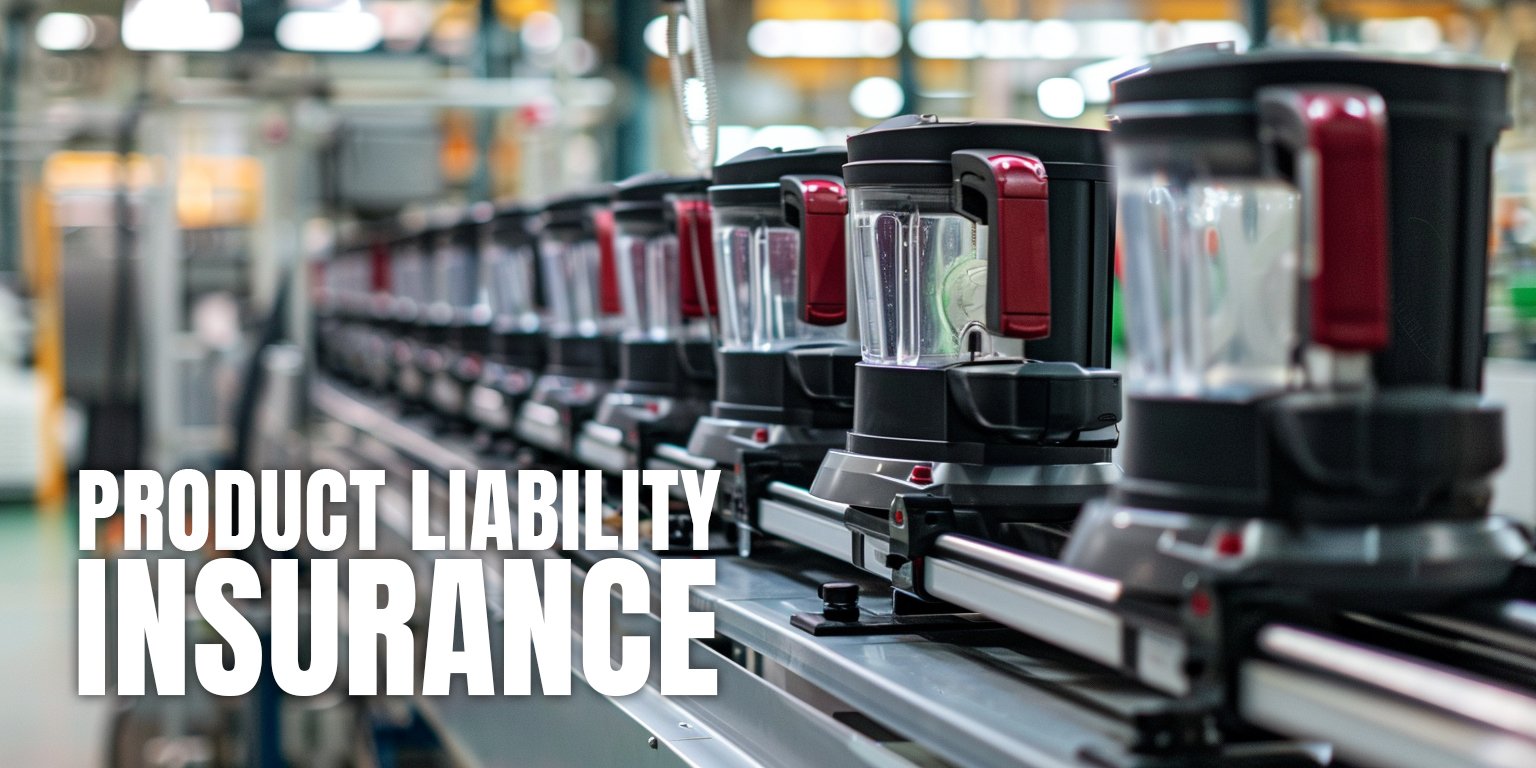
Imagine you own a Pulaski company that manufactures kitchen blenders. You’ve designed a new model that’s sleek, powerful, and comes with an innovative feature—a detachable blade for easy cleaning. You’re confident it’ll be a hit in the market.
But mere weeks after release, a customer reports that while she was making a smoothie, the blade detached unexpectedly, causing injury. This incident is a classic case of product liability.
Despite the innovative design, if the product poses a risk to consumers due to a design flaw or malfunction, the manufacturer may face liability claims.
Product liability isn't just about immediate cause and effect. It's about foreseeing potential risks and considering product design with safety as paramount. It's also about how you communicate those risks and instructions to your consumers.
The Challenges of Product Liability for Distributors
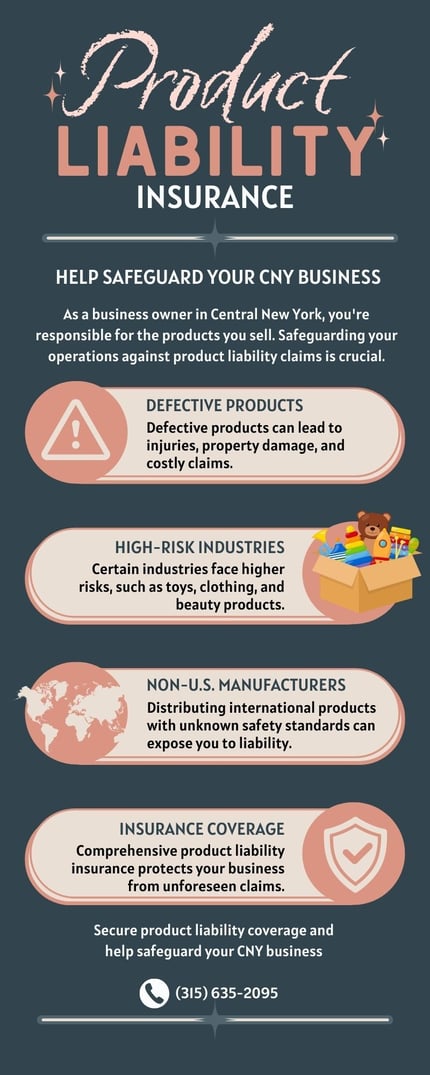
As a distributor, you're the bridge between manufacturers and consumers. You don't make the products, but you do sell them. This means you may inherit potential liability from the original manufacturer.
If you're distributing parts for heavy machinery, like safety components designed to shut off the machine in certain situations, you're relying on those parts to function as designed.
When these parts come from abroad—let's say Italy—you're dealing with products manufactured under different regulations, outside of U.S. jurisdiction. This raises concerns for insurance carriers. They're hesitant to cover products made offshore because they can't verify the safety standards or manufacturing processes.
Insurance carriers often exclude or deny coverage for products and completed operations tied to these international goods. It doesn’t matter if they’re from Mexico, China, or Italy. The risk is deemed too high, leaving you, the distributor, in a vulnerable position should a product fail and cause harm.
High-Risk Industries and Insurance Hurdles
Product liability insurance serves as financial coverage for businesses when products may cause harm. Coverage helps address both business and consumer concerns when a product causes injury or damage. This coverage becomes particularly important for businesses that produce items with inherent risks, such as toys and clothing.
Toys and clothing manufacturers often face significant challenges in securing product liability insurance. The risks are tangible:
- a child could choke on a small part of a toy, or
- a consumer could suffer an allergic reaction to a clothing dye.
These scenarios can lead to substantial harm, making insurers cautious.
The beauty industry also grapples with these issues. Makeup manufacturers must consider the potential for skin irritation or allergic reactions. Large companies may have the resources to self-insure or secure coverage through specialized markets like Lloyd’s of London, but smaller entities might struggle.
Amazon and Product Liability: A Landmark Case
In the realm of online retail, Amazon stands as a giant, offering a platform for countless third-party sellers. A landmark case, Erie Insurance Co. v. Amazon.com, highlighted the complexities of product liability in this modern marketplace.
The case involved a headlamp sold on Amazon that malfunctioned, leading to a fire and significant property damage. Erie Insurance, covering the property, paid the claim and sought to recover the costs from Amazon. The legal battle that ensued centered on whether Amazon could be held liable for products sold on its platform.
The Verdict and Its Implications
The court ultimately decided that Amazon was not the “seller” of the headlamp and, therefore, not liable under Maryland law for the product’s defective condition. This ruling set a precedent, significantly impacting how liability is assigned in the e-commerce space.
Considering Coverage for Your Products
This case underscores the importance of considering product liability insurance for your products. As a manufacturer or seller, it's worth evaluating whether your insurance portfolio includes coverage for the items you create and sell. Coverage decisions affect both your financial planning and your ability to address potential claims.
How to Evaluate Product Liability Coverage for Your CNY Business
Product liability remains a concern for manufacturers, distributors, and retailers throughout Central New York. While you can't eliminate all risks, you can take steps to better understand your exposure and explore coverage options that may help address potential claims.
Working with a local independent agency gives you access to multiple carriers and coverage approaches. At Horan insurance agency, we can discuss your specific products, distribution channels, and business model to help you explore policies that may address your situation.
Whether you manufacture locally, distribute imported goods, or sell online, understanding your coverage options helps you make informed decisions about your business insurance.
Overlooking product liability coverage can leave your business exposed to claims that may not be covered under your general liability policy. Taking time now to review your coverage with a licensed agent can help you identify potential gaps and explore options for addressing them.
Click the Get a Quote button below to discuss product liability coverage options for your Central New York business.