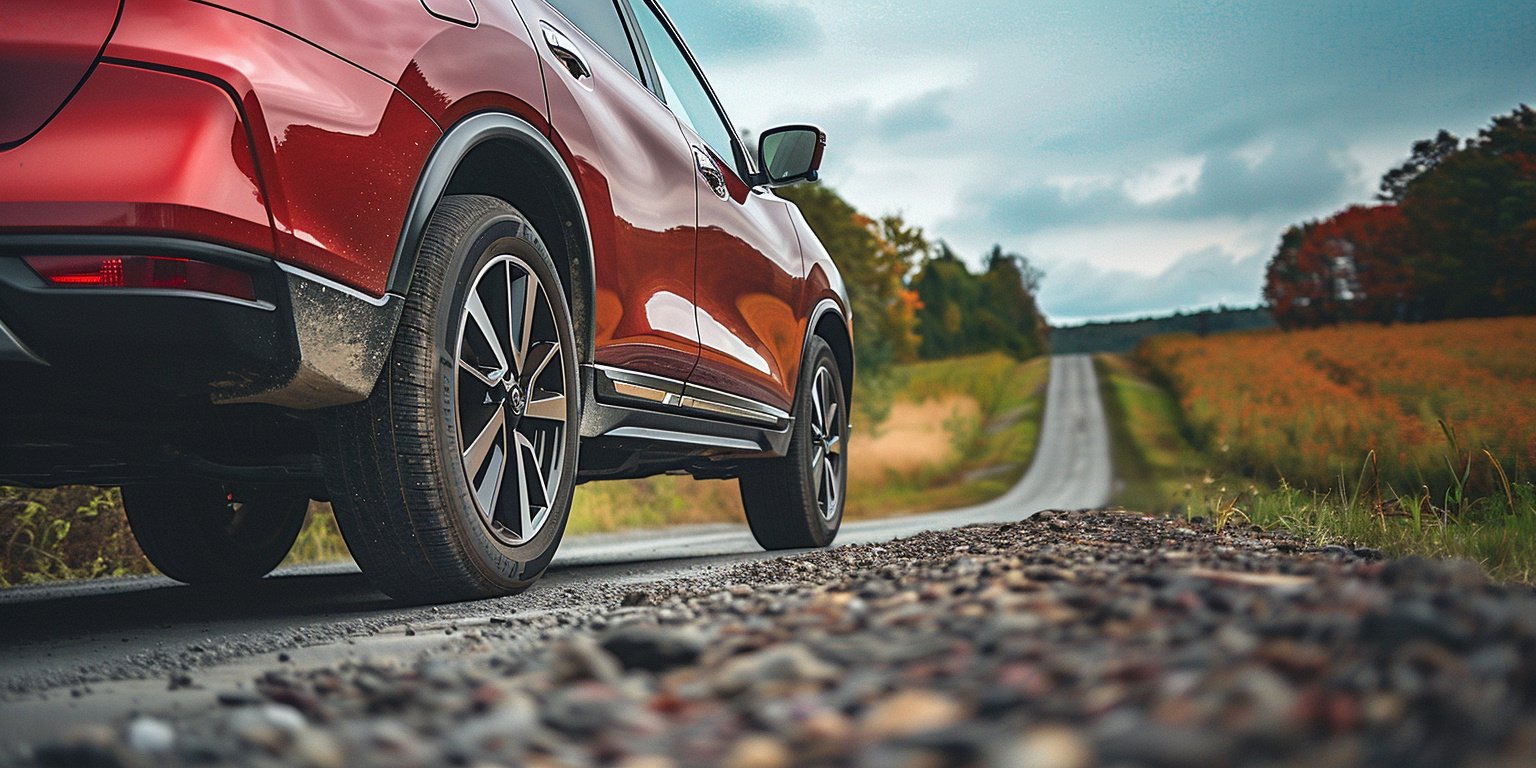

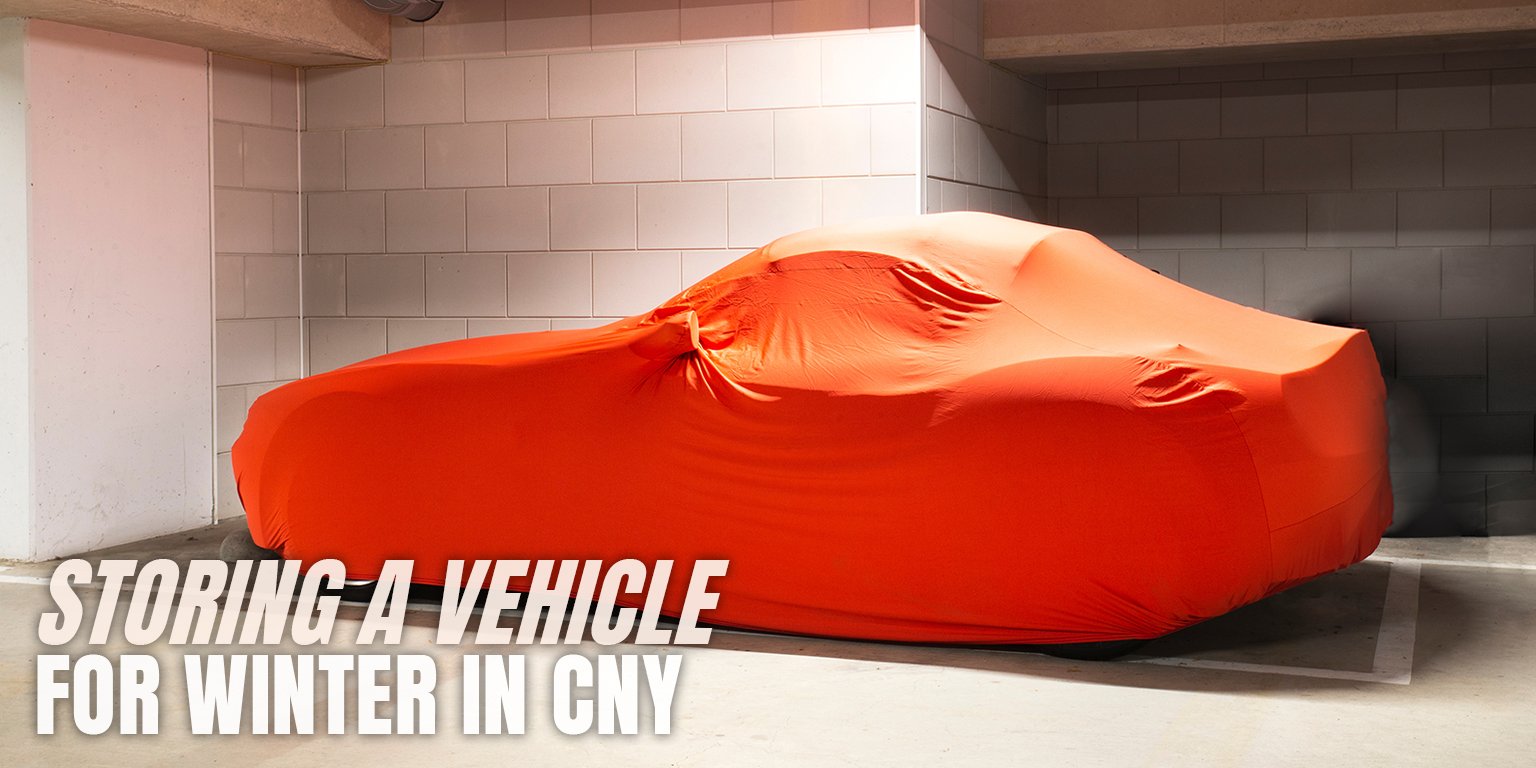
Winter in Central New York arrives with a kind of conviction. Whether you're tucking away a classic car, a motorcycle, a boat trailer, or a second vehicle you simply don't drive from November through March, the question of what to do with your auto insurance during that time deserves more attention than most vehicle owners give it.
Dropping coverage to save money sounds reasonable. But the decision is more nuanced than it appears — and getting it wrong can cost you far more than the premiums you skipped.
At the Horan insurance agency, we work with vehicle owners across Central New York who face this question every fall. We can walk through your specific situation and help you weigh the options.
The Coverage Decision Isn't Simply On or Off
When a vehicle sits in a garage or storage facility through the winter months, many owners assume they can suspend or cancel their policy and start fresh in the spring. In New York State, that approach carries real risks that have nothing to do with accidents.
New York State Ties Insurance to Registration
New York law ties insurance to vehicle registration. Under New York Vehicle and Traffic Law, you cannot legally register a vehicle without liability insurance — and you cannot cancel that insurance while active plates remain on the vehicle. Carriers are required to notify the New York State Department of Motor Vehicles when a policy lapses, so the state does track this.
If you cancel your insurance without first surrendering your plates to the DMV, you can face fines, a license suspension, and a mandatory gap surcharge on future policies. Beyond those penalties, a lapse in coverage shows up in your insurance history.
Future carriers may disqualify you from continuous coverage discounts and move you into a higher-priced rating tier — even if the lapse was intentional and brief.
What Surrendering Plates Actually Involves

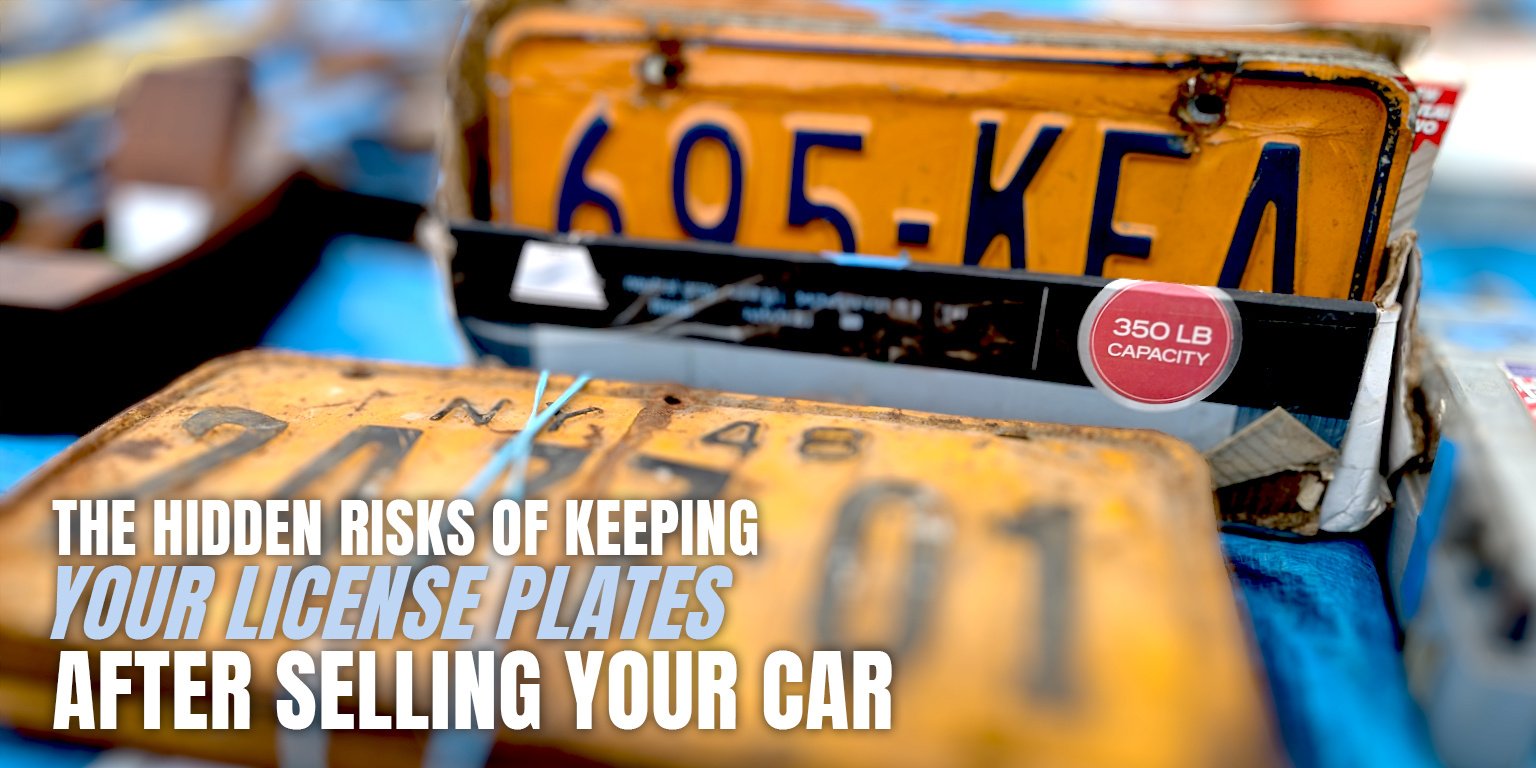
If you won't drive the vehicle at all over winter and want to reduce costs, surrendering your plates is the legitimate path under New York law. The process involves returning the plates to a DMV office or by mail and obtaining a plate surrender receipt (Form FS-6), then notifying your insurer of the cancellation.
In spring, you'll need to re-register and re-insure before the vehicle goes back on the road. For a deeper look at how the plate surrender process works, see our article How to Remove a Vehicle from Your Auto Insurance Policy in Central New York.
This approach makes more sense for a seasonal vehicle that will sit untouched for many months. But it's worth thinking through what you give up in the meantime.
What You Lose When You Drop All Coverage
Even a parked vehicle faces risks. A car stored in a garage in Baldwinsville or a barn in Cazenovia is still subject to fire, theft, vandalism, falling objects such as ice or tree limbs, and water or structural damage from a roof collapse. These are the kinds of losses that fall under comprehensive coverage — the portion of your auto policy that covers damage unrelated to a collision.
To understand what comprehensive coverage does and doesn't address, and how it differs from collision coverage, that article is worth a read before making any changes to your policy.
Consider this hypothetical: a vehicle owner stores a restored car each winter and removes all coverage to save money. If a garage fire damaged the vehicle in February, an insurance claim for that damage would likely not be available through the auto policy — despite the vehicle never leaving the property. That's a meaningful exposure for an asset that may have taken years and considerable expense to build.
Maintaining Comprehensive Coverage After Plate Surrender
Once you've surrendered your plates and canceled your registration, some carriers may allow you to maintain comprehensive coverage on the stored vehicle while removing liability, collision, and other coverages. For many vehicle owners, the cost of keeping comprehensive coverage on a stored vehicle is modest relative to the value it covers — making cancellation a less straightforward savings decision than it might first appear.
This arrangement — sometimes called a storage endorsement or reduced coverage option — varies by carrier, and not all of them offer it.
Some require a minimum level of coverage to keep the policy in force at all. If keeping some coverage on a stored, unregistered vehicle is a priority, that conversation needs to happen with your agent before you surrender the plates, not after.
Collision Coverage and Loan Considerations

If your vehicle has an outstanding loan or lease, your lender almost certainly requires you to maintain both comprehensive and collision coverage regardless of whether the vehicle is being driven. Removing collision coverage on a financed vehicle would likely put you in breach of your loan agreement.
Additionally, if you have GAP insurance on the vehicle, understand how a coverage lapse might affect that protection before making any changes.
What to Talk Through Before You Make a Change
Before adjusting coverage on any stored vehicle, it's worth asking:
- Is the vehicle still registered in New York State?
- Does the vehicle have an outstanding loan or lease with coverage requirements?
- Where will the vehicle be stored — and how secure is that location?
- What is the vehicle worth, and could you absorb the loss if something happened?
- Are there any other vehicles on the same policy that could be affected by changes?
Your answers shape the right path forward. There's no single answer that fits every situation, and a decision that works for someone storing an older pickup in a locked structure may look entirely different for someone storing a financed motorcycle in a shared storage unit.

A Note on Specialty and Classic Vehicles
Owners of classic or collector vehicles in Central New York may already carry a specialty policy through carriers that offer agreed-value or stated-value coverage designed around seasonal use. These policies often have built-in provisions for limited driving seasons and may handle the storage period differently than a standard personal auto policy.
If you carry this type of coverage, review the terms carefully before assuming your storage situation is automatically addressed. Our Horan Guide to Insuring Your Classic Car in Central New York covers the coverage landscape for collector vehicles in more depth.
The Horan insurance agency works with vehicle owners throughout Central New York to review their coverage options, including situations involving seasonal or stored vehicles. Click the Get a Quote button below to start a conversation about your vehicle and what coverage makes sense for your situation.

Topics: