
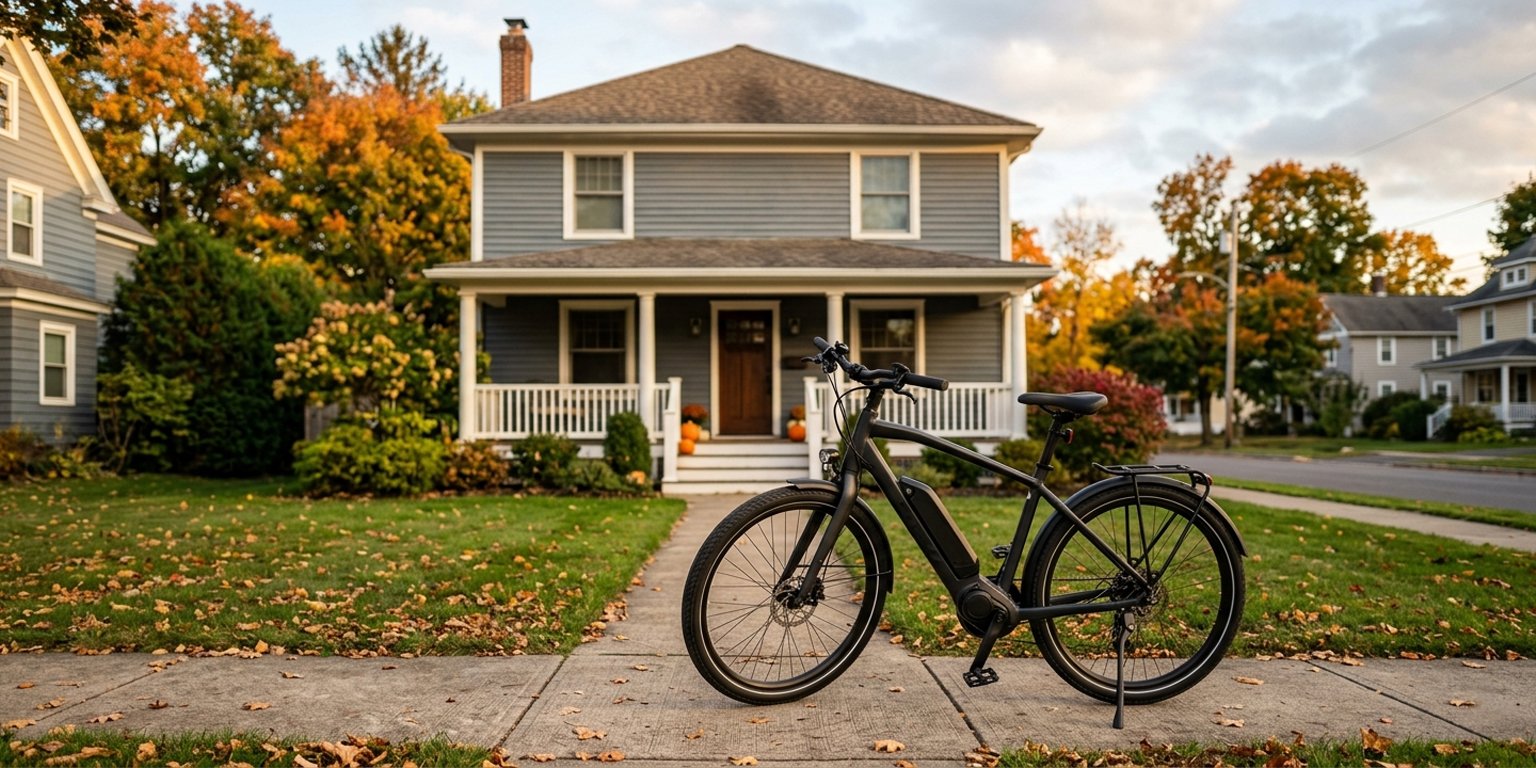
Buying an e-bike feels straightforward until something goes wrong. Your bike gets stolen from a trail parking area, or you're involved in an incident that leaves another person injured. At that point, most riders want to know whether their insurance responds — and many are surprised to find the answer isn't what they expected.
At the Horan insurance agency, we work with Central New York homeowners and renters who assume their existing policy covers more than it does. Because e-bikes introduce a motor into the personal property equation, carriers handle them differently than traditional bicycles — and the gap between assumption and actual policy language can be significant.
In this article, we'll look at why e-bike coverage doesn't follow the rules most riders expect, where liability exposure tends to be underestimated, and what questions are worth asking your licensed agent before you need to file a claim.
Why E-Bike Coverage Doesn't Work the Way People Expect
Most people assume their homeowners or renters policy works like a blanket for everything they own. In reality, personal property coverage applies subject to policy terms, conditions, and exclusions — and e-bikes create complications that standard bicycles don't. A traditional bicycle typically falls under personal property coverage. An e-bike introduces a motor, and that detail alone is enough to shift how some carriers classify it.
What Some Carriers Cover — and What They Don't
Coverage approaches vary across the market. Some carriers extend homeowners and renters policies to e-bikes that meet specific conditions — often tied to speed limits and registration status. Others exclude motorized vehicles from personal property coverage in ways that can pull e-bikes out of the covered category entirely.
To illustrate: imagine a CNY resident's e-bike is stolen from their garage. If their homeowners policy excludes motorized conveyances, the claim may be denied. A second resident with a different carrier finds their identical e-bike is covered for theft under personal property provisions. Same bike. Different outcome. Asking your licensed agent directly before a loss occurs is worth the time.
Liability Is the Coverage Gap Fewer People Think About
Property damage gets the most attention, but liability exposure is where the stakes can climb quickly. E-bikes can travel at speeds traditional bicycles cannot. If a rider collides with a pedestrian or causes damage to a vehicle, the resulting claim could exceed what most people anticipate.
Some homeowners and renters policies include personal liability coverage that may respond to incidents involving an e-bike — but that coverage typically excludes motorized vehicles, which again raises the classification question. Our articles on how personal liability works on home and renters policies and personal injury liability cover how that coverage generally works.

How to Think About the Modification Question
Carriers that do extend coverage to e-bikes often build conditions around the bike's speed capability and whether it has been modified. In New York State, Class 3 e-bikes are capped at 25 miles per hour.
An e-bike built to manufacturer specifications and not altered beyond that threshold is more likely to fall within a carrier's coverage parameters than one that has been modified to go faster.
If you've purchased a stock model and haven't made any hardware changes, that's a useful starting point for a conversation with your agent. If you've modified the motor or battery configuration, that's a different conversation.
What to Ask Before You Assume You're Covered
Here is a short list of questions worth bringing to your licensed agent:
- Does my current policy cover e-bikes as personal property?
- Are there speed or registration conditions attached to that coverage?
- Does my personal liability coverage apply to e-bike incidents?
- Would I need a separate endorsement or standalone policy for more suitable coverage?
- Does coverage apply if my e-bike is stolen off-site — from a trail parking area, for example?
The answers depend on your specific policy and carrier. Horan works with several carriers in the Central New York market, and a licensed agent can walk through your current policy language and discuss your options.
Coverage May Already Exist — or May Require a Conversation
If you rent, you may have more options than you expect. Our article on renters insurance in Central New York walks through what a standard renters policy typically includes. If you own your home, our comprehensive guide to homeowners insurance and our article on personal property coverage are good places to start understanding what you're already carrying.
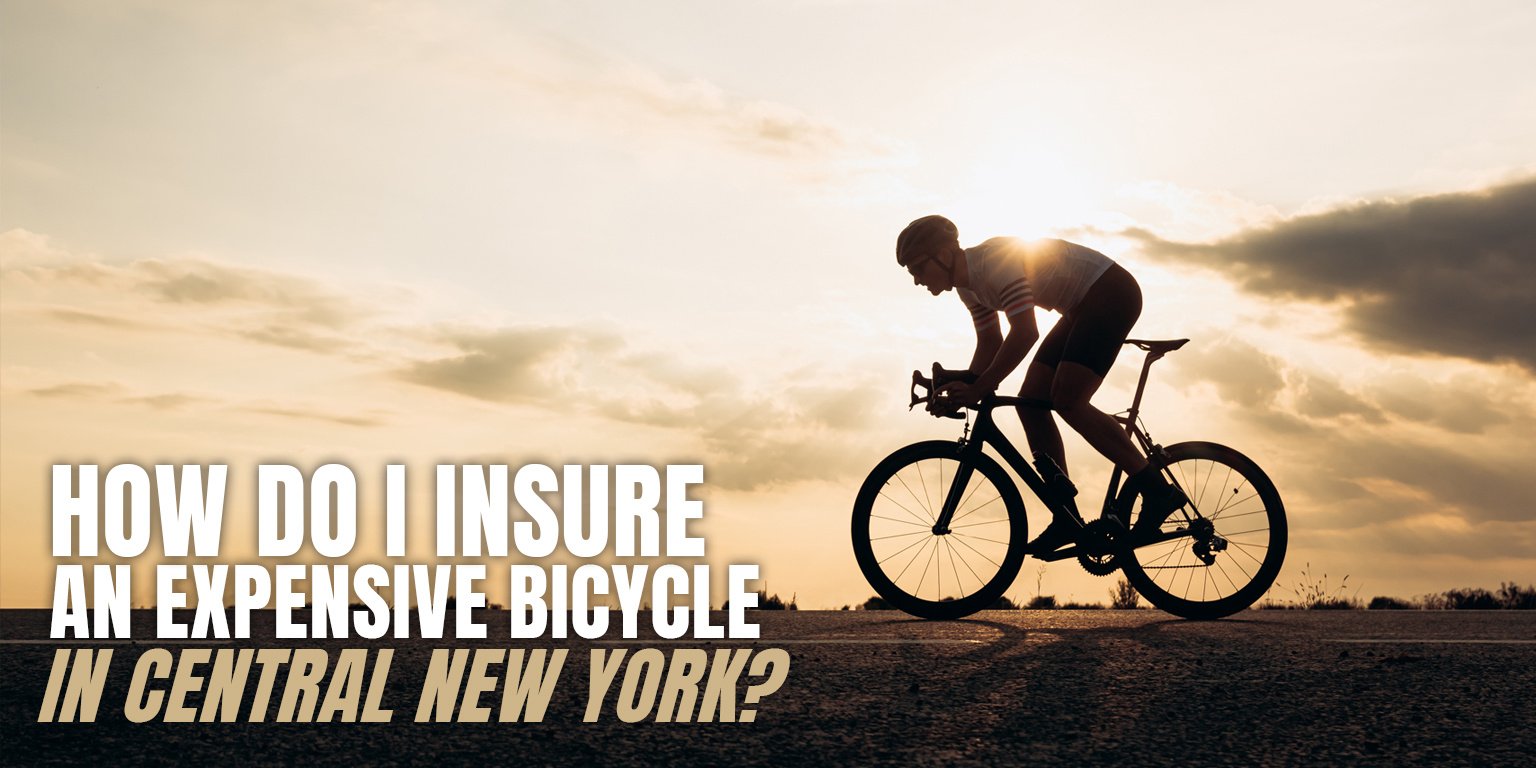
If your e-bike is a high-value model, it may also be worth asking about scheduling it on your policy as a separate item — similar to how CNY cyclists insure high-end traditional bicycles. Our article on insuring an expensive bicycle in Central New York explains how that process works and what it can offer.

What You Don't Know About Your E-Bike Coverage Can Cost You
E-bikes are practical, affordable, and increasingly common across Central New York — but the insurance picture around them hasn't caught up with how quickly they've spread.
Riders who don't ask the right questions before a loss often find themselves absorbing costs they assumed were covered. A stolen bike, a liability claim from a pedestrian collision, or damage from a fall can each land differently depending on how your carrier classifies what you're riding.
At the Horan insurance agency, we work with several carriers in the CNY market and can help you look at what your current policy actually says about e-bike coverage. We can also discuss whether additional coverage makes sense for your situation.
Click the Get a Quote button below to connect with a licensed agent at the Horan insurance agency and discuss your options.