
Your auto insurance premium keeps climbing, and you've probably wondered why New York drivers pay so much more than drivers in most other states. If you live in Syracuse, Liverpool, or Baldwinsville, you've felt this squeeze on your household budget.
Right now, a proposal sitting in Albany's stalled state budget could reshape how fault gets assigned after a crash — and how much drivers ultimately pay for coverage.
At the Horan insurance agency, we help Central New York drivers understand how state-level changes may affect their policies. As an independent agency working with several carriers, we see how shifts in New York's legal landscape ripple through the auto insurance market.
Below, we'll explain what comparative fault reform actually means, why Governor Kathy Hochul is pushing it, and where the debate currently stands.
What Comparative Fault Means Under Current New York Law
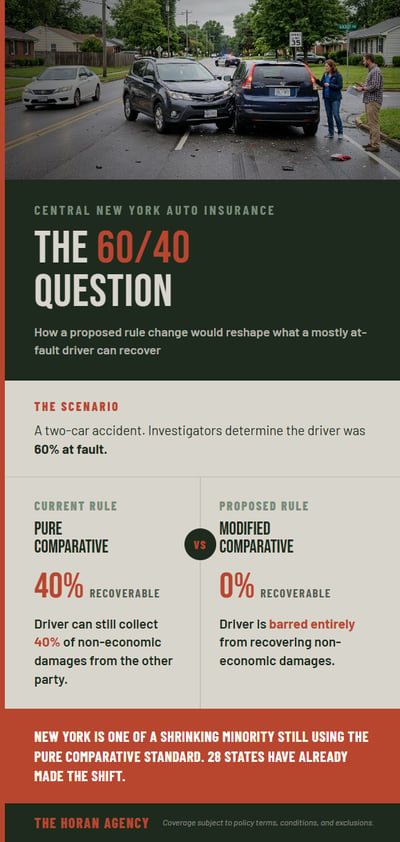
New York uses a "pure comparative" fault system for auto accidents. Under this standard, an injured driver can recover damages even when they are primarily at fault for a crash, with compensation reduced by their percentage of fault. That means a driver found 90 percent responsible for a collision can still collect a portion of damages from the other party.
New York is among the minority of states still using this pure comparative standard; 28 states have shifted to a modified comparative system, which generally bars drivers above a set fault threshold from recovering certain categories of damages. A detailed analysis from Gerber Ciano Kelly Brady LLP walks through how these standards compare across states.
 The Proposed Changes in Governor Hochul's "Money in Your Pockets" Plan
Governor Hochul has proposed several structural changes to New York's auto insurance and tort laws as part of her 2026 executive budget. The stated goal is to reduce premiums by addressing litigation costs, fraud, and claim severity. The Governor's Office outlines the full reform package, with core elements including:
- Modified comparative fault. Drivers found more than 50 percent at fault would be barred from recovering non-economic damages, such as pain and suffering.
- Joint and several liability reform. Defendants found less than 50 percent at fault would be responsible only for their proportional share of non-economic damages, rather than being exposed to the full award when other defendants can't pay.
- A narrower "serious injury" threshold. The reform would establish objective medical standards for what qualifies as a serious injury under New York's no-fault law, limiting which injuries can trigger a lawsuit beyond basic no-fault benefits.
- Caps for uninsured or impaired drivers. Non-economic damages would be capped for drivers who were uninsured, impaired, or committing a felony at the time of an incident.
Why the Debate Matters for Central New York Drivers
New York drivers currently pay some of the highest auto premiums in the country. According to a recent analysis published by Live Insurance News, full-coverage averages now exceed $4,000 per year in parts of the state, compared with a national average around $2,638.
Even in Central New York, where rates run lower than downstate, drivers in Syracuse and surrounding communities face consistent yearly increases.
Supporters of the reform argue these changes could reduce premiums meaningfully. The Citizens Budget Commission estimates a 10 percent reduction in New York premiums would save drivers roughly $1.9 billion annually, or at least $200 per vehicle per year.
Opponents — including the New York State Trial Lawyers Association — argue the changes would limit the rights of injured people and may not translate into actual premium savings for consumers.
The Current Budget Standoff
The New York budget remains unresolved well past its April 1 deadline. As Spectrum News reported, Deputy Senate Majority Leader Mike Gianaris told reporters in early April that talks over the auto insurance plan were "not close" to resolution, with lawmakers asking for more data to justify the claim that fraud is driving higher rates.
The legislature has passed multiple short-term budget extenders to keep state operations funded while negotiations continue.
For Central New York drivers, the practical outcome is still uncertain. Whether the reforms pass in the final budget, move into a separate legislative effort, or stall out entirely will shape how your next policy renewal looks.
A Hypothetical to Illustrate the Practical Shift

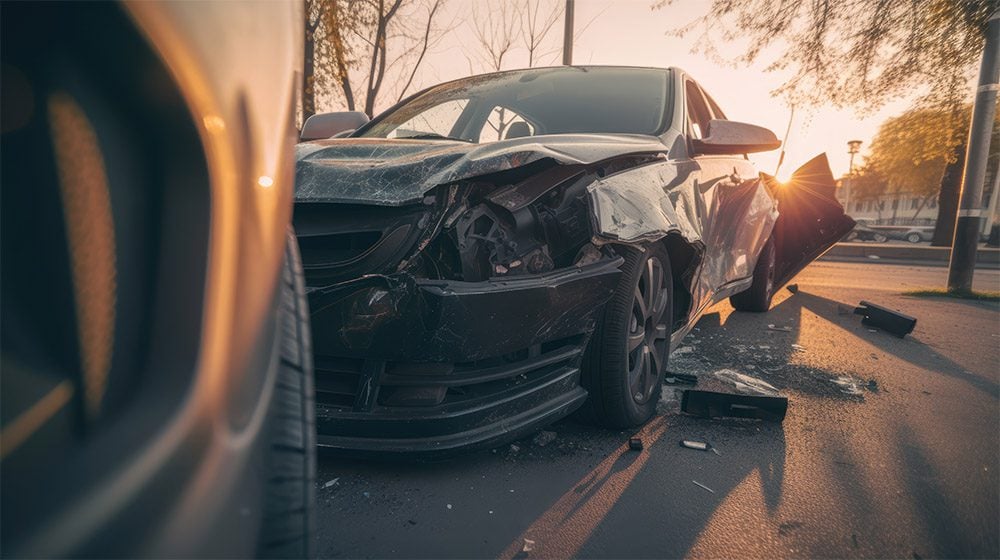
Consider a hypothetical situation. A Cicero driver is in a two-car accident where investigators determine she was 60 percent at fault. Non-economic damages cover losses that don't come with a receipt — pain and suffering, emotional distress, loss of enjoyment of life, and similar harms that aren't tied to a specific bill or wage statement. Under the current pure comparative rule, she could still recover 40 percent of those damages from the other driver. Under the proposed modified rule, she would be barred from recovering them entirely.
That shift could affect how insurers price liability coverage, how claims get litigated, and — if proponents are correct — how much drivers pay at renewal. Any premium changes would depend on regulatory review by the New York Department of Financial Services.
Staying Informed as the Debate Continues
Legislative proposals change shape during negotiations, and what gets enacted rarely matches what was first proposed. Working with a licensed agent who can walk you through your current policy as the market evolves gives you a clearer picture of your options at renewal.
At the Horan insurance agency, we work to keep Central New York drivers informed about developments that may affect their auto coverage. As an independent agency, we have access to a network of carriers and can help you compare options as the market shifts. For related reading, see our articles on:
Click the Get a Quote button below to discuss your auto insurance options with a licensed agent serving Central New York.

Topics: