
You've worked hard to build your contracting business in Central New York, and the last thing you want is to face a lawsuit that threatens everything you've created. When you're preparing to bid on commercial projects—whether in Syracuse, Rome, or Utica—you've probably noticed that insurance carriers either quote rates that seem astronomical or decline to write your coverage altogether.
The source of this challenge? New York Labor Law §240, often called the Scaffold Law, which creates unique liability exposures that don't exist in any other state.
Many CNY contractors discover too late that this 1885 law fundamentally changes how liability works when someone gets injured in an elevation-related accident. You want to understand what you're up against and how to structure your business insurance to address these exposures.
At the Horan insurance agency, we work with contractors throughout Central New York who face these challenges. As an independent agency with access to carriers that write height-risk contractors, we can share information about how this law affects your insurance options and costs.
In this article, we'll explore what the Scaffold Law means for contractors, how it differs from liability rules in other states, and why it creates the insurance challenges you're experiencing.
How New York's Scaffold Law Creates Absolute Liability
New York Labor Law §240 requires contractors, property owners, and their agents to provide workers with appropriate safety equipment when performing construction work at elevations. This includes scaffolding, ladders, hoists, stays, slings, hangers, blocks, pulleys, braces, irons, ropes, and similar devices. The law applies to construction, demolition, repair, alteration, painting, cleaning, and pointing of buildings or structures.
What makes this law unique is the concept of "absolute liability." Unlike the comparative negligence standard that applies in most other legal contexts, Labor Law §240 holds property owners and general contractors liable for gravity-related injuries regardless of who was at fault.
If a worker falls from a height or gets struck by a falling object, the property owner and general contractor bear responsibility even when they didn't directly control or supervise the work.
The only exception applies to owners of one-family and two-family dwellings who contract for work but don't direct or control it. For all other construction projects in Central New York—from commercial buildings in downtown Syracuse to warehouse renovations in Oneida—this absolute liability standard applies.
Why New York Is Different from Other States
New York remains the only state in the nation that maintains this absolute liability standard for elevation-related construction injuries. In other states, including neighboring Pennsylvania and Vermont, liability follows a comparative negligence model. Under comparative negligence, an injured party's own actions can reduce or eliminate the defendant's liability.
Under New York's Scaffold Law, the only defense available to a property owner or general contractor is proving that the injured worker was the sole proximate cause of the accident. This defense requires showing that proper safety equipment was provided, proper safety instructions were given, and the worker intentionally disregarded both—a standard courts describe as extremely difficult to meet.
This legal framework means that even contractors who maintain rigorous safety programs and provide all required protective equipment can still face substantial liability when injuries occur. The law assigns responsibility to those who control the worksite rather than evaluating each party's conduct.
 The Insurance Market Response
Insurance carriers respond to this elevated risk by adjusting their underwriting practices and pricing. Many carriers simply won't write general liability coverage for contractors whose classification code includes potential height exposure. The key factor isn't whether you personally work at elevations—it's whether your trade classification reasonably includes such work.
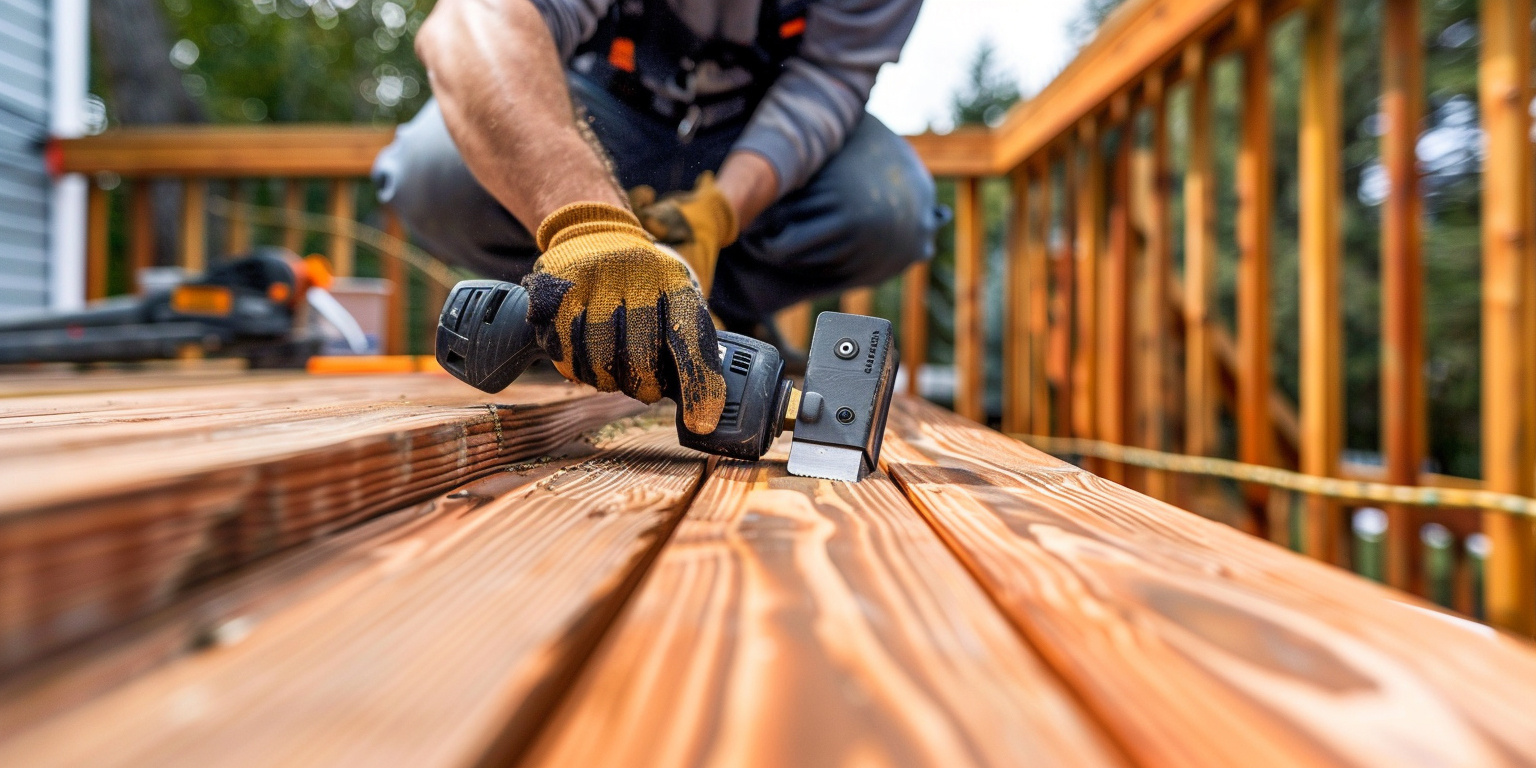
A painter who claims to only paint ground-floor interiors faces the same underwriting challenges as one who scales multiple stories, because the painting classification encompasses height-related work. Similarly, a carpenter who only builds ground-level decks gets classified with framers, drywall installers, and others who commonly work at elevations.
If your trade classification includes painting, roofing, siding installation, carpentry, gutter work, or similar categories, you'll likely find that standard carriers decline your applications regardless of your actual work practices.
When coverage is available, the premiums reflect the increased risk. Industry data shows general liability premiums in New York run approximately 30% higher than in other states.
For specific trades, the disparity grows larger. Carpentry work might cost $17.37 per $100 of payroll in New York compared to $3.19 in a state like North Carolina. These aren't small differences—they represent substantial annual expenses that affect your ability to bid competitively on projects.

Common Policy Exclusions
Contractors who secure general liability coverage need to review their policies for endorsements that limit protection under the Scaffold Law. Some policies include:
- Height restrictions that exclude coverage for work above 15 feet or two stories
- Action over exclusions that eliminate coverage when injured subcontractor employees sue property owners or general contractors who then seek contribution from you
- Employee exclusions that broadly deny coverage for injuries to anyone deemed an employee under the law, including subcontractor workers
These exclusions can leave contractors without coverage precisely when they need it most. A single uncovered claim could create financial hardship that jeopardizes your business.
 Workers Compensation Coverage for Height-Risk Contractors
The Scaffold Law's impact extends beyond general liability insurance to create substantial challenges in obtaining workers compensation coverage. While general liability addresses third-party claims, workers compensation covers your own employees' injuries—and height-risk contractors face significant obstacles in securing this mandatory coverage.
Workers compensation carriers classify contractors based on their trade category rather than their specific job activities. Painters, roofers, siding installers, carpenters, and similar trades get assigned to classification codes that reflect the typical height exposure in those professions.
A painter who insists they only work at ground level still gets the painter classification code—and faces the same underwriting challenges as painters who work on multi-story buildings. This classification-based approach means many private carriers decline to write workers compensation coverage for entire trade categories, regardless of individual contractors' actual work practices.
The absolute liability environment the Scaffold Law creates contributes to this market reluctance, as carriers know that 70% of workers compensation losses in construction result in companion Labor Law §240 claims.
When an employee suffers an elevation-related injury, they can file for workers compensation benefits while simultaneously pursuing a Labor Law §240 lawsuit against property owners and general contractors. This dual-track recovery system increases the total claim costs that insurance carriers must consider when underwriting construction risks.
The potential for substantial verdicts under the Scaffold Law makes New York's workers compensation market one of the most expensive in the nation for contractors.
Contractors who can't secure coverage through private carriers often turn to the New York State Insurance Fund (NYSIF). As the state's insurer of last resort, NYSIF must provide coverage to any employer seeking it, regardless of business type, safety record, or size.
For business owners, NYSIF calculates premiums using standard payroll amounts based on class codes rather than actual earnings. A carpenter-owner might face premiums based on a $77,000 annual payroll regardless of actual income.
Employee payroll, however, is charged based on actual wages. This structure can make coverage particularly expensive for smaller operations where the owner performs much of the work.
The workers compensation challenges reinforce why many contractors working at heights in Central New York face substantially higher total insurance costs than contractors in other states or contractors whose work remains at ground level. Both general liability and workers compensation premiums reflect the elevated risk that New York's unique liability framework creates.
How This Affects Subcontractor Relationships
The Scaffold Law creates additional considerations when you work with or hire subcontractors. If you're acting as a general contractor on a project and a subcontractor's employee suffers an elevation-related injury, you can face liability under Labor Law §240 even though you didn't employ that worker.
The injured worker can pursue workers compensation from their employer while simultaneously bringing a lawsuit against you as the general contractor.
This dual-track recovery system means that requiring subcontractors to carry their own insurance becomes critical. You'll want certificates showing general liability coverage without action over exclusions, along with workers compensation coverage.
Many contractors also require subcontractors to name them as Additional Insured on the subcontractor's general liability policy, which can provide an additional layer of protection.
Many contractors include indemnification provisions in their subcontracts, though courts scrutinize these provisions and may not enforce them in all situations.
When you're working as a subcontractor for someone else, general contractors will typically require you to demonstrate that your insurance addresses Scaffold Law exposures. They'll want to see that your policy doesn't contain height restrictions or action over exclusions that would leave them exposed.
Strategic Considerations for CNY Contractors
Understanding the Scaffold Law helps you make informed decisions about which projects to pursue and how to structure your insurance program. Some contractors believe they can avoid elevation-related insurance challenges by limiting their work to ground-level projects. However, as discussed earlier, insurance carriers evaluate risk based on your trade classification rather than your actual job selection.
The classification system means that limiting your actual elevation work won't necessarily reduce your insurance costs or improve carrier appetite. Others decide that accepting the higher insurance costs and limited carrier options is simply part of operating in their chosen trade within New York.
Safety programs take on heightened importance in this environment. While rigorous safety practices won't eliminate your absolute liability under the law, they can reduce the frequency and severity of injuries that lead to claims. Fewer claims translate to better loss history, which carriers consider when determining whether to offer coverage and at what price.
Working with carriers that specialize in construction insurance rather than general commercial carriers often produces better results. Carriers with construction expertise understand the Scaffold Law's implications and structure policies accordingly.
They typically offer higher limits and fewer problematic exclusions than carriers who view construction as an incidental part of their book of business.
The Ongoing Debate About Reform
The construction industry in New York has advocated for Scaffold Law reform for years, arguing that the absolute liability standard drives up costs without improving safety.
Industry groups point out that construction safety has improved substantially since 1885 through OSHA regulations, modern equipment, and better training programs. They suggest that moving to a comparative negligence standard would reduce insurance costs while maintaining appropriate incentives for workplace safety.
Worker advocacy groups oppose these reform efforts, arguing that the Scaffold Law's strong protections have contributed to New York's construction safety record. They contend that absolute liability creates powerful incentives for property owners and general contractors to invest in safety measures and properly supervise worksites.
As a contractor, you operate within the legal framework that currently exists rather than the one that might emerge from future legislative action. Your insurance and risk management decisions need to address the law as written today.
Finding Coverage That Addresses Your Exposure
The Horan insurance agency works with carriers that write contractors with elevation-related exposures. We can review your specific operations to identify which carriers might offer coverage and what policy terms you might expect.
Our access to multiple carriers allows us to compare options and discuss which approach might work for your situation.
We can also review any policies you're considering to identify exclusions that could create coverage gaps. Understanding what your policy does and doesn't cover before you sign a contract or begin work helps you avoid surprises when incidents occur.
Insurance isn't a solution to the underlying legal exposure the Scaffold Law creates—it's a financial tool that can help address the consequences when injuries happen. The law itself creates the liability framework that affects all contractors working on elevated surfaces in New York.
Click the Get a Quote button below to discuss your contracting operations with our team. We'll explore which carriers in our network might offer coverage for your situation and what terms and conditions to look for. Understanding your options gives you the information you need to make decisions that align with your business goals and risk tolerance.

Topics: