
You get to the end of a shift and the truck still needs to make it home. Insuring it like a delivery van, because it technically is one, is where CNY food truck and mobile vendor owners often find a gap they didn't know was there. A permanently mounted kitchen changes how a vehicle gets classified and what a commercial auto policy needs to include.
At the Horan insurance agency, we work with multiple carriers across Central New York. That gives us a view of how food truck and mobile kitchen vehicles get classified and rated differently than a standard delivery vehicle.
This article walks through how that classification works, why equipment in transit is its own exposure, and which endorsements typically matter most once a truck's classification is settled.
How Does a Food Truck Get Classified on a Commercial Auto Policy?
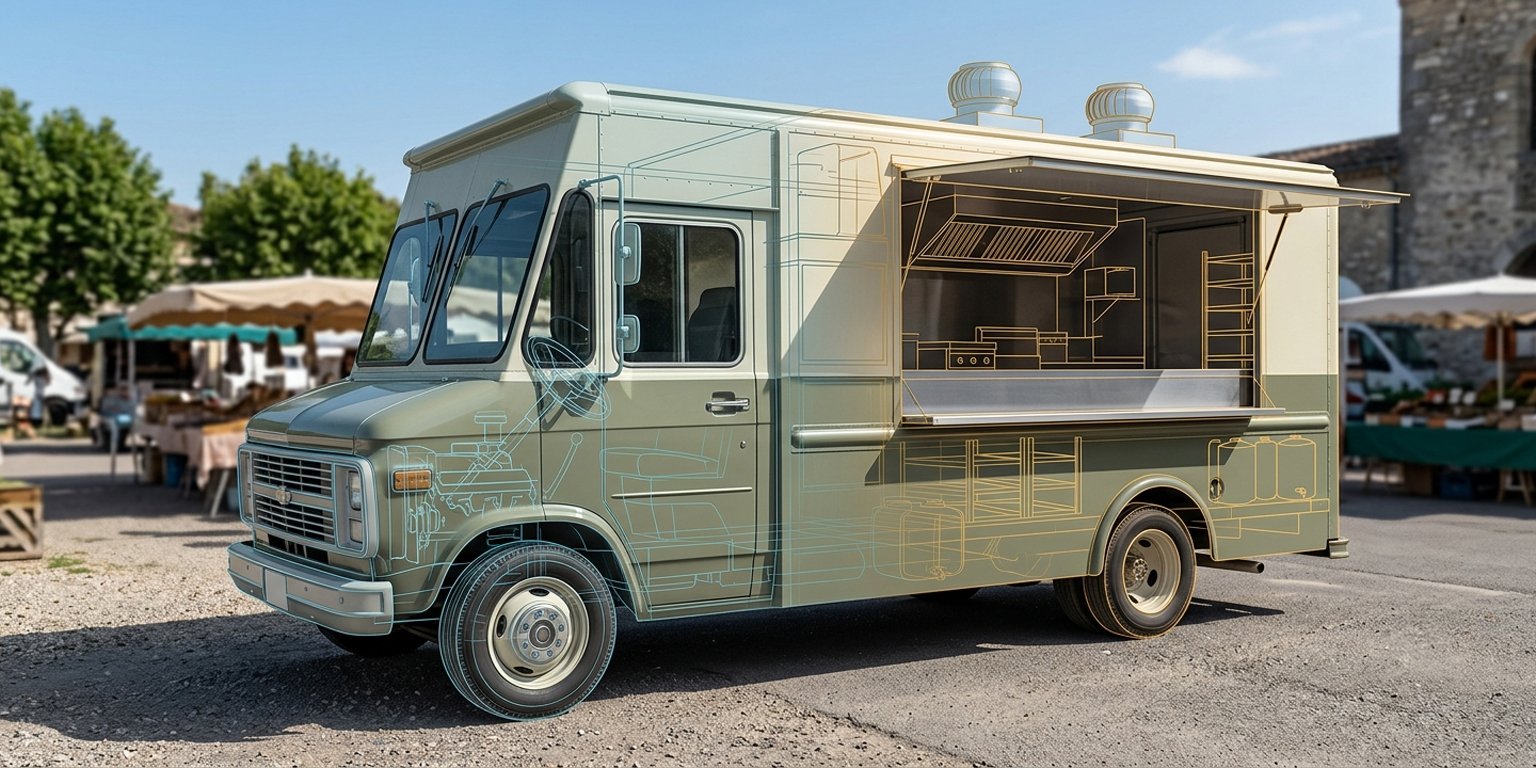
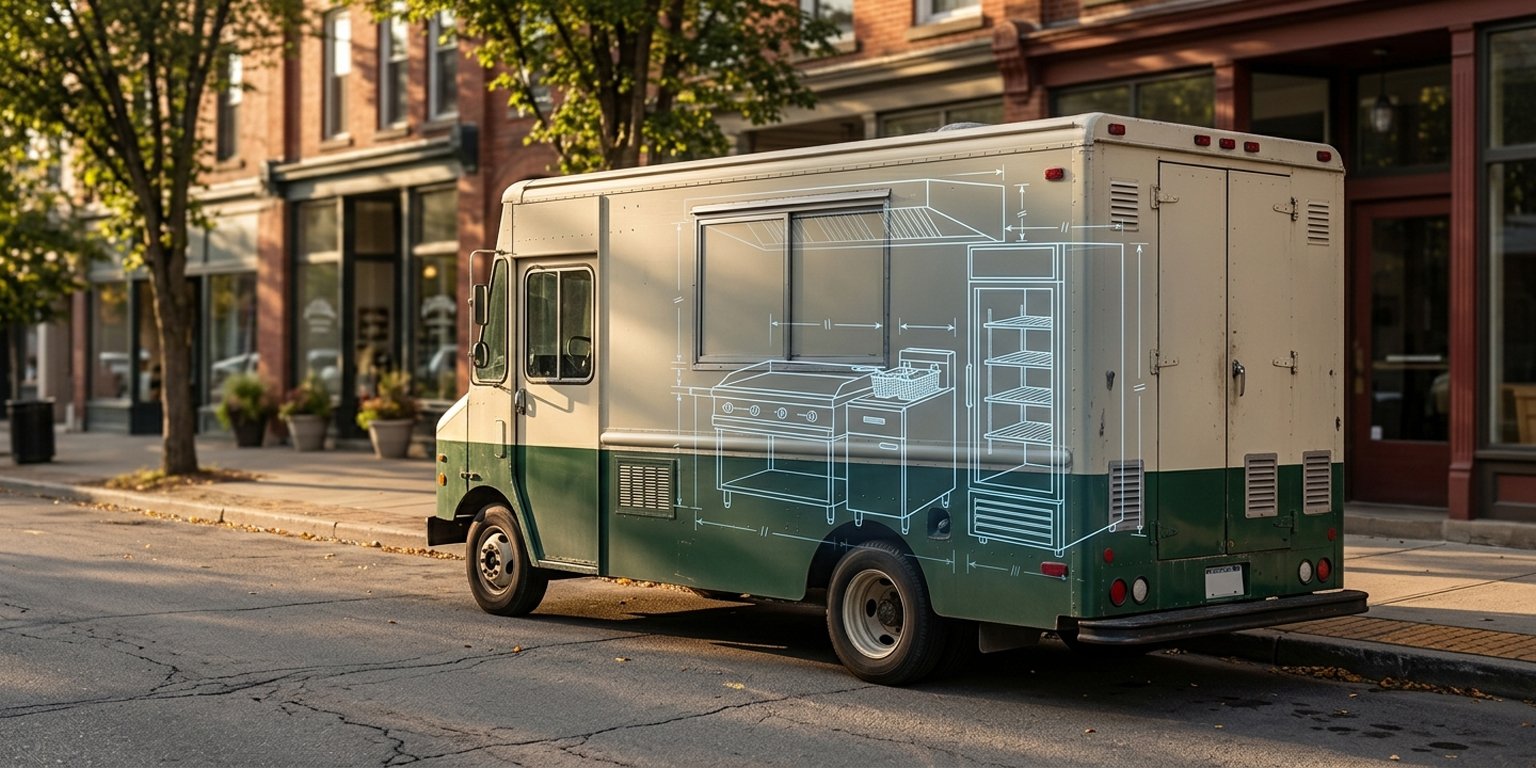
A food truck is generally classified in part by its equipment and modifications, alongside standard factors like vehicle ownership and size. A vehicle built out with cooking equipment, ventilation, or refrigeration is typically treated differently than a delivery van carrying the same payload.
Carriers commonly look at whether a vehicle has been modified with features that aren't standard for personal or general commercial use — comparable to how a plumber's van with a mounted ladder rack or hydraulic lift gets flagged for its equipment, not its wheelbase. A mobile kitchen raises the same question, at a larger scale.
This classification matters because it can affect rating, and it may narrow which carriers are willing to write the vehicle at all. A hypothetical example: a taco truck owner who insures the vehicle as a standard box truck, without disclosing the kitchen buildout, may find that the declared value and available coverage don't match what's actually installed inside it.
Why Does Equipment in Transit Need Its Own Coverage?
Equipment secured for driving is a different exposure than equipment bolted down and running during service, and a standard commercial auto physical damage endorsement isn't built with kitchen equipment specifically in mind. Physical damage coverage on a base auto policy is generally scaled to the vehicle itself, not everything installed inside it.
A fryer, grill, or refrigeration unit that shifts or is damaged while the truck is in motion is a transit-specific exposure. This is separate from the general-liability question of what happens once the truck is parked and serving — that ground belongs to a different part of the food truck's coverage picture, not to the commercial auto policy itself.
 Which Endorsements Commonly Matter for a Food Truck's Commercial Auto Policy?
The endorsements that matter most for a food truck are the ones built around what's mounted to the vehicle and how disruptive a breakdown becomes when the vehicle is also the kitchen. A few endorsement types commonly come up in this conversation:
- Physical damage coverage that accounts for the buildout — extending coverage beyond the base vehicle's value to include the kitchen equipment and fixtures permanently installed inside it, rather than leaving that value unaddressed.
- Equipment breakdown coverage — addressing mechanical or electrical failure of equipment like refrigeration or cooking systems, a different exposure than damage caused by a collision or accident.
- Towing and labor — an endorsement available on many commercial auto policies that covers towing and roadside repair costs, which carries added weight for a food truck since a breakdown typically takes the entire business off the road, not just the vehicle.
Not every carrier offers each of these, and availability can vary by policy. A conversation with a licensed agent is generally the fastest way to confirm what's actually available for a specific vehicle and buildout.
What About Coverage While the Truck Is Parked and Serving?
General liability, not the commercial auto policy, is generally what responds to a food truck's day-to-day service-window exposure — things like a customer injury near the window or a food-related claim while parked. Insurance for CNY Food Trucks: What's Different From a Brick-and-Mortar Restaurant covers that ground directly. This piece stays focused on the vehicle and what's mounted to it while in transit.
Ready to Review a Food Truck's Commercial Auto Coverage?
Proper classification and endorsements that fit a vehicle's actual buildout are typically what separate a food truck's commercial auto policy from a standard delivery van's. Skipping that step is where owners commonly end up underinsured, discovering the gap only after a breakdown or an accident takes the whole business off the road.
As an independent agency working with multiple carriers across Central New York, the Horan insurance agency can help sort through how a specific vehicle and buildout are likely to be classified, and which endorsements are worth reviewing.
Click the Get a Quote button below to start that conversation.

Topics: