You run a childcare center, a youth sports league, or an after-school program in Central New York, and you already carry general liability insurance. You assume that policy responds if a family ever brings an abuse or molestation allegation against your business. That assumption is common, and it's often wrong.
At the Horan insurance agency, we work with multiple carriers across Central New York, which gives us a view into how these policies handle child abuse and molestation claims. The gap isn't always obvious until a claim gets filed, and by then, an owner has already made decisions based on coverage they thought they had.
This article walks through how abuse and molestation coverage typically differs from standard general liability, the gap patterns worth checking for, and why the distinction matters most the moment a claim shows up, not at renewal.
What Happens When an Abuse Allegation Meets a Standard Liability Policy
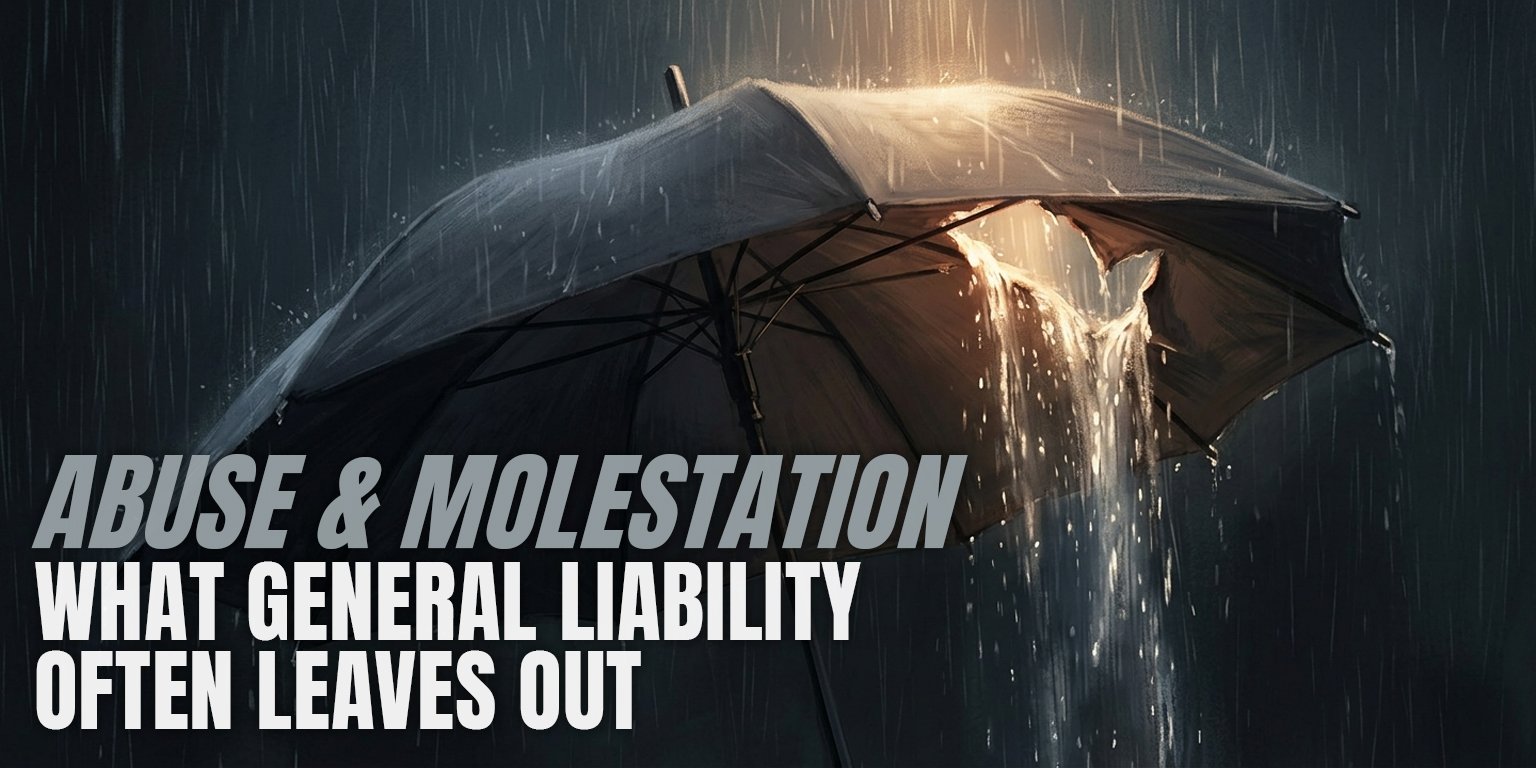
A general liability policy often responds to bodily injury and property damage claims, but it treats abuse and molestation allegations differently, and that difference can show up in more than one place on an actual policy.
Our Licensed Commercial Childcare Center Insurance in Central New York article covers the broader coverage picture for a licensed center — property, general liability, and workers compensation. This article picks up the one piece that article flagged but didn't explain.
How the Coverage Gap Shows Up on a Real Policy
The gap usually takes one of three forms, and each creates a different outcome for a claim. Carrier forms vary, so confirm the actual structure against a specific policy rather than assuming any one pattern applies:
- An exclusion endorsement commonly removes abuse and molestation from the general liability policy, leaving that exposure without coverage under the base form.
- A built-in sublimit — commonly in the low tens of thousands — sits inside a policy that otherwise carries a much higher limit for everything else.
- A shared aggregate means one abuse claim can draw down the same yearly fund set aside for every other liability claim the business files.
What Dedicated Abuse and Molestation Coverage Typically Addresses
Standalone abuse and molestation coverage could provide coverage for legal defense costs, settlements, and judgments tied to allegations involving anyone under the business's care, custody, or control. Our Horan Jargon Buster breaks down that phrase and related policy terms in plain language.
Defense costs alone can run high regardless of whether an allegation is later substantiated. A dedicated policy or endorsement typically keeps those costs separate from the limit that would otherwise cover an unrelated claim, such as a visitor's slip-and-fall.
Why Negligent Supervision Claims Complicate the Picture
Many abuse-related lawsuits get brought on a negligent hiring, training, or supervision theory rather than a direct-abuse theory. A business can face a lawsuit alleging it failed to screen or supervise staff properly, even without a direct allegation against any one employee.
That distinction matters because an abuse and molestation endorsement that excludes negligent supervision claims can look like coverage on paper while responding to very little in practice. Confirm how a specific policy treats this angle rather than assuming every form handles it the same way.
 Why Carriers Write This Coverage Separately From General Liability
Carriers treat abuse exposure as high-severity, high-scrutiny underwriting territory, distinct from ordinary bodily injury or property damage claims. That's a large part of why it's commonly written as its own endorsement or standalone policy with its own limit, rather than absorbed into the base general liability form.
Our Guide to General Liability Insurance in Central New York covers what a standard policy does and doesn't reach more broadly.
Which CNY Businesses Beyond Childcare Centers Carry This Exposure
This exposure applies to many Central New York businesses where a minor is in an adult's care outside a parent's direct supervision, not just licensed childcare centers. That includes:
- Youth sports leagues and camps
- Tutoring and enrichment programs
- Home-based and commercial childcare providers alike, a distinction our at-home daycare article covers for the home-based side
Picture a youth soccer league in Cicero that rents field space and runs practices three evenings a week with volunteer coaches. If a family raises a supervision concern involving one of those volunteers, the league's coverage picture depends on the same gap patterns above, whether or not it's a licensed childcare business.
Why Claims-Made Timing Matters for This Coverage
Standalone abuse and molestation policies are commonly written on a claims-made basis, meaning the policy in force when a claim gets reported is typically the one that responds, not necessarily the one in force when the alleged incident occurred.
Given how long these claims can take to surface, this is worth asking about directly rather than assuming continuous coverage carries over automatically.
Confirming What Your Policy Actually Says
We covered how the gap between general liability and abuse and molestation coverage shows up in three common forms, what dedicated coverage typically addresses, the negligent supervision angle, and why claims-made timing matters. A business with general liability alone can carry the same exposure on this claim as one with no liability coverage at all.
As an independent agency working with multiple carriers across Central New York, the Horan insurance agency can walk through what a specific policy's abuse and molestation language actually says — the limit, the aggregate structure, and the negligent supervision wording. That's worth confirming before a claim tests it.
Click the Get a Quote button below, and let's start that conversation.

Topics: