
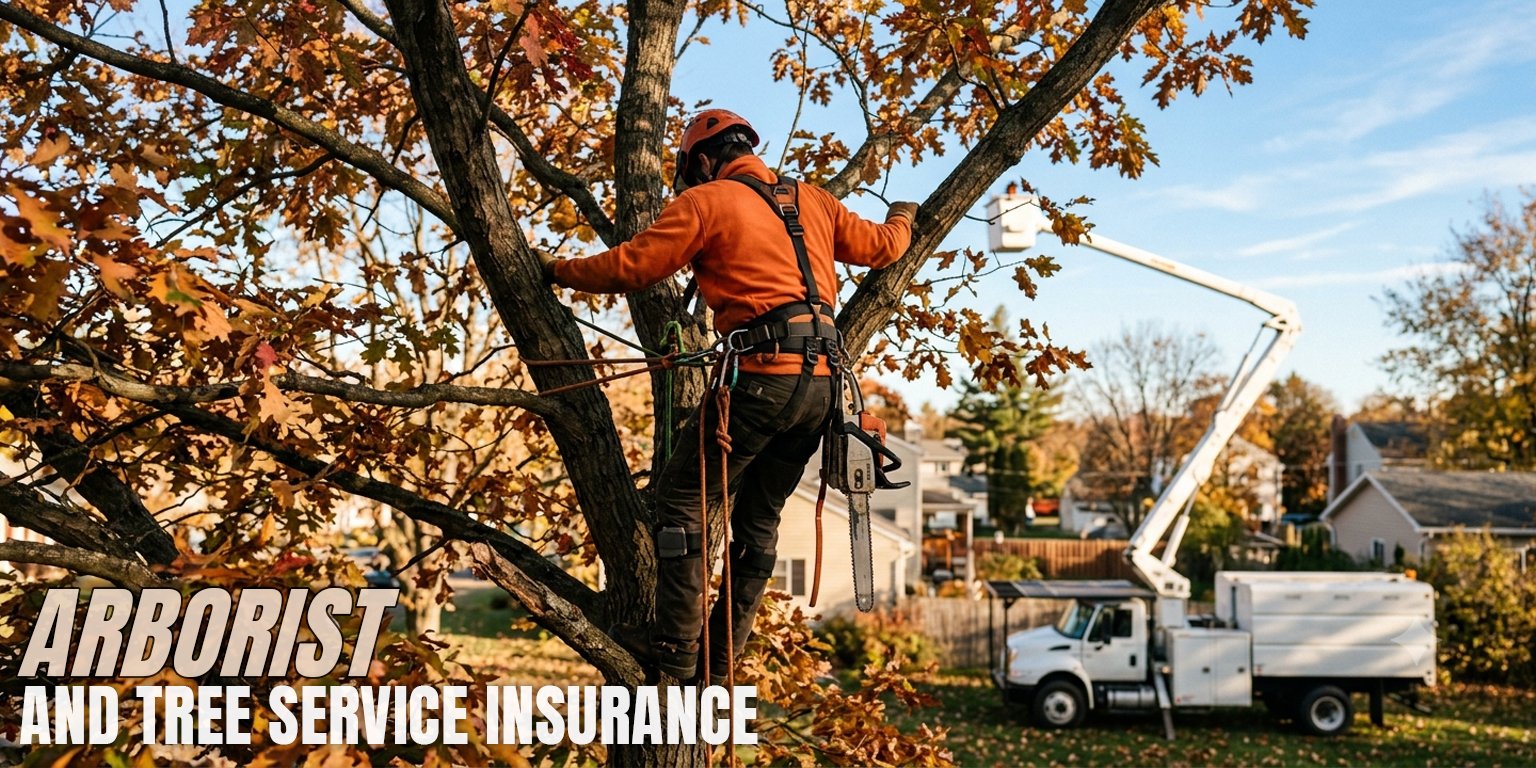
Picture a Central New York tree service crew taking down a storm-damaged oak leaning over a client's garage in Cazenovia. The job involves chainsaws, ropes, a bucket truck, and gravity — none of which a landscaping policy was built around.
If you run a tree service or arborist business, the size of a future claim isn't the worry that keeps you up at night. It's whether the policy you already have matches the work your crew does every day.
As an independent insurance agency working with multiple carriers across Central New York, we look at where a landscaping policy and a tree service policy split apart, and what that split means for your coverage.
This article covers what separates tree service risk from standard landscaping coverage, where general liability and commercial auto fit in, how to schedule high-value equipment, and why workers compensation costs more for climbing crews.
Why Tree Work and Landscaping Aren't the Same Insurance Risk
A landscaping crew mowing lawns and trimming shrubs faces a low hazard profile, and carriers underwrite most landscaping general liability policies around that lower-risk work. A tree crew climbing into a canopy, dropping heavy limbs with a chainsaw, and working above roofs, driveways, and power lines faces a different risk.
Our guide to landscaper insurance in Central New York covers the ground-level work landscaping policies are designed for. Tree removal, trimming, and stump work sit outside that scope, which is why the coverages below matter even if your business already carries a landscaping policy.
What Does General Liability Cover When a Tree Job Goes Wrong?
General liability insurance is the coverage that often responds when a falling limb damages a roof, a chipper kicks debris into a window, or equipment scars a driveway.
Imagine a hypothetical crew removing a limb near power lines in Fayetteville. If it lands on a neighbor's fence instead of the drop zone, that's the kind of damage general liability is designed to address.
New York's Scaffold Law imposes strict liability for elevation-related injuries on certain projects. As a rule, it applies to work performed on a building or structure rather than a tree itself. Our breakdown of the New York Scaffold Law's reach for CNY contractors covers where that statute does apply.
Tree work falls outside that statutory framework in most cases, so general liability and workers compensation carry more of the weight for climbing and overhead risk than they would on a job tied directly to a building.

Why a Chip Truck or Bucket Truck Needs Its Own Auto Coverage
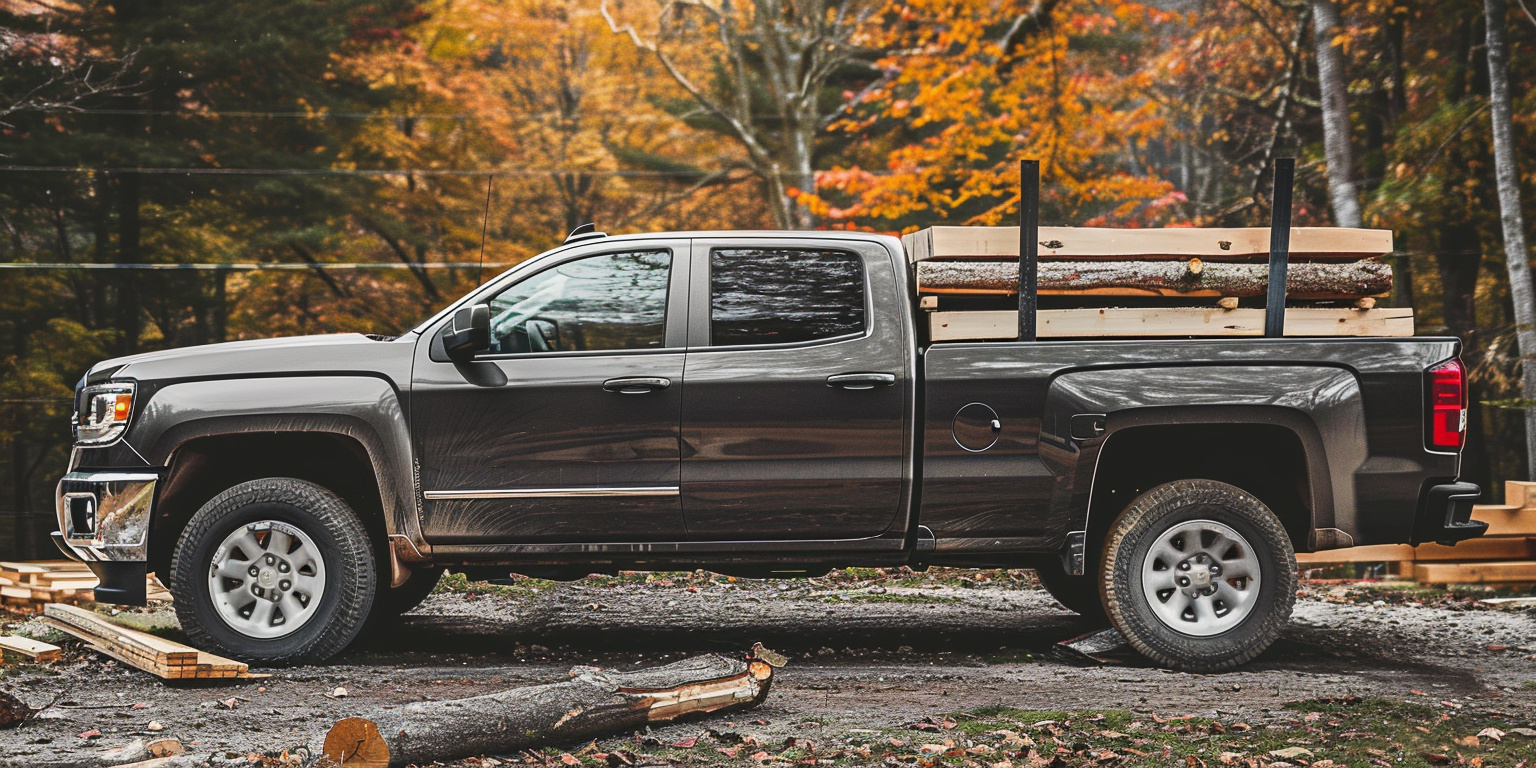
A chip truck towing a chipper and a bucket truck with an aerial lift count as commercial vehicles. Personal auto policies exclude vehicles used for business in most cases, even one that started out as a personal truck before it became job equipment.
Our guide to commercial auto insurance in Central New York walks through how that coverage works for vehicles like these, including what happens when a crew member drives a company truck to and from a job site in Camillus or Liverpool.
How to Cover Chainsaws, Chippers, and Climbing Gear After a Loss
A standard business personal property limit often falls short of what a crew's equipment is worth once a tree service owns more than a truck and a few hand tools. Scheduling that equipment by item lists each piece with its own value, so coverage can respond up to that amount if it's stolen, damaged, or destroyed.
That typically includes:
- Chainsaws and pole saws
- Wood chippers and stump grinders
- Climbing harnesses, ropes, and rigging hardware
- Aerial lift attachments and outriggers
Our article on scheduling high-value business equipment explains how that process works and why it matters more as a tree service grows its equipment list.
 Why Workers Compensation Costs More for Climbing Crews
New York requires workers compensation coverage for employees. The classification a carrier assigns to climbing work reflects the higher injury frequency and severity that comes with cutting overhead limbs from a rope or a bucket lift.
A few factors shape that classification and cost:
- Whether crew members climb or work mainly from a bucket lift or the ground
- Claims history and the types of injuries reported in past years
- Documented safety training and use of personal protective equipment
Our guide to New York workers compensation breaks down how classification and experience modification work for CNY employers, including how that applies to higher-hazard trades like tree work.
When a Single Incident Outpaces Your General Liability Limits
A severe injury claim from elevated work or heavy equipment can carry years of medical treatment, lost income, and legal defense costs that move past a standard general liability limit fast. Commercial umbrella coverage adds limits above your general liability, commercial auto, and employer's liability coverage once those underlying limits run out.
Our explanation of commercial umbrella coverage for CNY businesses covers how that additional layer works and when it tends to make sense for a higher-hazard trade like tree removal.
Matching Your Coverage to the Work Your Crew Does Every Day
Tree removal and trimming carry real consequences when a cut, a rope, or a few thousand pounds of hardwood doesn't go where it's supposed to. General liability, commercial auto, scheduled equipment, and workers compensation each play a different role for a tree crew than they do for a standard landscaping account.
A sizable loss can call for added umbrella limits on top of all four, and skipping any one piece leaves a gap that shows up at the worst possible time.
As an independent insurance agency working with multiple carriers across Central New York, we can go through your current coverage and point out where it lines up with the work your crew does, and where it doesn't.
Click the Get a Quote button below to start that conversation.

Topics: