
When you're managing construction projects in Central New York, the gap between submitting your bid and completing the work creates significant exposure. Materials arrive weeks before installation, partially completed structures sit vulnerable to weather, and your liability extends across every phase of the build. Without appropriate coverage, a single loss could derail your entire project—and your business.
At the Horan insurance agency, we assist contractors throughout Central New York with information about builder's risk insurance and how it addresses the unique exposures during active construction. As an independent agency working with multiple carriers, we help contractors explore coverage options that fit their project management approach and contractual requirements.
In this article, we'll examine how builder's risk insurance functions for commercial contractors, when this coverage becomes necessary, and why understanding the theft of materials endorsement matters for your business operations.
How Builder's Risk Insurance Covers Construction Projects You Manage
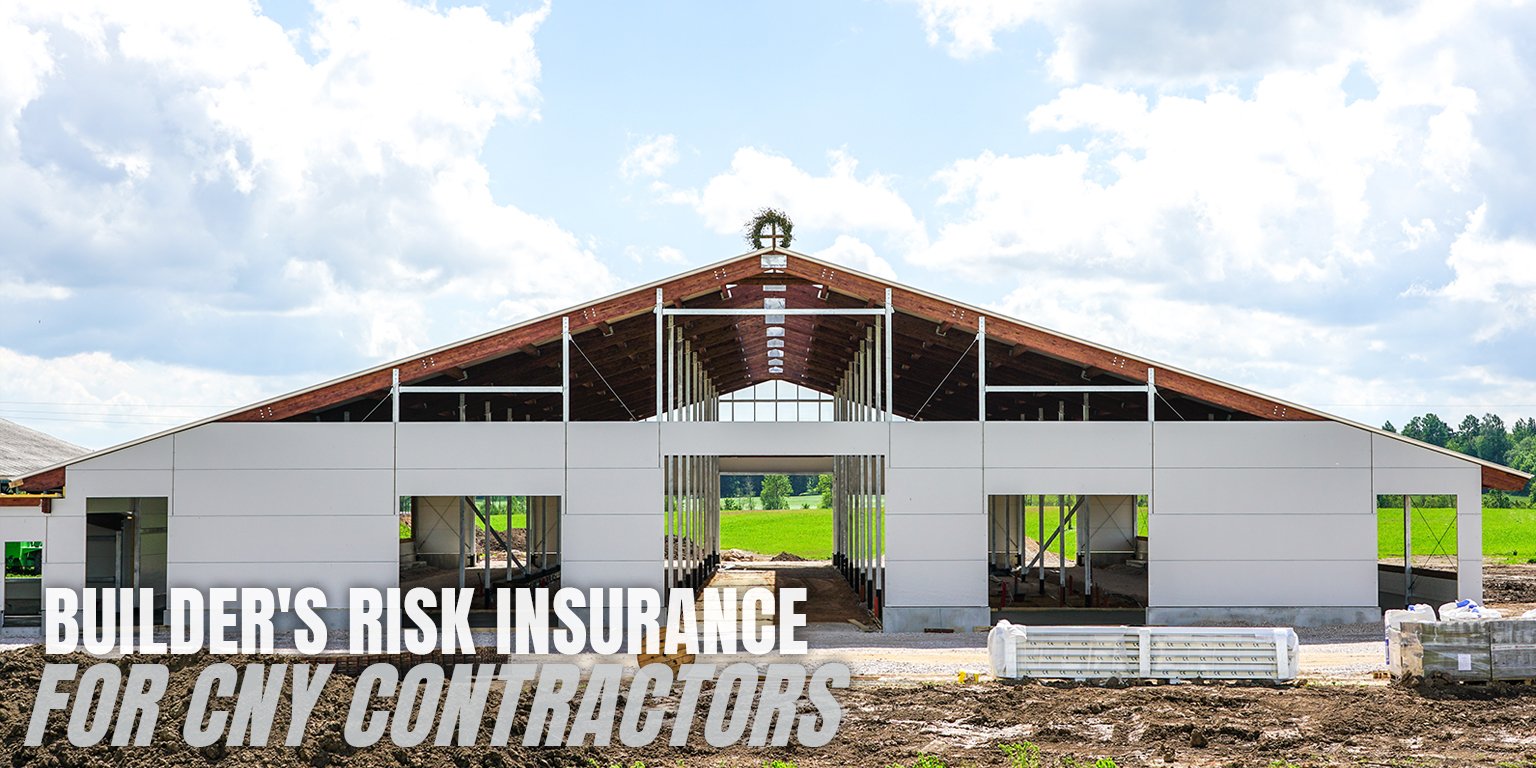
Builder's risk insurance provides property coverage during active construction for projects under your management. When you're overseeing new construction or major renovations, this policy addresses damage to materials, partially completed work, and fixtures during the construction period—filling gaps that your standard commercial property and general liability policies don't address.
The coverage functions similarly to commercial property insurance but focuses specifically on construction-phase exposures. For contractors in Central New York, this becomes particularly relevant given our seasonal weather patterns. Winter storms, spring flooding, and other regional conditions create distinct risks during construction that warrant specialized coverage consideration.
When Contractors Need Builder's Risk Coverage
Your contractual requirements often determine when you need builder's risk insurance. Many project owners, lenders, and municipalities require contractors to maintain this coverage as a condition of the construction contract. The policy addresses the project owner's interest in the property under construction while you're responsible for the work.
If you're managing a commercial build in Syracuse, overseeing renovations in Oswego, or handling additions in Baldwinsville, your contracts likely specify these insurance requirements. Builder's risk addresses these obligations while also covering your business interest in the materials and labor you've invested in the project.
 Understanding the Theft of Building Materials Endorsement for Contractors
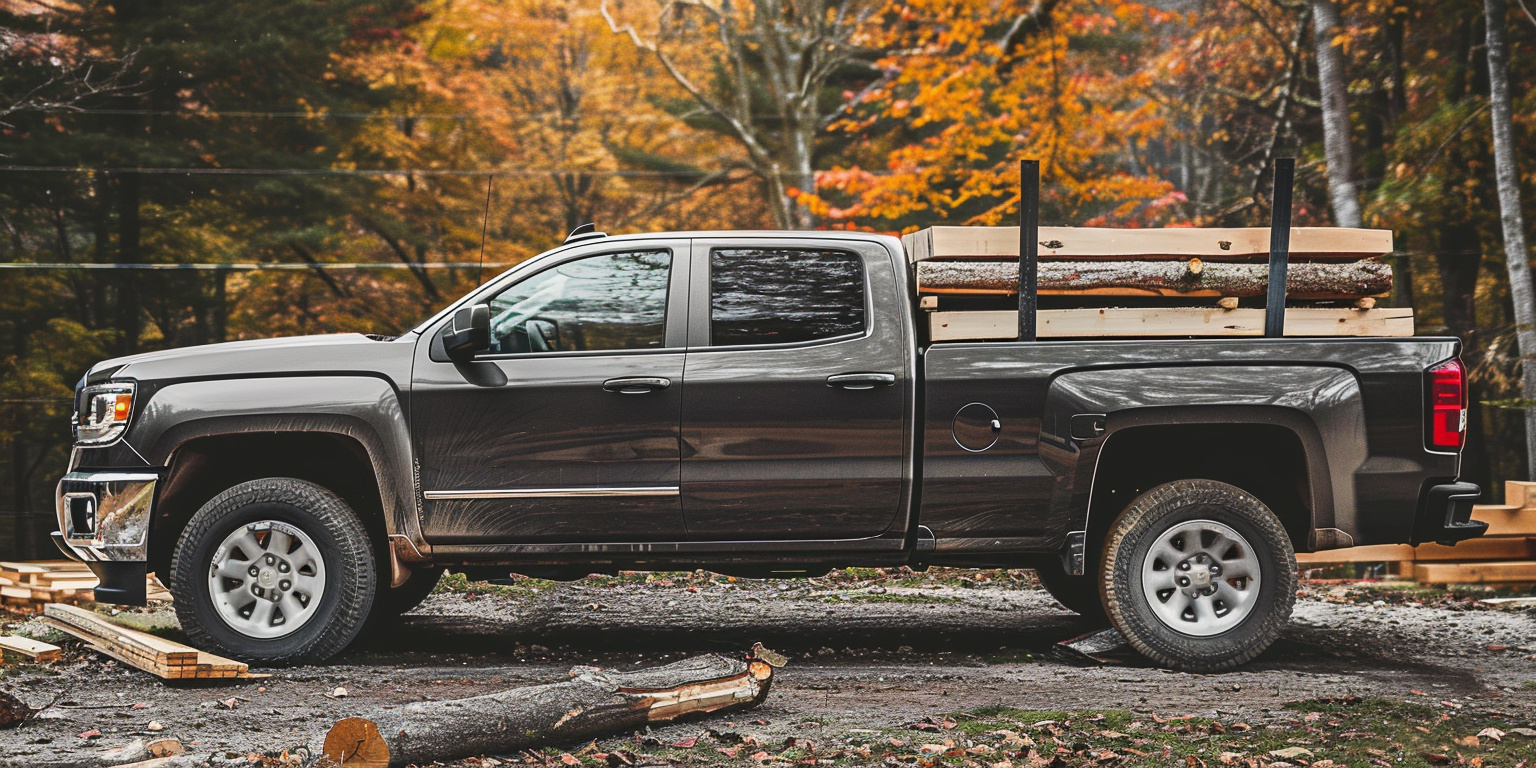
The theft of building materials endorsement becomes particularly relevant for contractors managing multiple job sites. This endorsement covers materials before they're installed or incorporated into the structure—a critical period when materials remain vulnerable to theft.
Learn more about how policy endorsements work.
Consider a scenario where your crew is working on a commercial renovation in Fulton. Roofing materials arrive three weeks before installation and remain stored on-site. Or drywall gets delivered to a new office building in Liverpool before the space is secure.
These materials represent your investment—through draws from the project owner or your own capital—making them your responsibility until they become part of the finished structure.
The endorsement addresses specific vulnerabilities:
- Materials stored on-site before installation
- Fixtures and equipment awaiting incorporation into the building
- Tools and temporary structures used during construction
- Supplies exposed to theft during construction phases
The coverage typically doesn't require excessive limits because most materials move from loose storage to installed status within weeks. Once materials become part of the structure—attached, installed, or incorporated—they transition from "building materials" to covered property under the regular policy terms.
For example, copper pipes sitting in an unsecured garage overnight present a different risk profile than pipes already installed in walls. The endorsement recognizes this distinction and provides coverage for the vulnerable, uninstalled period.
Project Timeline Considerations for Builder's Risk Insurance
Builder's risk policies include anticipated completion dates as part of the underwriting process. Most carriers prefer construction projects completed within 12 months, which aligns with standard commercial construction schedules for buildings, renovations, and additions common in Central New York. Projects extending 12 to 24 months may receive approval depending on the circumstances and carrier guidelines.
Construction timelines exceeding two years typically raise underwriting questions. Carriers want to understand what factors might extend the construction period and how these factors affect risk. During recent years, supply chain disruptions and labor shortages have created more flexibility around timeline expectations, but extended projects still warrant additional discussion with your insurance carrier.
Timeline factors carriers consider:
- Project scope and complexity
- Seasonal weather impacts in Central New York
- Material availability and supply chain factors
- Contractor capacity and workforce availability
Transitioning from Builder's Risk to Commercial Property Insurance
Builder's risk coverage serves a specific purpose during construction, but your insurance needs shift once construction completes. At project completion, you'll typically need standard commercial property insurance to cover the finished building—assuming you're the building owner rather than just the contractor.
For contractors, the builder's risk policy usually terminates at substantial completion or when the certificate of occupancy issues. If you're managing the project for a client, your client will need their own property insurance for the completed building. Your role focuses on maintaining appropriate coverage during the construction phase per your contractual obligations.
Coverage Adjustments at Policy Renewal
Some carriers write builder's risk as an endorsement to a property policy rather than as a standalone coverage. When this occurs, the endorsement may get removed at renewal once construction completes, converting the policy to standard property insurance.
The premium for builder's risk calculates based on the replacement cost of the finished structure, not the current construction value. This means you pay for full coverage from day one, even though the property value builds gradually throughout construction. Carriers assess the project scope, review progress at renewal, and adjust coverage accordingly for the upcoming policy term.

Managing Builder's Risk Across Multiple Projects
Contractors managing several concurrent projects face additional considerations. Each project may require separate builder's risk coverage depending on the project owner, lender requirements, and specific contract language. Some carriers offer programs designed for contractors with multiple ongoing projects, while others prefer project-specific policies.
Your approach depends on your business model, typical project size, and the requirements in your agreements. Working with an independent agency gives you access to multiple carrier options, helping you find coverage structures that align with your operational approach.
Contractor Liability and Builder's Risk Insurance
Builder's risk insurance addresses property damage during construction, but it doesn't replace your general liability coverage. These policies work together to address different aspects of construction risk:
- Builder's risk covers damage to the project itself—materials, partially completed work, and the building under construction
- General liability covers injury to others and damage to property not part of your construction project
- Workers compensation addresses employee injuries during construction
Understanding how these coverages interact helps you maintain comprehensive risk management across your construction projects. Many contractors assume builder's risk provides broader coverage than it actually does, creating potential gaps in their insurance program.
We Can Help You Understand Builder's Risk Coverage for Your Projects
Construction projects in Central New York create unique insurance considerations based on weather patterns, contractual requirements, and project timelines. Builder's risk insurance addresses property exposures during active construction, while the theft of materials endorsement extends coverage to vulnerable, uninstalled materials on your job sites.
At Horan, we work to be a resource for contractors seeking information about builder's risk insurance and how it integrates with their overall commercial insurance program. Our access to multiple carriers gives us perspective on different coverage options and how they might address your specific project management approach.
Taking time to understand builder's risk insurance before your next project helps you address contractual requirements and business exposures during the construction phase. The coverage serves a specific purpose in your risk management approach, filling gaps that standard commercial property insurance doesn't address.
Click the Get a Quote button below to start a conversation about builder's risk insurance for your construction projects in Central New York.

Topics: