
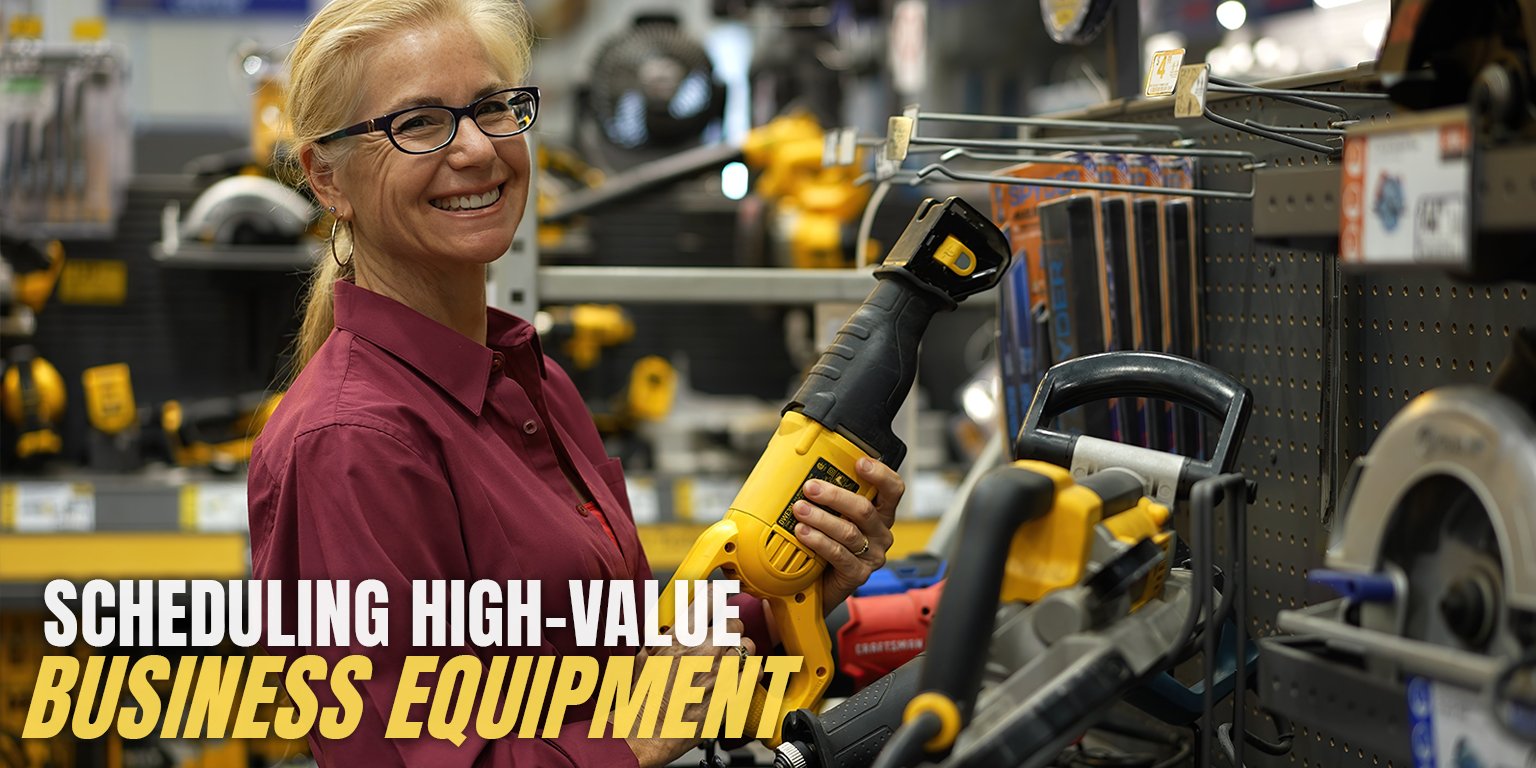
You've invested thousands in the specialized equipment that keeps your Central New York business running—from contractor tools to photography gear to point-of-sale systems. But when you review your commercial property policy, you notice a blanket limit that covers "business personal property" without itemizing your most valuable assets. Will your policy actually cover what you need if something happens?
At the Horan insurance agency, we work with Central New York businesses to explore coverage options for high-value equipment. As an independent agency working with multiple carriers, we can help you compare scheduled property endorsements and inland marine policies to see what might address your situation.
In this article, we'll explore when scheduling business property makes sense, how it differs from blanket coverage, and what documentation you'll typically need to list items individually on your policy.
Understanding Scheduled Business Property Coverage in Commercial Policies
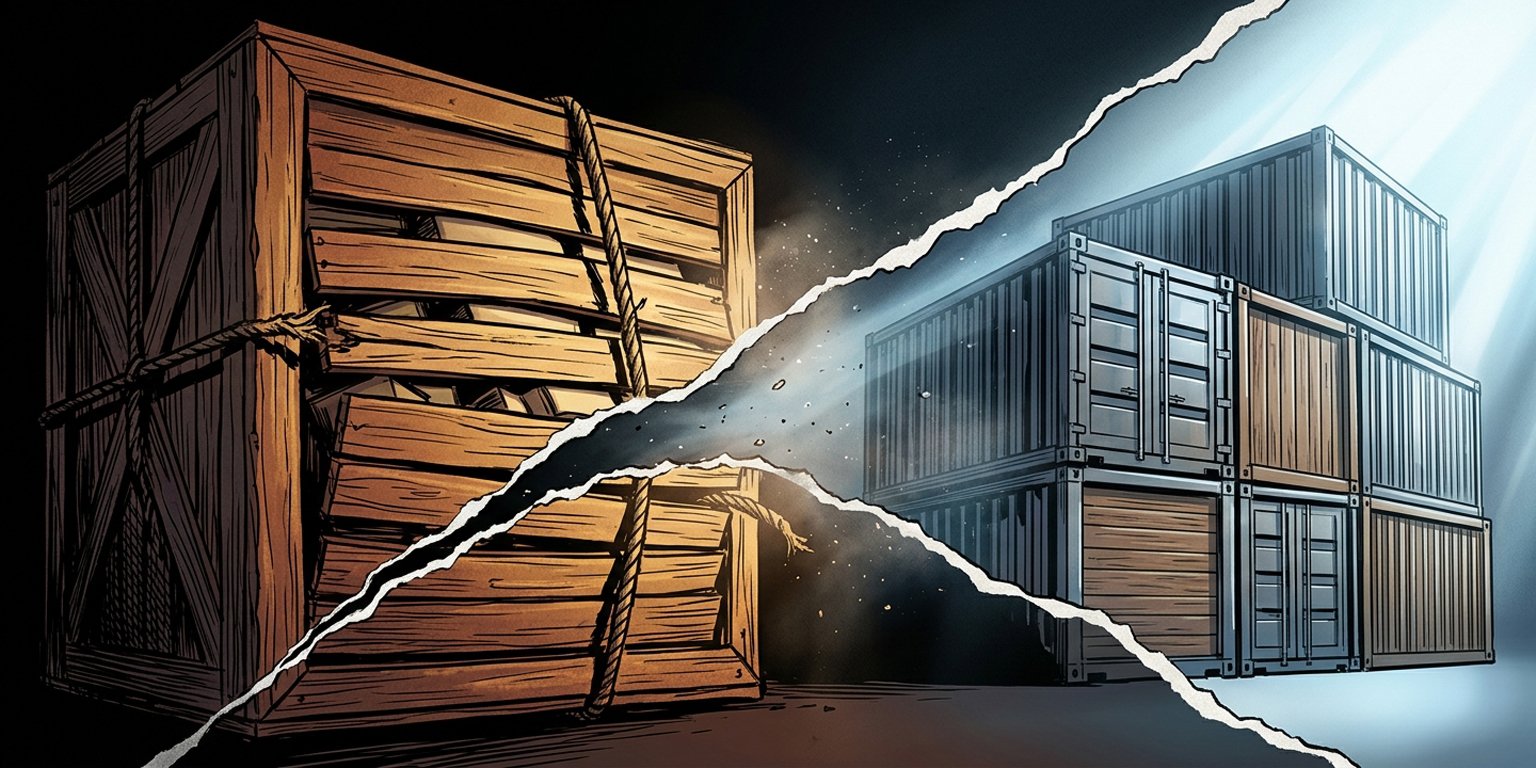
Scheduled business property coverage allows you to list specific items on your commercial policy with agreed values. Unlike blanket coverage that lumps all your business property together under a single limit, scheduling creates individual coverage for each item you list.
For example, a wedding photographer in Skaneateles might carry $40,000 worth of camera bodies, lenses, and lighting equipment. Rather than relying on a blanket business personal property limit of $25,000, scheduling each piece of equipment creates specific coverage for the full value of the gear.
Two main approaches handle scheduled business property in New York:
Business Owners Policy (BOP) endorsements add scheduled property coverage to your existing BOP. This works well for equipment you keep at your business location most of the time.
Inland marine policies cover mobile equipment that travels to job sites or client locations. Contractors, photographers, and mobile service businesses often use inland marine coverage because it follows the equipment wherever it goes.

Business Equipment That Benefits from Individual Scheduling
Not every item in your business needs scheduling. Computer mice, staplers, and basic office supplies work fine under blanket coverage. But certain equipment deserves individual attention on your policy:
- Professional equipment valued over $2,500 individually
- Specialized contractor tools used on job sites
- Camera and video production gear
- Medical and dental equipment
- Point-of-sale systems and computer servers
- Musical instruments for performance venues
- Surveying and testing equipment
Consider a general contractor in Cicero who owns a laser level worth $3,000, a table saw valued at $2,500, and an air compressor at $1,800. Scheduling these items individually creates specific coverage for each tool, while less expensive hand tools can stay under the blanket limit.
How Scheduled Coverage Differs from Blanket Business Property Limits
The difference between scheduled and blanket coverage affects what you receive after a loss.
Agreed value settlement stands out as the primary advantage of scheduling. When you schedule an item, you and the carrier agree on its value upfront. If the item is destroyed in a covered loss, you receive that agreed amount without depreciation arguments.
Blanket coverage occasionally uses actual cash value, which factors in depreciation. A three-year-old computer server that cost $8,000 new might receive only $4,500 under actual cash value due to depreciation. If you had scheduled it for $8,000, you'd receive the full amount.
Broader coverage territory often comes with scheduled items, especially through inland marine policies. Your equipment can stay covered when it travels to client locations or job sites—something that matters for mobile businesses throughout Onondaga County and beyond.
Having specific values already established often results in a simpler claims process. You don't need to prove the item's value after a loss because you've already documented it when scheduling the property.
Flexible deductible options often come with inland marine policies and scheduled property endorsements. While your main commercial policy might carry a $1,000 or $2,500 deductible, you can often choose a lower deductible for scheduled items—sometimes as low as $250 or $500. Many businesses prefer lower deductibles on their most valuable equipment to reduce out-of-pocket costs if those specific items are damaged or stolen.
However, scheduled coverage comes with requirements. You'll need to:
- Provide documentation of value (receipts, appraisals, or invoices)
- Update the schedule when you acquire new equipment
- Pay additional premium based on the value of scheduled items
When Scheduling Makes More Sense Than Blanket Coverage
Neither approach is inherently better—the right choice depends on your equipment value and how you use it.
Blanket coverage works well when:
- Most business property falls below $2,000 per item
- Equipment stays at your business location
- You replace tools and equipment frequently
- You prefer simpler policy management
Scheduling typically makes more sense when you need agreed value coverage without depreciation or when the equipment would be expensive to replace.
Some businesses use both approaches. A photography studio in Liverpool might schedule camera bodies and lenses while keeping light stands, backdrops, and props under blanket coverage.
Cost considerations matter too. Scheduling typically increases premium based on the value of listed items. An inland marine policy covering $30,000 in contractor equipment might cost $400–$600 annually, though rates vary based on the type of equipment and how you use it.
Documentation Required for Scheduling Business Property
Carriers need proof of value before they'll schedule business equipment. The documentation requirements vary based on the item and its value:
Receipts and invoices work for most equipment purchased within the past few years. Keep copies that show the purchase date, description, and amount paid.
Professional appraisals may be required for specialized equipment, antiques, or items worth more than $10,000. A written appraisal from a qualified appraiser establishes the item's value for insurance purposes.
Equipment serial numbers and photos help verify what you own. Take clear photos of each scheduled item and note serial numbers in your records.
When working with your agent, you'll typically provide:
- Detailed description of each item
- Serial numbers where applicable
- Purchase date and original cost
- Current value (if different from purchase price)
- Where the equipment is normally kept
Update your schedule whenever you acquire new equipment worth scheduling or dispose of scheduled items. Most carriers allow mid-term policy adjustments to add or remove scheduled property.
Avoiding Coverage Gaps with Your Scheduled Property
Even with scheduled coverage, some situations might create gaps in coverage:
Property in transit may need specific coverage depending on how you transport it. Inland marine policies typically cover equipment in vehicles, but verify this with your carrier.
Rented or leased equipment usually isn't covered under your policy—the rental company's coverage or your own equipment rental insurance addresses this.
Mysterious disappearance (when you can't explain how something went missing) may not be covered under some policies. If you work in environments where tools often disappear, discuss this coverage with your agent.
Consider a contractor working on a job site in Baldwinsville whose $2,000 nail gun disappears from an unsecured area. Without mysterious disappearance coverage, the claim might be denied because the contractor can't prove theft occurred.
Working with Your Insurance Agent to Schedule Business Property
Your licensed insurance agent can help you review equipment values and determine what might benefit from scheduling. The process typically involves:
- Inventory your business property and identify high-value items
- Gather documentation showing purchase dates and values
- Discuss coverage options including BOP endorsements versus inland marine
- Compare costs from different carriers for the coverage you're considering
- Review coverage limits and deductibles for scheduled items
- Establish a process for updating the schedule as your equipment changes
Remember that scheduling creates obligations beyond just paying premiums. You'll need to maintain accurate records, update the schedule when equipment changes, and notify your carrier of significant acquisitions.
Timing Your Coverage Decisions for Business Equipment
Don't wait until after a loss to discover you needed scheduled coverage. The time to review your equipment values is:
- When you acquire new equipment worth $2,500 or more
- Before your policy renewal if you've accumulated valuable tools
- When expanding your business into new locations
- After major equipment upgrades or replacements
Some businesses review scheduled property annually during policy renewal. Others update the schedule quarterly as they acquire new equipment throughout the year.
Getting Information About Scheduled Business Property Coverage
The decision to schedule business equipment depends on what you own, how you use it, and your concerns about depreciation in claims. Blanket coverage works for some businesses while others need the agreed value and broader coverage that comes with scheduling.
The Horan insurance agency works with businesses throughout Central New York to explore scheduled property options. We can review your equipment values, discuss coverage approaches from different carriers, and help you gather the documentation needed to schedule high-value items. Our independent agency model allows us to compare inland marine and BOP endorsement options to see what might work for your situation.
Click the Get a Quote button below to discuss your business equipment and explore whether scheduled property coverage might address your situation. We can review your current policy, identify potential coverage gaps, and help you make informed decisions about covering your business assets.

Topics: