
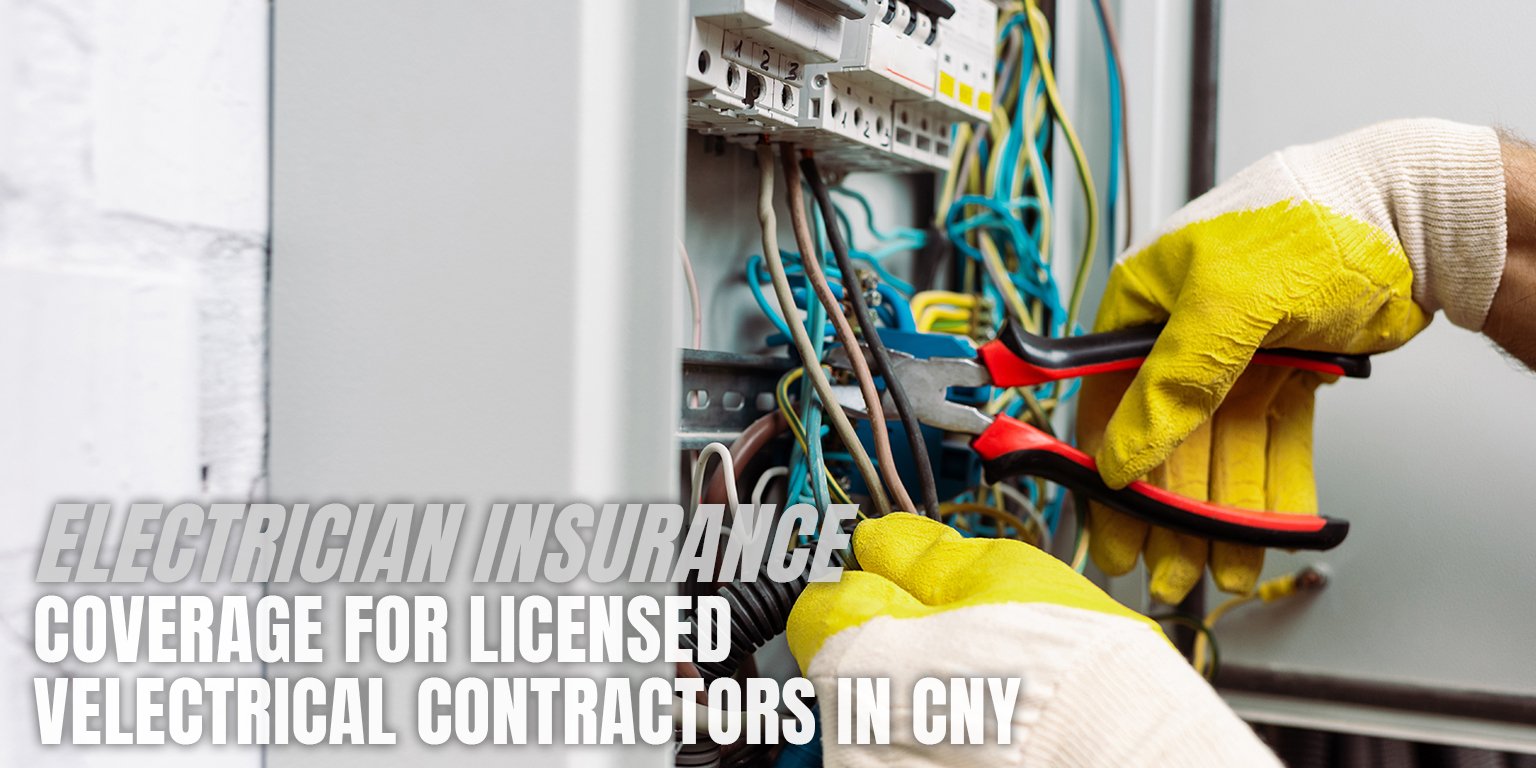
Say a Baldwinsville homeowner's house fire starts in the electrical panel. The investigation traces it to work you completed six months ago. Your general liability policy responds, but the claim exceeds your limits. Your business faces significant financial exposure from a single installation that seemed routine at the time.
At the Horan insurance agency, we work with licensed electrical contractors throughout Central New York who face unique liability concerns. Electrical work creates long-tail liability—problems can appear months or years after you finish a job.
We can assist in helping you explore coverage options that address the specific risks electrical contractors face, from immediate installation damage to completed operations claims that surface years later.
This article covers the coverage electrical contractors require, why electrical work creates distinct liability exposures, and how CNY electricians secure insurance that addresses both current operations and future claims.
Coverage Licensed Electrical Contractors Require
Your electrical contracting operation requires several types of coverage to address both immediate project risks and long-term liability from completed work.
General liability insurance covers property damage and bodily injury claims from your electrical work. When you're running wire through a Fayetteville office and accidentally damage drywall beyond the repair area, general liability responds. This coverage addresses fire damage traced to your installations, shock injuries to third parties, and property damage during electrical work.
Completed operations coverage becomes particularly important for electrical contractors. Unlike trades where problems appear immediately, electrical issues often surface months or years after you finish work. Say a panel installation seems fine at completion but causes a fire two years later—completed operations extends your liability coverage beyond the day you collect final payment.
Workers compensation remains mandatory in New York State for electrical contractors with employees. The coverage pays medical bills and lost wages when workers get hurt on the job. Electrical work involves shock hazards, ladder work, and confined space entry—all creating workers comp exposure.
Commercial auto insurance addresses your service vehicles and material transport requirements. Your personal auto policy won't cover business use of vehicles. Commercial auto covers accidents during service calls, damage while transporting wire and conduit, and liability when your van causes an accident en route to a job site.
Tools and equipment coverage addresses the specialized equipment electricians use. Multimeters, fish tape, conduit benders, and diagnostic equipment represent significant investments. When these items get stolen from your work vehicle, this coverage helps replace them.
Inland marine insurance covers expensive tools in vehicles and materials in transit. The thousands of dollars in tools electricians keep in service vans face theft risk, particularly when parked overnight at job sites or at your home.
Professional liability (E&O) insurance comes into play when you provide design work or engineering recommendations. If you specify a panel upgrade that proves inadequate for the customer's load requirements, or recommend a lighting layout that doesn't meet code, professional liability responds to claims your professional judgment caused financial loss.
Why Electrical Work Creates Unique Liability Concerns
Understanding why electrical contracting creates different liability exposures than other trades helps you grasp why certain coverage matters more for your operation.
Fire risk from faulty installations creates the most serious liability exposure electricians face. When an installation error causes a house fire years after you completed the work, the claim amounts can reach hundreds of thousands of dollars. Property damage, temporary housing costs, and personal property replacement all factor into these claims.
Code violations discovered later generate claims even when the customer seemed satisfied initially. Imagine a home inspection during a sale reveals your work doesn't meet current code requirements, killing the deal. The homeowner sues to recover their lost sale. Even if you followed code at the time of installation, proving compliance requires documentation you may not have kept.
Shock and electrocution injuries create immediate severe claims. When someone gets shocked by work you performed, medical bills mount quickly. Permanent injuries from electrical shock generate significant liability claims that can exceed standard coverage limits.
Property damage from power surges affects multiple items simultaneously. Say you're working on a Syracuse office building's electrical system and a power surge damages computers, servers, and electronic equipment throughout the building—a single error creates thousands of dollars in equipment damage claims.
Third-party claims develop when homeowners sue you after their insurance company pays their claim. Suppose the homeowner's carrier pays for fire damage traced to your electrical work, then exercises subrogation rights to recover their payout from you. These subrogation claims bring resources and legal expertise you might not face from individual homeowners.
Completed operations liability extends years beyond job completion. New York's statute of limitations for construction defects allows claims years after you finish work. Insurance you carried during the original installation might not respond if you didn't maintain continuous coverage or if you changed carriers without proper tail coverage.
NYS electrical code compliance requirements create standards against which your work gets judged. Code compliance isn't optional—violations create liability even when the customer asked you to cut corners or didn't want to pay for code-compliant work.
Common Claims Electrical Contractors Face
Knowing what actually generates claims helps you understand your risk exposure and why certain coverage limits matter.
Electrical fires traced to installations create the largest claims electricians face. Panel connections that loosen over time, improper wire sizing that creates heat buildup, or incorrect breaker sizing all cause fires that generate six-figure claims when they damage homes or commercial buildings.
Power surge claims damaging client equipment occur during both installation and service work. Say you're working on a Manlius medical office's electrical system and a surge damages diagnostic equipment worth $50,000—your liability coverage faces a significant claim.
Injuries during installation from shock or falls create workers comp and liability claims. If a helper gets shocked while you're troubleshooting a circuit, this generates a workers comp claim. When a property owner touches exposed wiring you're working on and gets injured, this creates a liability claim.
Damage to client property during installation happens despite careful work. Suppose fishing wire through walls damages plumbing you didn't know was there, or cutting into a ceiling to run conduit damages HVAC ductwork—these property damage claims fall under general liability coverage. For more information about this type of coverage, see our article on what insurance covers damaging client property.
Code violations discovered during home sales inspections generate claims when sellers lose buyers. Say an inspector flags your work as non-compliant, the buyer walks away, and the seller sues you for their lost sale and price reduction on the eventual sale.
Vehicle accidents during service calls create auto liability claims. If you're rushing to an emergency service call in Cicero and cause a rear-end collision, your commercial auto insurance responds, but the claim affects your rates and loss history.
Tool theft from vehicles happens frequently to electrical contractors. Service vans clearly marked with electrical company names become targets. When thousands of dollars in tools get stolen overnight, this creates a property claim against your inland marine coverage.
How Licensed Electrical Contractors Secure Coverage in CNY
Most electrical contractors find securing insurance more straightforward than height-risk trades, but licensed electricians still face specific underwriting considerations that affect coverage availability and cost.
Working with Independent Agencies
Independent insurance agencies with commercial contractor relationships provide access to multiple carriers who write electrical contractor coverage. Unlike captive agents who represent one company, independent agencies can compare options from several carriers.
Horan works with carriers in our panel who evaluate electrical contractors based on several factors:
- Licensing status—NYS master electrician license improves carrier appetite significantly
- Type of work—residential service calls present different risk than large commercial installations
- Loss history—clean claim history for both liability and workers comp improves options
- Revenue and employee count—larger operations may access better coverage options through contractor-focused carriers
- Safety practices—documented safety programs and continuing education demonstrate risk management
We can assist in helping you explore coverage options by accessing carriers that specialize in contractor coverage. Not every carrier offers the same rates or coverage breadth, so comparing options helps you find coverage that fits your operation.
Completed Operations Coverage Considerations
Given the long-tail liability electrical work creates, maintaining continuous completed operations coverage matters more for electricians than for many other trades.
Carriers prefer continuous coverage history. Gaps in coverage create questions about work performed during uncovered periods. If you cancel insurance for a slow winter and restart in spring, claims from work performed during the gap period might not have coverage.
Changing carriers requires attention to completed operations. Your new policy covers work performed after the effective date. Work completed under your prior carrier remains that carrier's responsibility—unless you let that policy lapse without tail coverage. Tail coverage extends completed operations coverage for work performed during a policy period even after you cancel that policy.
For electrical contractors, maintaining completed operations coverage for work performed years ago addresses fire claims or code violation claims that surface long after installation. This coverage deserves attention during any insurance change.
 Professional Liability for Design Work
If your electrical contracting includes system design, load calculations, or engineering recommendations, professional liability (E&O) insurance addresses errors in your professional judgment.
Professional liability covers financial losses from your advice or design rather than physical damage from your installations. When you recommend a panel size that proves inadequate and the customer must pay for a costly upgrade, professional liability responds. When your lighting design doesn't meet code and requires expensive revision, professional liability addresses the claim.
Not every electrical contractor requires professional liability—those doing basic residential service calls or working from engineers' plans may not face this exposure. However, contractors who design systems, make engineering recommendations, or take on design-build projects should consider this coverage.
 Licensing, Permits, and Insurance Coverage
Your licensing status and permit practices directly affect your insurance coverage and claims handling.
NYS electrical contractor licensing requirements create professional standards carriers expect you to meet. Operating without required licenses affects your insurance coverage—policies typically require legal business operation. Claims arising from unlicensed work may face coverage denial.
Master electrician versus journeyman status affects both your ability to operate independently and how carriers view your operation. Master electricians who own contracting businesses receive better underwriting consideration than journeymen attempting to operate independently without proper licensing.
Permit requirements affect coverage more than many electricians realize. Work performed without required permits creates code compliance questions when claims occur. If your installation causes a fire and investigators find you worked without permits, your coverage may respond differently than if all permits were properly obtained.
Carriers expect legal, permitted, code-compliant work. When claims involve unpermitted work or code violations, coverage issues can arise. Some policies include exclusions for work performed in violation of law or regulation—unpermitted electrical work potentially falls into this category.
Certificate requirements from general contractors create administrative requirements you'll face regularly when subcontracting. GCs require proof that you carry general liability insurance, workers compensation coverage, and often require you list them as additional insured on your policy before you start work.
Municipal contract insurance requirements often exceed standard coverage limits. Government projects frequently require $2 million or more in liability coverage, specific endorsements, and bond requirements that go beyond typical commercial work.
Residential vs. Commercial Electrical Work Coverage Differences
The type of electrical work you perform affects your coverage requirements and costs in several ways.
Residential service calls versus new construction create different risk profiles. Service work involves troubleshooting existing systems in occupied homes, creating different exposures than new construction where you're installing complete systems in unoccupied buildings.
Service work generates more frequent small claims from minor property damage during troubleshooting, while new construction creates larger project-specific risks.
Commercial and industrial electrical work typically requires higher coverage limits. Commercial property values exceed residential, and commercial property damage claims can involve business interruption losses that residential claims don't include. Say a power surge in a Syracuse manufacturing plant shuts down production—this creates far larger claims than residential equipment damage.
Emergency service calls create both opportunity and risk. Offering 24/7 emergency electrical service generates revenue but also creates after-hours exposure. Vehicle operation late at night, troubleshooting in urgent situations, and working without ideal conditions all increase risk during emergency calls.
When commercial work requires additional endorsements or higher limits, factor these insurance costs into your commercial bidding. A municipal contract requiring $5 million in coverage costs more to insure than residential work requiring $1 million.
Coverage Limits Electrical Contractors Should Consider
Understanding typical coverage limits and when you might need higher amounts helps you make informed insurance decisions.
Residential service work typically uses $1 million in general liability coverage as the baseline. Most homeowners accept this limit for residential electrical work. However, some contractors carry $2 million to avoid needing coverage increases for occasional commercial work.
Commercial and industrial projects often require $2 million or more in liability coverage. Before bidding commercial electrical work, verify the insurance requirements so you can factor any additional premium into your bid. General contractors and property owners often specify minimum coverage amounts in their contracts.
Completed operations aggregate limits deserve particular attention from electrical contractors. Your general liability policy includes two key limits: per-occurrence (the maximum paid for one claim) and aggregate (the maximum paid for all claims during the policy period). Some policies include a separate completed operations aggregate limiting total payouts for claims arising from finished work.
Given that electrical work creates long-tail liability, high completed operations aggregate limits matter more for electricians than for contractors whose work either succeeds or fails immediately.
Why electricians should consider high completed ops limits: Fire claims from electrical work can reach hundreds of thousands of dollars. Multiple completed operations claims during one policy period could exhaust your aggregate limit, leaving you without coverage for additional claims that year.
Umbrella coverage for fire risk exposure provides affordable additional limits. An umbrella policy sits above your general liability and provides additional coverage after your primary policy limits exhaust. For electrical contractors facing potential fire liability, umbrella coverage makes higher limits affordable.
Workers comp rates for electrical contractors fall mid-range compared to other construction trades. You pay more than office workers but less than roofers or scaffold-heavy trades. Your actual premium depends on your payroll and your experience modification factor (a multiplier based on your claim history compared to similar contractors).
 CNY-Specific Considerations for Electrical Contractors
Central New York's climate, building stock, and market create specific considerations for electrical contractors operating in this region.
Winter service calls present unique challenges. Frozen pipe situations often involve electrical components—pumps, heating cables, or temporary heating units. CNY's harsh winters create emergency electrical service demand that generates both revenue and risk.
Rural versus urban electrical work affects your operation and insurance. Rural Onondaga County properties may involve well pumps, irrigation systems, and outbuilding wiring that urban Syracuse properties don't include. Rural work also means longer travel times for service calls, affecting your efficiency and auto liability exposure.
Syracuse and Utica commercial market opportunities exist for licensed electrical contractors who can handle larger projects. Commercial and industrial facilities in these cities need electrical contractors for maintenance, upgrades, and new construction. These opportunities require higher insurance limits but also generate substantial revenue.
Seasonal construction patterns affect CNY electrical contractors less than outdoor trades but still create workload variations. New construction electrical work slows during winter when building activity drops. However, service work and interior commercial projects continue year-round, smoothing your revenue compared to exterior-only trades.
Emergency storm service creates demand spikes after severe weather. When ice storms knock out power across Central New York, emergency electrical service calls spike dramatically. Having adequate insurance coverage in place before storm season starts ensures you can respond to these revenue opportunities without coverage gaps.
Working with Horan for Electrical Contractor Coverage
The Horan insurance agency works with licensed electrical contractors throughout Central New York who require coverage that addresses both current operations and completed work liability.
We have access to carriers that specialize in contractor coverage and understand electrical contractor risks. While we can't guarantee coverage for every electrical contractor, we can explore options with the carriers in our panel. Our carriers evaluate based on your licensing, work type, loss history, and safety practices rather than making decisions solely on contractor classification.
Certificate management support helps you respond to general contractor and property owner requests efficiently. When you need certificates for multiple projects, we can help you manage these administrative requirements so you focus on electrical work rather than paperwork.
Completed operations coverage guidance helps you maintain appropriate long-tail liability coverage. We can discuss your coverage history and help you understand how changing carriers or modifying coverage affects your coverage for claims on past work.
Setting realistic expectations about coverage costs helps you budget appropriately. Electrical contractor insurance costs less than height-risk trades but more than low-risk service businesses. We can assist in helping you explore coverage options while providing transparent information about market pricing for electrical contractors in New York.
Licensed electrical contractors face liability that extends well beyond project completion. Understanding your coverage requirements, maintaining continuous completed operations coverage, and working with resources that understand contractor insurance helps you address both immediate project risks and long-term liability from your electrical installations.
Click the Get a Quote button below to discuss your electrical contractor insurance requirements and explore coverage options available through our carrier network.

Topics: