
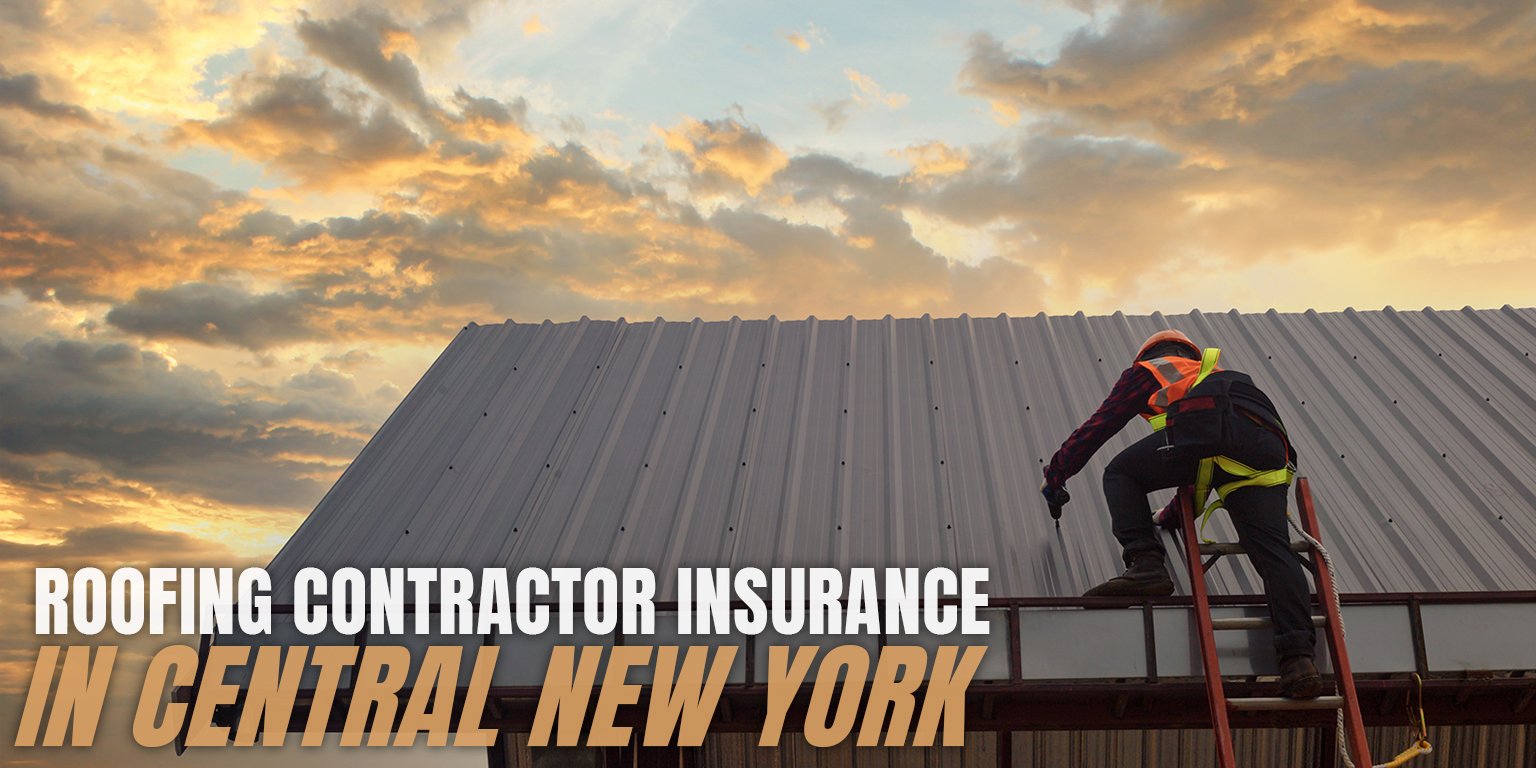
You can install a roof that lasts 30 years. But when you call for insurance quotes, carriers either decline or quote rates three times what your Pennsylvania competitors pay. The problem isn't your skills or safety record—it's New York's Scaffold Law and height-risk classification.
At the Horan insurance agency, we work with Central New York roofing contractors seeking coverage options. We have access to carriers in our panel who evaluate height-risk contractors, and we can assist in helping you explore coverage that addresses your business requirements.
For detailed coverage of how NY's Scaffold Law creates insurance challenges for height-risk contractors, see our guide to NY Scaffold Law. This article focuses on roofing-specific coverage requirements and how successful CNY roofers secure insurance.
Coverage Roofing Contractors Require in Central New York
Your roofing operation requires several types of coverage to address the risks you face during installations, tear-offs, and warranty callbacks.
General liability insurance covers property damage and bodily injury claims from your roofing work. When you're installing shingles on a Baldwinsville colonial and a bundle slides off damaging the homeowner's deck furniture, general liability responds. This coverage also addresses falling materials that hit vehicles parked nearby, damage to adjacent property like siding or gutters during installation, and injuries to people who aren't your employees.
Workers compensation remains mandatory in New York State for roofing contractors with employees. The coverage pays medical bills and lost wages when workers get hurt on the job. Given that roofing involves constant height work, this coverage typically costs more for roofers than for ground-level contractors.
Commercial auto insurance becomes necessary when you haul materials to job sites or use truck-mounted equipment. Your personal auto policy won't cover business use of vehicles. Commercial auto addresses accidents during material pickup from suppliers, damage while transporting shingles and underlayment, and liability when your work truck causes an accident.
Tools and equipment coverage addresses the specialized equipment roofers use daily. Pneumatic nailers, compressors, safety harnesses, and hot tar kettles represent significant investments. When these items get stolen from a job site, this coverage helps replace them.
Completed operations coverage extends your liability coverage beyond the day you finish installation. When a homeowner calls six months later reporting a leak traced to your installation, completed operations coverage responds. This becomes particularly important for roofing work since problems sometimes don't appear until weather conditions change.
Inland marine insurance covers materials while they're in transit to job sites. Shingles, underlayment, and other roofing materials sitting in your truck overnight or stored at a job site face theft and damage risks that standard policies don't address.
Common Roofing Claims CNY Contractors Face
Understanding typical claims helps you recognize why carriers view roofing as high-risk and why premiums reflect these concerns.
Property damage during installation creates frequent claims. Breaking a skylight while working around it, damaging gutters during shingle removal, or cracking vinyl siding when moving ladders all generate liability claims. These incidents happen despite careful work because roofing involves working around numerous home features.
Water infiltration during tear-offs presents a constant risk in Central New York. When you remove old shingles from a Liverpool ranch and a sudden thunderstorm rolls in before you complete the underlayment, water damage to ceilings and belongings creates claims. CNY's unpredictable weather makes this scenario common during roofing season.
Falling debris causes claims even with precautions in place. Say a bundle of shingles shifts and falls, hitting a vehicle parked in the driveway—this generates a property damage claim. Tools that slip from roof edges, damaging landscaping or hitting someone below, create bodily injury exposure.
Hot tar burns occur during flat roof and commercial roofing work. When tar splatters onto a vehicle, building surface, or—worse—causes burns to a person, serious claims result. The severity of burn injuries makes these claims particularly concerning.
Wind damage to unsecured materials creates liability when your materials cause damage. If tarps come loose overnight and damage neighbor property, or shingles staged on the roof blow off during unexpected winds, these incidents generate claims against your policy.
Ice dam complications add another layer of Central New York risk. When you complete a roof installation in October and ice dams form that winter, homeowners sometimes claim the installation caused the problem. Even when installation was proper, defending these claims costs money.
How CNY Roofers Secure Coverage Despite Height-Risk Classification
Securing insurance as a roofing contractor in New York presents challenges many other trades don't face. Height-risk classification and Scaffold Law exposure make some carriers reluctant to write roofing operations. However, successful CNY roofers use several approaches to secure the coverage they require.
State Insurance Fund (NYSIF) for Workers Compensation
The New York State Insurance Fund serves as the insurer of last resort for workers compensation. NYSIF must accept all applicants who meet basic requirements, making it a viable option when private carriers decline height-risk contractors.
NYSIF coverage comes with specific considerations. Owner payroll calculation uses fixed standard amounts rather than actual wages, which can affect premium calculations. Premiums typically run higher than private market options, but guaranteed coverage often outweighs cost concerns when you need workers comp to operate legally.
When private carriers decline your workers comp application due to your roofing classification, NYSIF provides the coverage New York law requires you to carry.
Independent Agencies with Construction Focus
Not all carriers decline roofing contractors. Carrier appetite for height-risk work varies, and independent agencies with construction relationships can access carriers that may write roofing operations.
Horan works with carriers in our panel who evaluate based on several factors beyond just your contractor classification:
- Safety programs and OSHA compliance demonstrate your commitment to preventing injuries
- Project types matter—residential reroofing presents different risk than commercial work
- Loss history shows carriers how your operation has performed
- Business structure, including years in operation and size of crew, helps carriers assess stability
We can assist in helping you explore coverage options by accessing carriers that may write roofing contractors based on your specific situation. Not every carrier writes roofers, but we can explore your options with the carriers in our network.
Safety Programs That Improve Carrier Appetite
Demonstrating robust safety measures improves your chances of securing coverage at better rates. OSHA fall protection compliance shows carriers you follow required safety standards. Documented safety training for all crew members, including new hires and seasonal workers, indicates systematic safety practices.
Regular safety meetings that you document create evidence of ongoing safety focus. When you hold weekly toolbox talks about fall protection, weather awareness, and equipment inspection, carriers see active risk management.
A clean loss history provides the strongest evidence that your safety programs work. Carriers prefer contractors who haven't filed workers comp claims or liability claims in recent years. If you do have claims, being able to show what you changed afterward to prevent similar incidents helps carriers see you as a learning organization.
Residential vs. Commercial Roofing Coverage Considerations
The type of roofing work you perform affects your coverage options and costs in ways many contractors don't realize.
New York's Scaffold Law includes a specific exemption for one- and two-family dwellings that are owner-occupied. This exemption means residential-only roofing operations may have better carrier options than those doing commercial work. When you limit your work to residential reroofing on owner-occupied single-family homes in Cicero and Manlius, you avoid some of the Scaffold Law absolute liability that makes carriers reluctant to write coverage.
Commercial roofing faces higher premiums because commercial projects involve larger buildings, longer project timelines, and higher liability limits requirements. A strip mall reroofing project in Syracuse creates more exposure than a residential colonial, both in terms of property value at risk and potential liability if something goes wrong.
Multi-story commercial buildings receive heightened underwriting scrutiny. The higher the building, the greater the fall risk and the more concerned carriers become. Three-story apartment building work generates different carrier responses than single-story commercial warehouses.
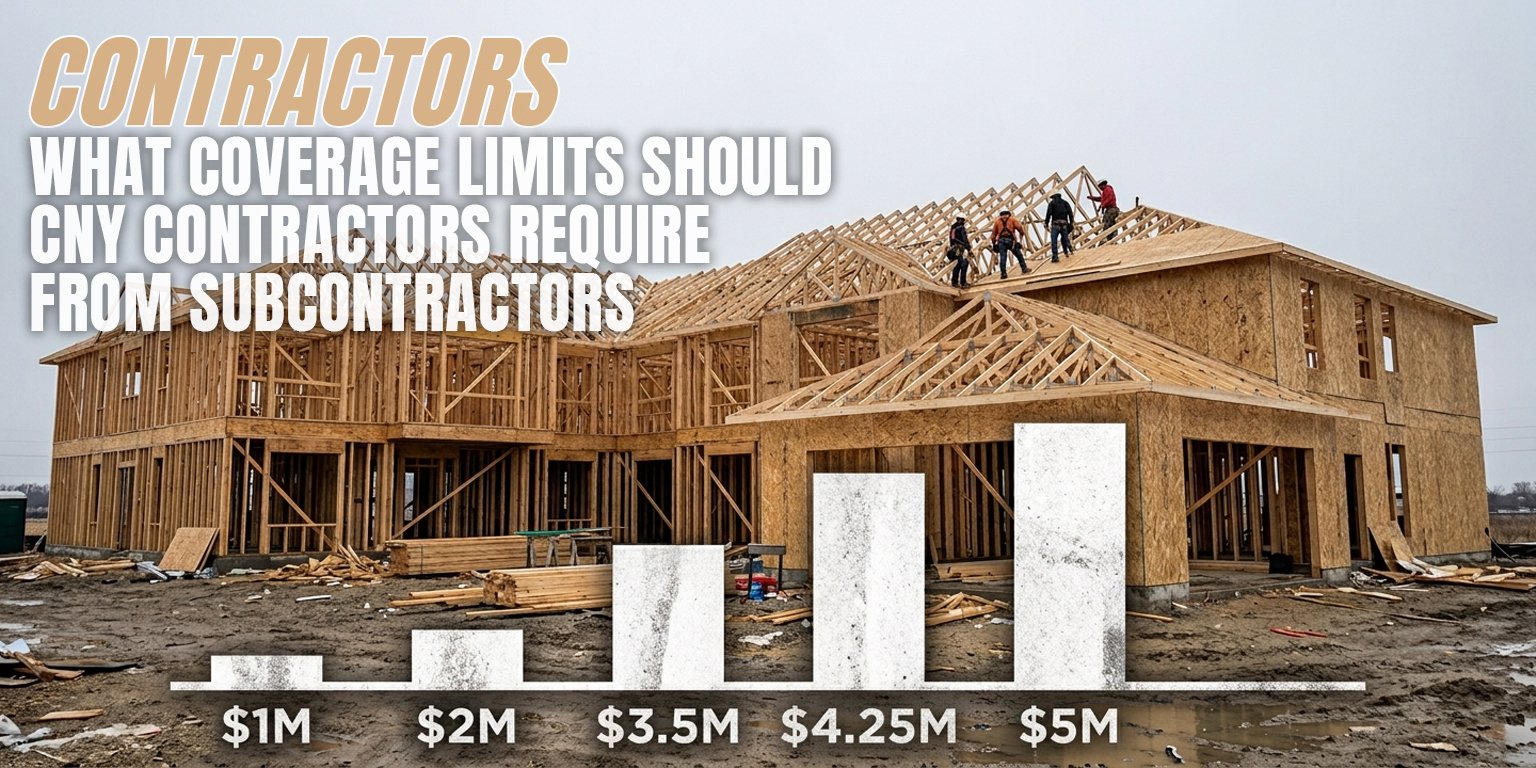
Coverage limit differences based on project type also affect your insurance. General contractors hiring you often require $2 million in liability coverage for commercial projects, while residential work typically requires $1 million. These limit differences affect your premium calculations and your ability to qualify for certain jobs.
Coverage Limits and Costs for Roofing Contractors
Understanding typical coverage limits and cost factors helps you budget for insurance and make informed decisions about coverage purchases.
For residential reroofing work, $1 million in general liability coverage represents the typical baseline. Most homeowners find this limit acceptable for residential projects. However, some contractors carry $2 million to avoid having to increase coverage when they occasionally take commercial jobs.
Commercial projects often require $2 million or more in liability coverage. General contractors hiring subcontractors typically specify minimum coverage amounts in their contracts. Before bidding commercial work, verify the insurance requirements so you can factor any additional premium into your bid.
Umbrella coverage becomes essential when your project size or contract requirements exceed your standard liability limits. An umbrella policy sits above your general liability and provides additional coverage after your primary policy limits exhaust. For roofing contractors taking larger commercial projects, umbrella coverage makes higher limits affordable.
Workers comp rates by classification run steep for roofers. New York's workers comp system uses classification codes that reflect injury risk levels. Roofing classifications carry some of the highest rates because of fall risk. Actual premium depends on your payroll, so a one-person roofing operation pays less than a crew of eight, but the rate per $100 of payroll remains high for all roofing work.
General liability premiums in New York run 30% or higher compared to other states. The combination of Scaffold Law exposure and New York's litigation environment makes carriers charge more for the same coverage they sell elsewhere. A roofing contractor doing $500,000 in annual revenue might pay $8,000-$12,000 for general liability in New York versus $5,000-$7,000 in Pennsylvania.
Actual costs vary based on your revenue, project types, safety record, and claims history. Getting quotes from multiple sources helps you understand the market for your specific situation.
 CNY Seasonal Considerations for Roofing Coverage
Central New York's weather patterns create unique insurance considerations for roofing contractors that affect both when you work and how you maintain coverage.
Weather-dependent work means your peak season typically runs April through November. Installing shingles requires temperatures above certain thresholds for proper adhesion, and working in snow and ice creates obvious safety issues. This concentrated work season affects your revenue patterns and insurance requirements.
Winter shutdown periods create a coverage question many roofers face: should you cancel coverage during months you're not working? The short answer is no. Maintaining year-round coverage makes sense for several reasons.
Spring storm season creates emergency repair work spikes. When March wind storms damage roofs across Onondaga County, homeowners call for emergency tarping and repairs. If you dropped coverage for winter, you can't respond to this early-season revenue opportunity.
Year-round policy versus seasonal coverage saves money in the long run. Canceling coverage for four months and restarting it creates gaps in your completed operations coverage, costs administrative fees, and can affect your rates when you restart. Carriers prefer continuous coverage because it demonstrates stability.
Property coverage when not operating remains important. Even when you're not installing roofs, you have inventory at your shop, tools in storage, and equipment that requires coverage. Business property insurance continues covering these assets regardless of season.
Completed operations coverage responds to claims on finished work even during months you're not actively working. Say you installed a roof in October and a problem develops in February—completed operations coverage addresses warranty work and callbacks that occur outside roofing season. Maintaining this coverage year-round ensures continuous protection.
 Subcontractor Requirements and Certificate Management
Understanding subcontractor insurance requirements helps you manage relationships with helpers and comply with general contractor demands.
When you hire helpers or subcontractors, their insurance status affects your coverage and compliance. If you hire workers and don't carry workers comp, New York considers them your employees and you face significant penalties. For more details on this topic, see our article on why subcontractors need NY workers comp.
Certificate requirements from general contractors become routine when you work as a subcontractor on larger projects. GCs require proof that you carry general liability insurance, workers compensation coverage, and often that you list them as additional insured on your policy. Understanding the importance of being listed as additional insured helps you grasp why GCs make this requirement.
Managing certificate requests efficiently keeps projects moving. When a GC needs your certificate before you can start work, delays in providing it cost you money. Working with an agency that can quickly produce certificates helps you respond to opportunities without administrative delays.
Property owners sometimes request certificates even for residential work. Homeowners who understand insurance may ask for proof of coverage before letting you start their roof replacement. Having certificates readily available demonstrates professionalism and gives customers confidence in your operation.
Working with Horan for Roofing Coverage
The Horan insurance agency works with contractors facing roofing insurance challenges throughout Central New York.
We have access to carriers that may write height-risk contractors based on your specifics. While we can't guarantee coverage for every roofing operation, we can explore options with the carriers in our panel. Some carriers in our network evaluate roofing contractors based on safety programs, loss history, and project types rather than automatically declining all height-risk work.
We can assist with NYSIF applications when private market coverage isn't available. Understanding the State Insurance Fund application process and helping you navigate the paperwork saves time when you need to secure workers comp coverage quickly to start a project.
Certificate management support helps you respond to general contractor and property owner requests without delays. When you need certificates for multiple jobs, we can help you manage these administrative requirements so you can focus on roofing work rather than paperwork.
Setting realistic expectations matters in this market. Not every carrier writes roofers, and those that do may not offer the same rates contractors in other trades receive. We can assist in helping you explore coverage options while being honest about market conditions for height-risk contractors in New York.
Roofing in Central New York involves enough challenges without insurance adding to your concerns. Understanding your coverage requirements, knowing your options for securing insurance despite height-risk classification, and working with resources that understand the market helps you approach insurance as a manageable business requirement rather than an obstacle.
Click the Get a Quote button below to discuss your roofing insurance requirements and explore coverage options available through our carrier network.

Topics: