
Say your HVAC company installed a new furnace in Syracuse in October. In January, during the coldest week of the year, carbon monoxide from a faulty installation sends a family to the hospital. Your liability insurance responds, but the claim—and the media attention—threatens your business reputation and financial stability.
At the Horan insurance agency, we work with Central New York HVAC contractors who face unique combinations of property damage, bodily injury, and environmental liability.
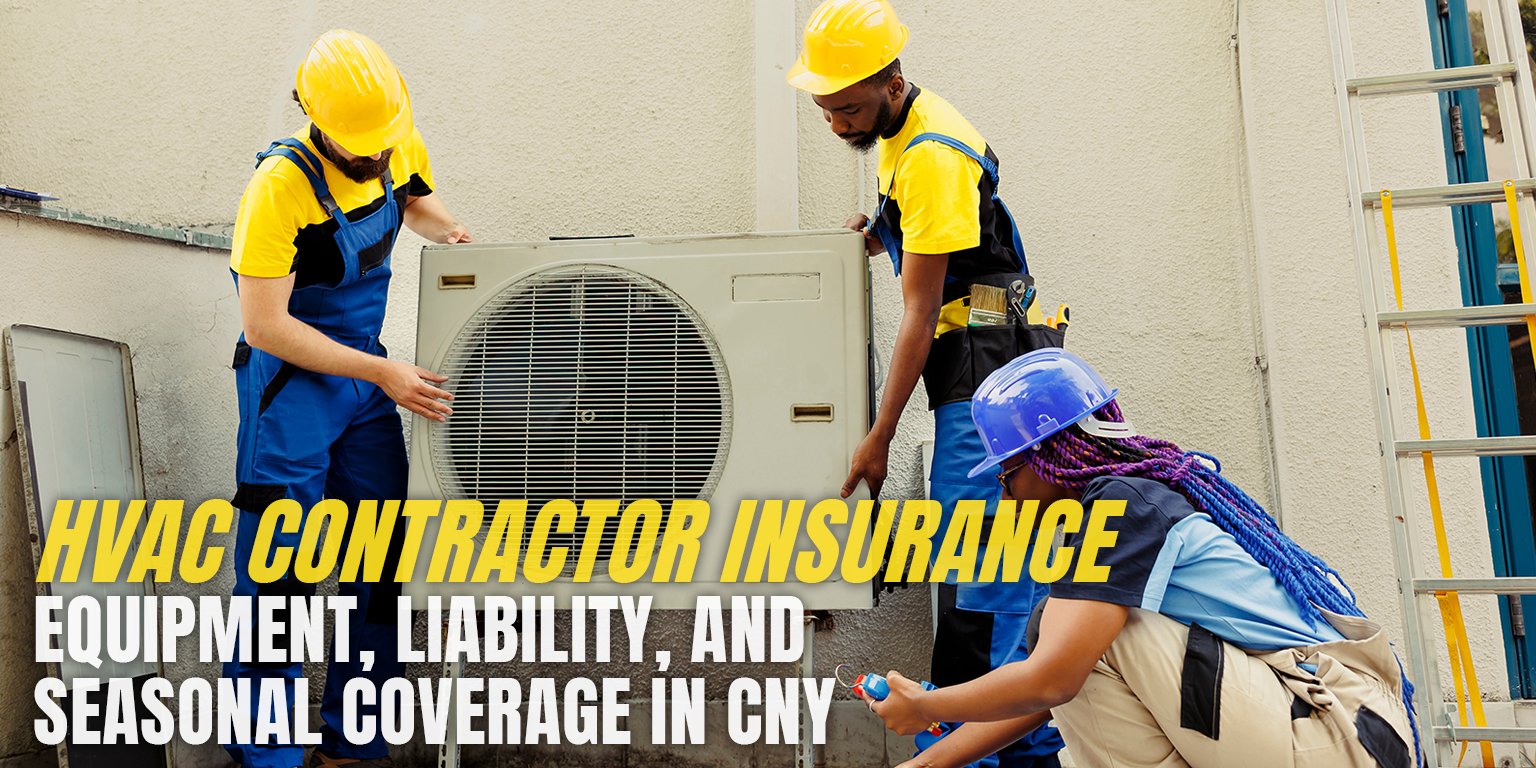
HVAC work involves combustion systems creating carbon monoxide risk, refrigerant handling with EPA requirements, and expensive diagnostic equipment requiring specialized coverage. We can assist in helping you explore coverage options that address the specific exposures heating, ventilation, and air conditioning contractors face.
This article covers the coverage HVAC contractors require, the unique liability carbon monoxide and refrigerant create, and how CNY HVAC businesses secure insurance that addresses both seasonal demand fluctuations and specialized equipment requirements.
Coverage HVAC Contractors Require
Your HVAC contracting operation requires several types of coverage to address combustion risks, refrigerant liability, equipment investments, and completed operations exposure.
General liability insurance covers property damage and bodily injury claims from your HVAC work. When you're installing a new air handler in a Camillus home and accidentally damage ductwork or ceilings during installation, general liability responds. This coverage addresses property damage during installations, bodily injury from carbon monoxide exposure, and third-party claims from your work.
Completed operations coverage becomes critical for HVAC contractors because furnace and air conditioning problems often surface after installation. Say a furnace installation seems fine at completion but develops a carbon monoxide leak during the first cold snap—completed operations extends your liability coverage beyond the day you collect final payment. Given the potential severity of CO claims, this coverage deserves particular attention from HVAC contractors.
Workers compensation remains mandatory in New York State for HVAC contractors with employees. The coverage pays medical bills and lost wages when workers get hurt on the job. HVAC work involves lifting heavy equipment, working on rooftops, refrigerant exposure, and confined space entry—all creating workers comp exposure.
Commercial auto insurance addresses your service vehicles and equipment transport. Your personal auto policy won't cover business use of vehicles. Commercial auto covers accidents during service calls, damage while transporting furnaces and air handlers, and liability when your service van causes an accident.
Tools and equipment coverage addresses the specialized and expensive equipment HVAC contractors use. Thermal imaging cameras, refrigerant recovery equipment, vacuum pumps, manifold gauges, and combustion analyzers represent significant investments. When these items get stolen from your vehicle, this coverage helps replace them.
Inland marine insurance covers expensive tools in vehicles and materials in transit. HVAC contractors often carry thousands of dollars in diagnostic and service equipment in their vans. Theft from vehicles parked overnight at job sites or at your home creates substantial loss exposure.
Pollution liability coverage addresses refrigerant handling and EPA requirements. When you're recovering, recycling, or charging refrigerant systems, pollution liability covers claims from refrigerant releases. Standard general liability policies typically exclude pollution-related claims, making this separate coverage important for HVAC contractors.
Professional liability (E&O) insurance comes into play when you design systems, perform load calculations, or make equipment sizing recommendations. If you specify a furnace that proves undersized for the heating load, or design a ductwork layout that doesn't distribute air properly, professional liability responds to claims your professional judgment caused financial loss.
Carbon Monoxide and Combustion Risks
Understanding why furnace work creates severe bodily injury liability helps you recognize the importance of high liability limits and proper installation procedures.
Faulty furnace installations creating CO poisoning represent the most serious liability HVAC contractors face. Carbon monoxide is colorless, odorless, and deadly. When installation errors create CO leaks that sicken or kill occupants, the severity of these claims dwarfs typical property damage claims.
Bodily injury claims severity from CO exposure escalates quickly. Hospital treatment for CO poisoning, permanent health effects from exposure, wrongful death claims when fatalities occur—these claims can reach hundreds of thousands or millions of dollars. A single serious CO incident can exceed standard liability limits and threaten your business survival.
Venting issues in CNY older homes create installation challenges that increase risk. Central New York's housing stock includes many homes built before modern venting standards. Installing new high-efficiency furnaces in homes with inadequate venting, shared chimneys, or structural issues creates CO risk even when your installation follows manufacturer specifications.
Media attention amplifies reputation damage from CO incidents. When carbon monoxide poisoning sends a family to the hospital, local news coverage creates public awareness that damages your business reputation beyond the direct claim cost. Prospective customers searching your business name find news articles about the incident, affecting your ability to generate new business.
Why HVAC contractors require high bodily injury limits: Given the potential severity of CO claims, $1 million in liability coverage may prove insufficient. Many HVAC contractors carry $2 million in general liability plus umbrella coverage to provide adequate cushion against catastrophic CO claims.
Completed operations extends years beyond installation. Say you install a furnace that functions properly for two years, then develops a CO leak—completed operations coverage responds even though the installation occurred years ago. For HVAC contractors, maintaining continuous completed operations coverage addresses long-tail CO liability.
Refrigerant Handling Liability
EPA regulations and environmental exposure create a second unique liability area for HVAC contractors that requires specialized coverage attention.
EPA Section 608 certification requirements mandate proper refrigerant handling. Anyone working with refrigerant systems must hold EPA certification demonstrating knowledge of proper recovery, recycling, and disposal procedures. Operating without proper certification creates both legal issues and potential coverage complications.
Refrigerant release creates environmental violations and financial penalties. When refrigerant escapes during service work or installation, EPA regulations impose fines for improper handling. Beyond regulatory penalties, refrigerant releases can create pollution liability claims that standard general liability excludes.
Pollution liability coverage for refrigerant addresses exposures standard policies don't cover. Say a refrigerant leak from your work contaminates a building's HVAC system or affects adjacent properties—pollution liability responds to claims standard general liability typically excludes through pollution exclusions.
R-22 phaseout complications affect older system service. The phaseout of R-22 refrigerant creates challenges when servicing older air conditioning systems. Limited refrigerant availability, high costs for remaining supplies, and conversion requirements all create customer relations issues and potential liability when systems can't be properly serviced.
Newer refrigerants bring different handling requirements. R-410A, R-32, and other replacement refrigerants have different pressure characteristics, handling procedures, and safety considerations. Staying current on proper handling for various refrigerants prevents errors that could create liability.
Recovery equipment requirements create additional expense. EPA regulations require proper refrigerant recovery equipment for different refrigerant types. This equipment represents significant investment that should be covered through tools and equipment coverage.
 Common HVAC Claims CNY Contractors Face
Knowing what actually generates claims helps you understand your risk exposure and why certain coverage deserves priority.
Carbon monoxide poisoning from installations creates the most serious claims. Improper venting, backdrafting furnaces, cracked heat exchangers not caught during installation, or combustion air supply issues all can cause CO leaks that sicken occupants. These bodily injury claims can exceed property damage claims by orders of magnitude.
Refrigerant leaks causing property damage occur during installation and service work. Say you're installing a new air conditioning system in a Fayetteville office building and refrigerant leaks into the building's ventilation system, requiring extensive cleaning and remediation—this creates a significant property damage claim.
Water damage from condensate line issues generates frequent claims. Air conditioning systems produce condensate that must drain properly. When condensate lines clog, disconnect, or freeze, water damage to ceilings, walls, and belongings results. A condensate leak that goes unnoticed for days in a finished basement can create $15,000+ in damage.
Electrical damage from improper wiring creates both immediate and long-term liability. If incorrect wiring during furnace installation causes a power surge that damages the homeowner's electronics, or creates a fire hazard discovered later, these claims fall under your general liability coverage.
Roof damage during rooftop unit installation or service happens despite careful work. Commercial HVAC work often involves rooftop equipment. Damaging roofing membranes during equipment placement, causing leaks from improper curb installation, or damaging adjacent rooftop equipment creates property damage claims.
Ductwork damage during installation affects air distribution. Say you're installing a new furnace and damage existing ductwork, causing poor air distribution and comfort complaints—the cost to access and repair ductwork in finished spaces creates claims even when the furnace itself works properly.
Vehicle accidents during service calls create auto liability claims. If you're rushing to an emergency no-heat call in Liverpool during a snowstorm and cause an accident, your commercial auto insurance responds, but the claim affects your rates and loss history.
Seasonal Demand and Coverage Considerations
Central New York's extreme seasonal temperature swings create unique workload patterns that affect your insurance requirements and risk exposure.
CNY winter heating emergencies create December-February demand spikes. When temperatures plunge below zero and furnaces fail, emergency service calls spike dramatically. Syracuse, Oswego, and surrounding areas experience some of the coldest temperatures in New York, creating intense demand for emergency heating service.
Summer AC demand generates July-August workload peaks. Central New York's humid summers create air conditioning demand that peaks during heat waves. When temperatures reach the 90s with high humidity, AC failures generate emergency service calls and installation requests.
Shoulder season slower periods occur during spring and fall. April-May and September-October bring moderate temperatures that reduce HVAC service demand. These slower periods create cash flow considerations but don't eliminate insurance requirements.
Year-round coverage makes sense even during slow seasons for several reasons. Maintaining continuous coverage ensures completed operations coverage remains in force for work performed during busy seasons. Coverage gaps create questions about work performed during uncovered periods and can affect your rates when you restart coverage.
Emergency service calls continue year-round despite seasonal patterns. Even during shoulder seasons, equipment failures occur requiring service. Maintaining coverage year-round ensures you can respond to service opportunities without coverage gaps.
Peak season inventory increases require adequate property coverage. During busy seasons, you maintain larger inventories of furnaces, air conditioners, and parts. Your business property coverage should reflect these seasonal inventory variations to avoid being underinsured during peak periods.
For more information about managing seasonal coverage, see our article on peak season coverage.
Residential vs. Commercial HVAC Coverage Differences
The type of HVAC work you perform affects your coverage requirements, liability exposure, and insurance costs in several ways.
Residential furnace and AC service creates different exposures than commercial work. Residential HVAC involves smaller systems, working in occupied homes, and direct customer interaction. Carbon monoxide risk exists in residential furnace work, but commercial projects bring different liability considerations.
Commercial rooftop units involve height work and larger systems. When you're servicing or installing rooftop HVAC equipment on Syracuse office buildings or Utica warehouses, you face height-related risks and larger equipment that creates different installation challenges. Commercial work also typically requires higher liability limits.
Industrial process cooling and heating requires specialized expertise. Manufacturing facilities, food processing plants, and industrial operations have HVAC requirements beyond standard comfort systems. These specialized systems create higher liability exposure and may require additional coverage endorsements.
When commercial work requires higher limits, verify requirements before bidding. Commercial property owners and general contractors often require $2 million in liability coverage, specific endorsements, and additional insured status. Factor these insurance costs into commercial project bids.
Scaffold Law implications for rooftop work affect commercial HVAC contractors. When your work involves heights on commercial buildings, New York's Scaffold Law creates absolute liability for height-related injuries. For more information, see our guide to NY Scaffold Law.

Equipment and Tool Coverage Considerations
HVAC contractors invest heavily in diagnostic and service equipment that requires proper insurance coverage to replace when stolen or damaged.
Expensive diagnostic equipment deserves scheduled coverage. Thermal imaging cameras costing $3,000-$10,000, refrigerant identifiers, combustion analyzers, and airflow measurement tools represent significant investments. Scheduled equipment coverage ensures these items get replaced at actual cost rather than depreciated value.
Refrigerant recovery and recycling equipment requires EPA compliance. Recovery machines for different refrigerant types, recycling equipment, and recovery cylinders all represent required equipment for legal refrigerant handling. This equipment costs thousands of dollars and should be covered through tools and equipment coverage.
Specialty tools for HVAC work include numerous items. Tube benders, flaring tools, vacuum pumps, manifold gauge sets, and refrigerant scales all support your service work. When these accumulate in service vehicles, tool values reach $10,000-$15,000 or more.
Replacement cost versus actual cash value affects how much you receive for stolen or damaged equipment. Replacement cost coverage pays to replace items at current prices. Actual cash value coverage pays depreciated value, leaving you to cover the difference between depreciated value and replacement cost.
Theft from vehicles remains a persistent risk for HVAC contractors. Service vans marked with HVAC company names become targets because thieves know valuable tools and equipment likely sit inside. Parking vans in secure locations overnight reduces but doesn't eliminate this risk.
Scheduled equipment coverage costs more but provides better coverage. Listing specific high-value items separately ensures they receive full replacement cost coverage up to scheduled amounts rather than being subject to policy sublimits or deductibles that apply to unscheduled tools.
Coverage Limits for HVAC Contractors
Understanding typical coverage limits and when you might require higher amounts helps you make informed insurance decisions.
Residential HVAC work typically uses $1 million in general liability as the baseline. Most homeowners accept this limit for residential furnace and AC work. However, given carbon monoxide liability potential, many HVAC contractors carry $2 million to provide greater cushion.
Commercial work often requires $2 million or more in liability coverage. Before bidding commercial HVAC projects, verify the insurance requirements so you can factor any additional premium into your bid. General contractors and property owners often specify minimum coverage amounts in their contracts.
Pollution liability limits for refrigerant work typically range from $1 million to $2 million. This specialized coverage addresses refrigerant releases and environmental contamination that standard general liability excludes. Annual premiums typically run several hundred to over $1,000 depending on your refrigerant work volume.
Completed operations aggregate limits deserve attention from HVAC contractors. Given carbon monoxide liability potential, separate completed operations aggregate limits ensure substantial coverage remains available for claims on finished work even if you've faced other claims during the policy period.
Workers comp rates for HVAC contractors fall mid-range compared to other construction trades. You pay more than office workers but less than roofers or other height-risk trades. Commercial HVAC contractors doing rooftop work face higher workers comp rates than residential-only contractors.
Umbrella coverage for CO exposure risk provides affordable additional limits. An umbrella policy sits above your general liability and provides additional coverage after your primary policy limits exhaust. For HVAC contractors facing potential carbon monoxide liability, umbrella coverage makes limits of $3 million, $5 million, or higher affordable.
CNY-Specific Considerations for HVAC Contractors
Central New York's climate, building stock, and market create specific considerations for HVAC contractors operating in this region.
Older housing stock creates venting challenges for furnace installations. Central New York has substantial housing stock built before modern venting codes. Installing high-efficiency furnaces in older homes with masonry chimneys, shared venting, or inadequate combustion air creates complications requiring careful attention to prevent CO hazards. This challenge intensifies during emergency replacements when failed furnaces leave homeowners without heat in subzero conditions.
Rural propane and oil heating systems remain common in CNY. While natural gas dominates Syracuse and Utica, rural Onondaga and Madison County properties often use propane or fuel oil for heating. HVAC contractors working in rural areas require expertise with these fuel sources beyond natural gas systems.
Syracuse commercial market opportunities exist for HVAC contractors who can handle larger projects. Commercial and industrial facilities in Syracuse, Utica, and surrounding areas require HVAC contractors for installation, maintenance, and service. These opportunities require higher insurance limits but generate substantial revenue.
Lake effect snow impact on service calls affects contractors near Lake Ontario. Oswego County and northern Onondaga County experience heavy lake effect snow that can create access challenges during emergency calls. Planning for difficult winter access affects both service delivery and vehicle operation risk.
How CNY HVAC Contractors Secure Coverage
Most HVAC contractors find securing insurance straightforward, but understanding your options and specialized coverage requirements helps you find appropriate coverage.
Working with Independent Agencies
Independent insurance agencies with commercial contractor relationships provide access to multiple carriers who write HVAC contractor coverage.
Horan works with carriers in our panel who evaluate HVAC contractors based on several factors:
- Licensing and EPA certification—proper credentials improve carrier appetite
- Type of work—residential service versus commercial installations present different risks
- Loss history—clean claim history for both liability and workers comp improves options
- Revenue and employee count—carriers assess business stability and risk based on size
- Safety practices—documented safety programs and ongoing training demonstrate risk management
We can assist in helping you explore coverage options by accessing carriers that specialize in contractor coverage. Not every carrier offers identical rates or coverage breadth, so comparing options helps you find coverage that fits your operation.
Pollution Liability for Refrigerant Work
Given EPA refrigerant handling requirements and environmental liability potential, pollution liability deserves consideration by all HVAC contractors.
Standard general liability policies exclude pollution claims. This means refrigerant releases, contamination from refrigerant leaks, or environmental damage from improper handling typically won't have coverage under general liability. Pollution liability addresses this gap.
Not every HVAC contractor requires identical pollution coverage limits. Contractors primarily doing residential service work face different pollution exposure than those installing large commercial refrigeration systems. Your refrigerant work volume and system sizes help determine appropriate pollution liability limits.
Annual pollution liability premiums reflect your refrigerant work scope. Contractors doing minimal refrigerant work might pay $300-$500 annually for basic pollution liability. Those doing substantial commercial refrigeration or large system installations might pay $1,000+ for higher limits and broader coverage.
Professional Liability for System Design
If your HVAC contracting includes system design, load calculations, or equipment sizing recommendations, professional liability addresses errors in your professional judgment.
Professional liability covers financial losses from your design or recommendations rather than physical damage from installations. Say you specify a furnace size that proves inadequate for the heating load, requiring the customer to pay for system replacement—professional liability responds to their financial loss claim.
Not every HVAC contractor requires professional liability. Those doing basic service work, equipment replacement following manufacturer specifications, or working from engineers' plans may not face design liability. However, contractors who design systems, perform load calculations, or make engineering decisions should consider this coverage.
Working with Horan for HVAC Contractor Coverage
The Horan insurance agency works with HVAC contractors throughout Central New York who require coverage addressing carbon monoxide liability, refrigerant handling, and seasonal demand fluctuations.
We have access to carriers that specialize in contractor coverage and understand HVAC contractor risks. While we can't guarantee coverage for every HVAC contractor, we can explore options with the carriers in our panel. Our carriers evaluate based on your licensing, work type, loss history, and safety practices.
Pollution liability guidance helps you determine whether you require this specialized coverage based on your refrigerant work volume. We can discuss EPA requirements, what work creates pollution exposure, and appropriate coverage limits for your operation.
Equipment coverage assistance ensures your diagnostic tools and service equipment receive appropriate coverage. We can discuss scheduled equipment coverage for high-value items versus blanket tool coverage, and help you understand replacement cost versus actual cash value options.
Certificate management support helps you respond to general contractor and property owner requests efficiently. When you need certificates for commercial projects, we can help you manage these administrative requirements so you focus on HVAC work rather than paperwork.
Setting realistic expectations about coverage costs helps you budget appropriately. HVAC contractor insurance reflects carbon monoxide liability and refrigerant handling risks but remains affordable for most operations. We can assist in helping you explore coverage options while providing transparent information about market pricing for HVAC contractors in New York.
HVAC contractors face unique combinations of bodily injury risk from carbon monoxide, environmental liability from refrigerant handling, and seasonal demand fluctuations affecting cash flow. Understanding your coverage requirements, maintaining continuous completed operations coverage for CO liability, and securing appropriate pollution liability for refrigerant work helps you address the specialized risks heating and cooling contractors face.
Click the Get a Quote button below to discuss your HVAC contractor insurance requirements and explore coverage options available through our carrier network.

Topics: