
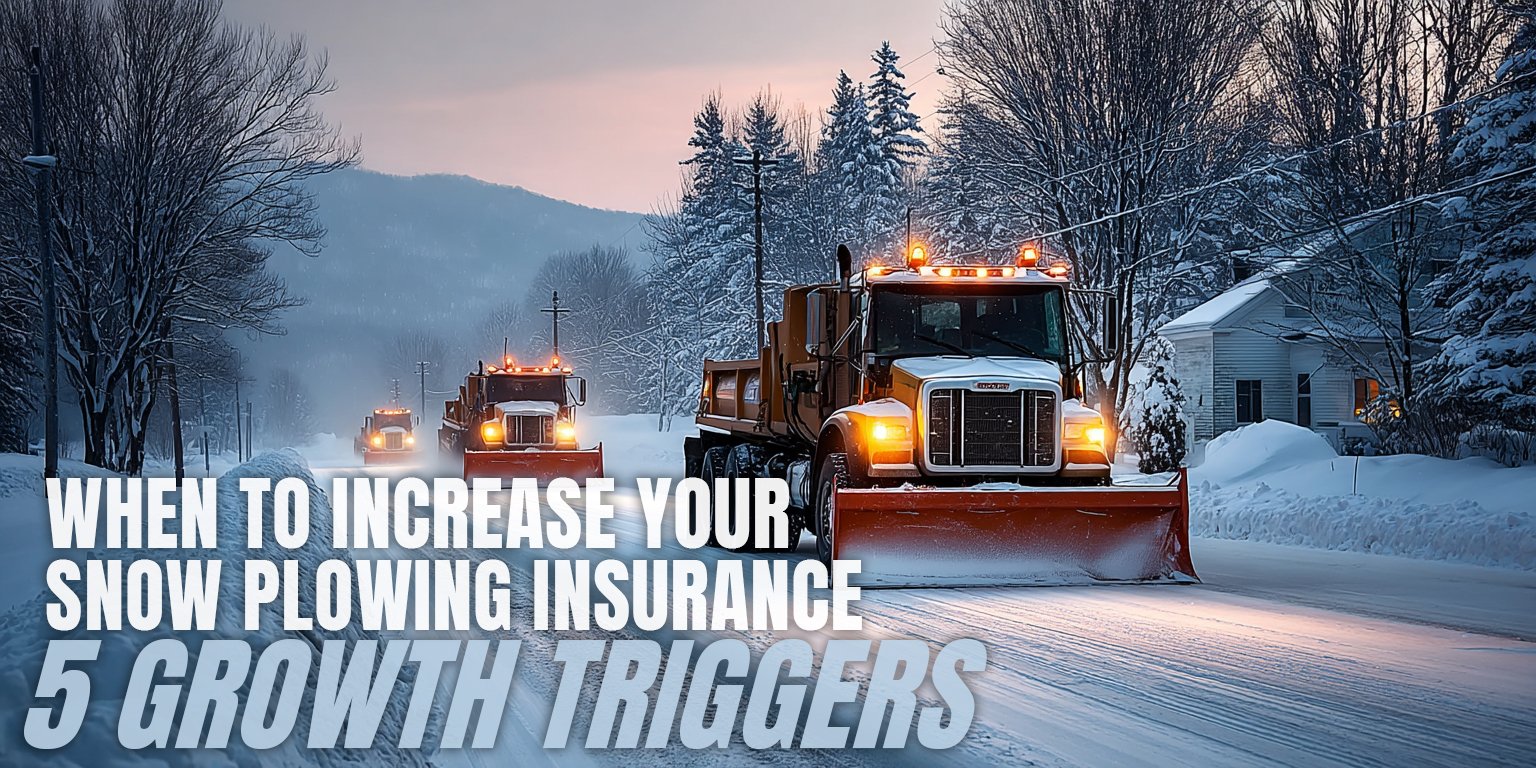
Your snow plowing operation has grown beyond what you started with three years ago. You've added a second truck, expanded from residential driveways in Baldwinsville to commercial lots in Syracuse, and landed contracts with higher-value properties.
Your equipment investment has doubled, your revenue has tripled, and your client contracts now include medical facilities and municipalities alongside the residential work you began with.
What hasn't changed? Your insurance coverage. You're still carrying the same policy limits you purchased when you operated one truck and plowed 20 driveways. The gap between your current operation and your coverage structure keeps widening, but you're not sure when increasing coverage makes sense or what triggers should prompt you to reassess your limits.
At the Horan insurance agency, we work with snow plowers throughout Central New York and multiple carriers to help you explore coverage options as your plowing operation grows. As an independent agency, we can discuss how different business changes affect your insurance requirements and what various carriers offer based on your evolving operation.
This article identifies five specific growth triggers that signal when to reassess your snow plowing insurance coverage, explains how each change affects your insurance requirements, and helps you evaluate whether your current policy still addresses your operation's scope.
 When Adding Equipment Beyond Your First Truck Changes Your Coverage Needs
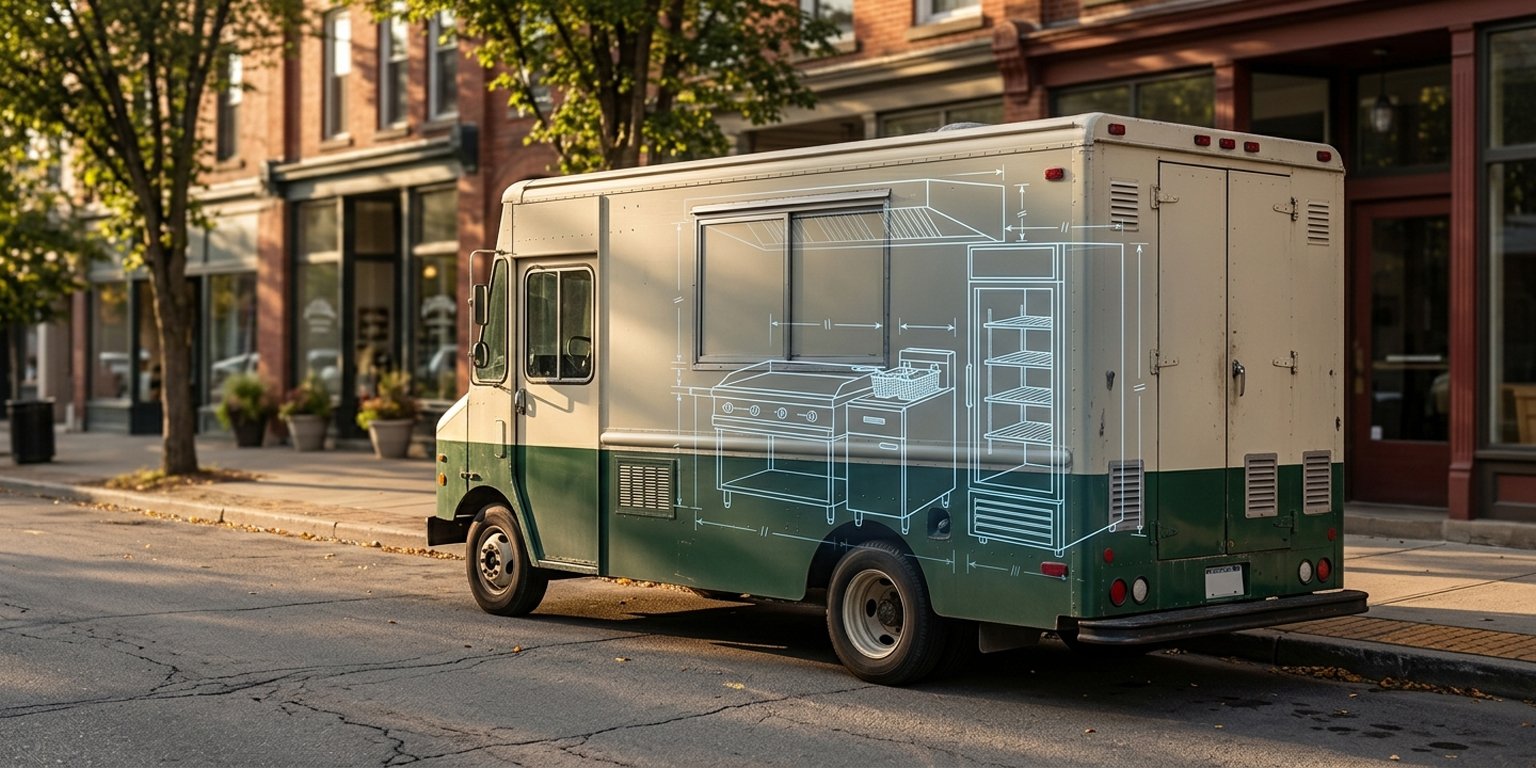
Most Central New York snow plowers start with a single pickup truck and plow blade. As your business grows, you might add a second truck, a skid steer for tight spaces, or a salt spreader. Each equipment addition creates new insurance considerations.
Your commercial auto policy schedules specific vehicles and lists authorized drivers. When you add employees who will operate your trucks, those drivers need to be added to your policy before they begin work. Operating with an unlisted driver—even for a single job—creates a coverage gap if an accident occurs.
Consider this scenario: A Cicero snow plowing contractor hires a part-time employee in December to help during major storms. The contractor plans to notify his insurance carrier "after the busy season ends" because he views the hire as temporary.
During the second storm, the contractor sends his employee to clear a Syracuse apartment complex using the company's second truck. The employee slides on ice and strikes two parked vehicles, causing $8,400 in damage.
His commercial auto carrier denies the claim because the driver wasn't listed on his policy. He pays the property damage from his business account, and the incident affects his coverage renewal and rates when the carrier discovers the unreported employee.
Beyond ensuring all drivers are listed on your policy, consider how equipment value affects your coverage limits as your fleet grows. If you started with a $35,000 truck and $6,000 blade, your total equipment investment was $41,000. After adding a second truck ($42,000), upgrading your original blade ($8,500), and purchasing a skid steer for commercial lots ($28,000), your equipment investment has grown to $119,500.
Your physical damage coverage limits should reflect this increased value. If your policy provides actual cash value coverage rather than stated amount coverage, verify that your limits adequately address replacement costs for all scheduled equipment.
Equipment additions also affect your liability exposure. Operating two trucks simultaneously during storms means you're clearing twice as many properties in the same timeframe, which increases your exposure to property damage and injury claims. Consider whether your general liability policy limits still provide adequate coverage given your expanded operations.

How Geographic Expansion Affects Your Insurance Requirements
When you expand your service radius, your insurance requirements often change in ways that aren't immediately obvious. The distance you travel, the types of properties you service, and the municipalities you work in all affect your coverage requirements.
Many Central New York snow plowers begin with a focused service area—perhaps a 5-mile radius around their home base. As you build reputation and capacity, you might expand to serve properties 15 or 20 miles away. This geographic expansion affects your commercial auto coverage in several ways.
Your vehicle spends more time on roads during winter conditions. More miles traveled means greater exposure to accidents. Some carriers adjust rates based on your service radius, particularly when you cross into areas with different road conditions or traffic patterns.
Here's an example of how this plays out: A Fulton-based contractor who initially serves properties within Oswego County expands to take contracts in Onondaga County, increasing his service radius from 10 miles to 35 miles.
His expanded territory includes highway driving between locations during storms. When his carrier learns about the increased radius during his annual policy review, his commercial auto premium increases by $1,400 annually to reflect the additional exposure.
Geographic expansion also matters when you cross municipal boundaries. If you begin serving properties in multiple counties or municipalities, you need to understand how different local regulations affect your operations. Some municipalities have specific insurance requirements for contractors working on public or commercial properties within their jurisdiction.
 When Client Type Changes Require Higher Coverage Limits
The type of properties you service directly affects the liability limits you should carry. Plowing for residential driveways creates different exposure than clearing parking lots for medical facilities, shopping centers, or municipal properties.
Residential clients typically don't require certificates of insurance or specific liability limits. You plow driveways for agreed-upon fees, and your standard general liability coverage addresses incidents that might occur. Commercial clients operate differently.
Consider this situation: A Liverpool snow plower who has spent five years serving residential clients lands his first commercial contract—a medical office complex with 80 parking spaces. The property management company's contract requires:
- $2 million in general liability coverage
- $1 million in commercial auto coverage
- The property owner listed as additional insured on both policies
- Certificate of insurance provided within 10 days of contract execution
His current coverage: $500,000 general liability and $300,000 commercial auto. To fulfill the contract, he needs to increase both policies and add the additional insured endorsement. The coverage increases cost an additional $950 annually, but the contract generates $12,000 in annual revenue.
Medical facilities, schools, shopping centers, and municipal properties commonly require higher limits than residential work. These clients have greater liability exposure themselves and transfer some risk management requirements to contractors through insurance provisions.
Before pursuing commercial contracts, confirm your coverage meets potential client requirements. Winning a contract you can't fulfill due to insurance limitations wastes time and damages your professional reputation.
Beyond contractual requirements, consider the actual liability exposure these properties create. A slip-and-fall injury at a medical facility parking lot where elderly patients regularly walk creates different exposure than an injury on a residential driveway. The severity of potential claims—and associated legal defense costs—often increases with commercial properties.
 How Revenue Growth Signals the Need for Coverage Reassessment
As your plowing revenue increases, your insurance coverage should scale accordingly. The relationship between revenue and adequate coverage isn't always obvious, but significant revenue growth often indicates operational changes that affect your insurance requirements.
When your annual plowing revenue doubles or triples, that growth typically results from one or more of these changes:
- Serving more properties (increased claim frequency exposure)
- Taking larger contracts (increased severity exposure per claim)
- Operating during longer seasons (more hours of exposure)
- Adding services beyond basic plowing (expanded scope of work)
Each of these changes affects your risk profile. More properties means more opportunities for property damage or injury claims. Larger contracts often involve higher-value properties where claims can be more severe. Extended seasons mean more time operating under challenging conditions.
Here's how inadequate coverage can affect a growing operation: A Manlius snow plower grows his operation from $45,000 in annual revenue to $180,000 over four years. His growth comes from adding commercial properties to his residential base. He keeps his original insurance policy—$500,000 in general liability coverage—without reassessing whether those limits still address his operation's scale.
During his fourth season, a customer falls on ice in a parking lot he had cleared 45 minutes earlier. The customer sustains injuries requiring surgery and files a claim against both the property owner and the plowing contractor. Legal defense costs reach $22,000. The settlement amount is $380,000.
His $500,000 general liability policy addresses both defense and settlement, leaving him with $98,000 in remaining coverage for the rest of the policy term. Had another significant claim occurred before his policy renewed, his available coverage would have been limited.
Consider reassessing your coverage when your revenue increases by 50% or more from when you last reviewed your policy. This revenue threshold often indicates operational changes significant enough to warrant higher liability limits or additional coverage types.
What Seasonal-to-Year-Round Operations Mean for Your Coverage
Some Central New York snow plowers expand beyond seasonal snow removal to offer year-round services. You might add landscaping, property maintenance, or other services that generate income during non-winter months. This transition from seasonal to year-round operations affects your insurance in several ways.
Your commercial auto policy might have been structured specifically for snow plowing use. If you begin using your truck for landscaping, hauling equipment, or other services, your carrier needs to know about the expanded use. Different commercial uses create different liability exposures, which can affect your premium and coverage terms.
Your general liability coverage might need to expand to address exposures created by new services. If you add spring cleanup, lawn mowing, or property maintenance to your offerings, you're assuming liability for these activities. Some general liability policies restrict or exclude certain operations. Verify your policy covers all services you provide.
Here's what can happen when coverage doesn't match expanded operations: A Baldwinsville contractor who operates a snow plowing business seasonally begins offering lawn care and landscaping services to maintain cash flow during summer months.
He assumes his general liability policy addresses all his business activities. During a landscaping job, his mower throws a rock that shatters a customer's window, causing $3,500 in damage plus $1,200 in interior damage from rain before repairs can be completed.
When he files the claim, his carrier notes that his policy was written specifically for snow plowing operations. Landscaping wasn't listed as a covered activity. The carrier offers a one-time exception and pays the claim but requires him to either add landscaping to his policy (increasing his premium by $680 annually) or obtain separate coverage for non-plowing activities.
Before expanding into year-round services, discuss your plans with your insurance agent. Confirm your coverage extends to new activities, or add appropriate endorsements before you begin offering these services to clients.
Signs Your Current Coverage No Longer Matches Your Operation
Beyond specific growth triggers, certain indicators suggest your coverage hasn't kept pace with your operation's evolution. Regular assessment helps you identify gaps before they become problems.
Review your coverage if any of these situations apply to your operation:
- Your equipment value has increased significantly. Calculate the replacement cost of all trucks, blades, and equipment you currently operate. Compare this to the limits shown on your commercial auto policy. If the gap exceeds 25%, consider adjusting your coverage.
- Your largest contract exceeds your general liability limits. If a single client contract could generate a claim larger than your policy limits, your coverage structure has fallen behind your operation's scale.
- You've declined work due to insurance requirements. When potential clients require coverage limits higher than you carry, you're leaving revenue on the table. Evaluate whether increasing your limits would allow you to pursue these opportunities profitably.
- Your client mix has shifted toward commercial properties. If commercial clients now represent more than 50% of your revenue but your coverage was originally structured for residential work, reassess your liability limits and policy structure.
- You operate in different counties or municipalities than when you started. Geographic expansion often creates coverage considerations you didn't face with a smaller service radius.
At the Horan insurance agency, we work with Central New York snow plowing operations and multiple carriers to discuss coverage structures based on your current operation—not what your business looked like when you first obtained coverage. We can help you identify which growth changes affect your insurance requirements and explore options from different carriers based on your evolved operation.
Address Coverage Gaps Before They Become Costly Problems
We covered five growth triggers that signal when to reassess your snow plowing insurance coverage in Central New York:
- adding equipment beyond your first truck,
- expanding your geographic service area,
- shifting toward higher-value commercial clients,
- experiencing significant revenue growth, and
- transitioning from seasonal to year-round operations.
We examined how each change affects your insurance requirements and identified specific thresholds that indicate your coverage may no longer match your operation's scale.
Picture yourself operating through a busy season with coverage structured to address your current operation—not what your business looked like three years ago. When you land a municipal contract requiring $2 million in liability coverage, your policy already provides these limits.
When you add a second truck to handle increased demand, you understand how to schedule it properly and adjust your coverage accordingly. Your operation grows without creating insurance gaps that could generate out-of-pocket costs during claims.
Overlook these growth triggers and risk operating with coverage that no longer matches your exposure. The $500,000 general liability policy that seemed adequate when you plowed residential driveways doesn't address the severity of claims that arise from commercial properties.
The commercial auto policy that covered your original truck doesn't extend to the backup vehicle you purchased last month. Equipment valued at $120,000 receives coverage based on limits established when your investment was $41,000.
The Horan insurance agency serves snow plowers throughout Central New York. As an independent agency, we work with multiple carriers and can discuss coverage options suited to your current operation.
We can help you evaluate whether your existing coverage addresses your business as it operates today and explore what different carriers offer based on your equipment value, service radius, client types, and revenue level.
Click the Get a Quote button below to discuss your snow plowing operation's growth and explore whether your insurance coverage has kept pace with your business evolution.

Topics: