
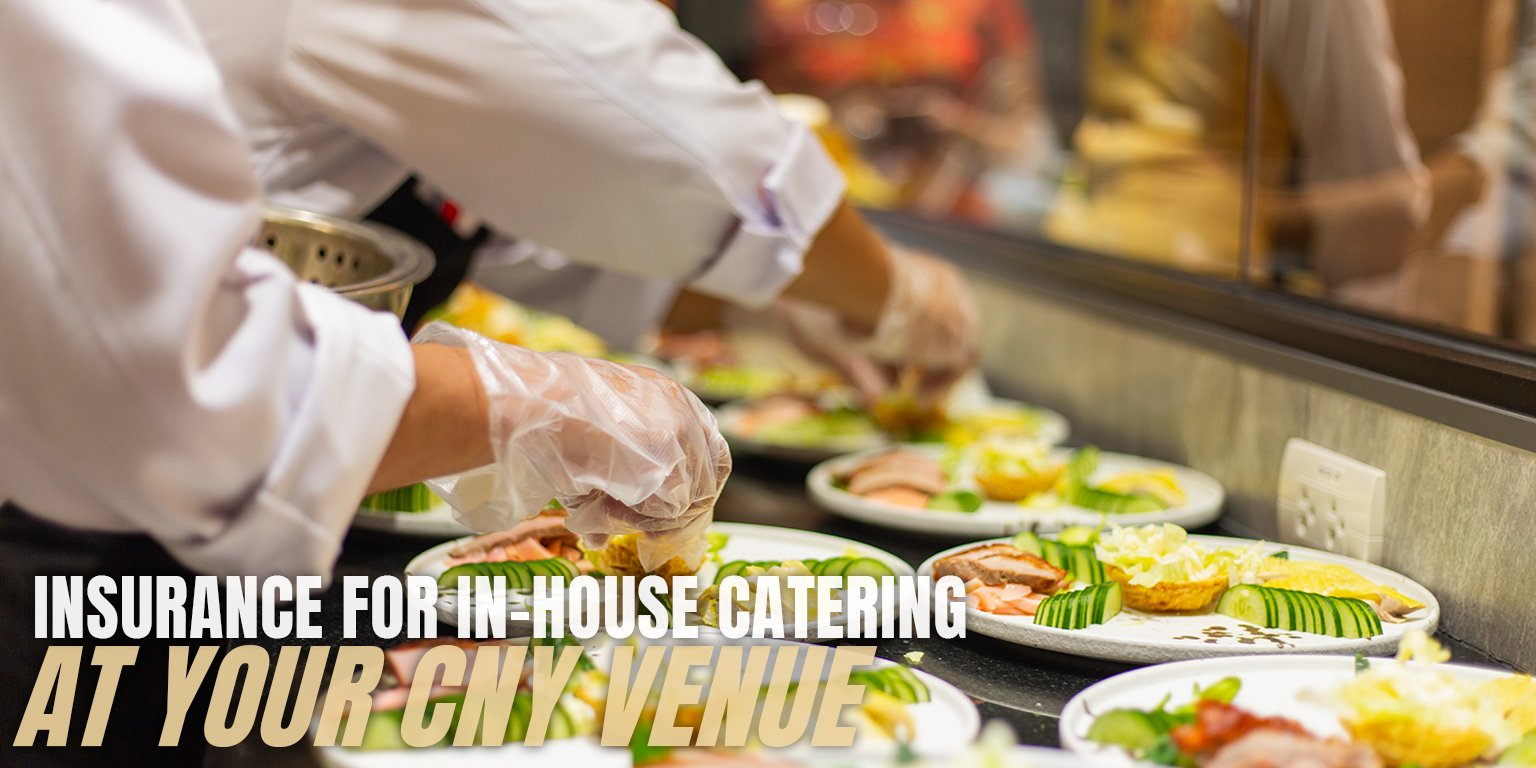
Operating a wedding barn, winery event space, or banquet facility in Central New York comes with unique responsibilities. When you add food service to your venue, you're taking on new exposures that your basic property insurance may not address.
Understanding what coverage options exist for in-house catering operations helps you make informed decisions about your insurance program.
At the Horan insurance agency in Central New York, we work with venue operators to review coverage options for food service operations. Our access to multiple carriers allows us to compare policies and discuss what different insurers offer for venues with in-house catering.
This article examines the insurance considerations for CNY venues that operate their own food service, from commercial kitchens to liability concerns specific to New York State.
Food Service Creates Distinct Liability Exposures for Your Venue
When your venue prepares and serves food, you face different risks than venues that only provide space. A standard commercial general liability policy covers slip-and-fall accidents and property damage, but food-related claims require additional consideration.
In New York State, venues that serve food can face claims if guests become ill from food preparation or handling. Product liability coverage addresses situations where the food itself causes harm. For example, if a wedding guest at your Skaneateles venue develops food poisoning after your catered meal, you could face a claim for medical expenses and damages.
Consider these exposures specific to in-house food service:
- Foodborne illness claims from preparation, storage, or handling issues
- Allergic reactions from undisclosed ingredients or cross-contamination
- Equipment malfunctions leading to food spoilage during events
- Damage to venue property from commercial cooking operations
- Liability claims arising from food preparation and service
Commercial Kitchen Operations Require Specific Coverage Considerations
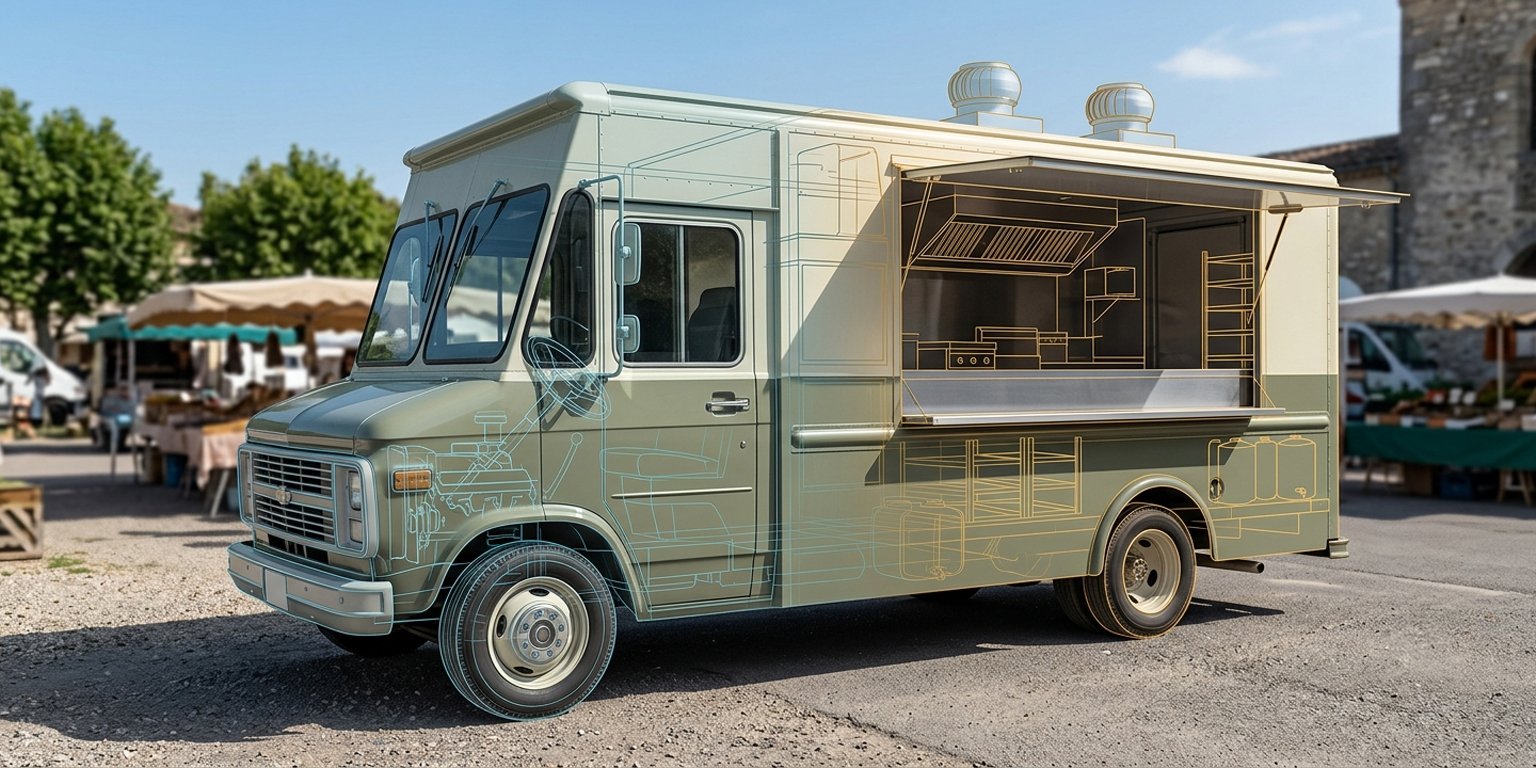
Operating a commercial kitchen brings equipment and property exposures beyond standard venue coverage. Commercial cooking equipment—from ovens and fryers to refrigeration units—represents significant value and creates fire hazards that insurers evaluate when determining premiums.
New York fire codes require specific safety measures for commercial kitchens, including suppression systems and regular inspections. Your insurance coverage should account for:
Equipment Breakdown Coverage: Commercial refrigeration failure during peak wedding season could spoil thousands of dollars in food inventory. Equipment breakdown coverage can address mechanical failure of refrigeration, ovens, and other essential kitchen equipment. This coverage responds to sudden mechanical breakdowns that property insurance typically excludes.
Business Income Protection: If a kitchen fire forces you to cancel events while repairs are completed, business income coverage may help replace lost revenue during the closure period. For a Cazenovia banquet facility that hosts multiple events weekly, even a short closure affects income. This coverage typically requires you to maintain operations at the insured location and calculates payments based on your historical income records.
Commercial Property Coverage: Your building coverage should reflect the replacement cost of commercial kitchen installations, including ventilation systems, commercial-grade appliances, and specialized finishes required by health codes. Standard property coverage may not account for the higher rebuild costs associated with commercial kitchen spaces.
Liquor Liability Intersects with Food Service at CNY Venues
Many Central New York venues with in-house catering also serve alcohol, creating another layer of liability consideration. New York's Dram Shop Law holds establishments liable if they serve alcohol to visibly intoxicated patrons who then cause injury or damage.
For venues serving alcohol as part of their operations, liquor liability coverage typically operates separately from general liability insurance. If your Liverpool venue serves both food and alcohol at weddings, you need coverage that addresses both exposures. Some carriers offer package policies that combine general liability, liquor liability, and product liability for food service operations.
The interaction between food service and alcohol service matters for claims scenarios. A hypothetical situation: a guest at your venue has an allergic reaction to food, becomes disoriented, and falls down stairs. The claim could involve both your food service operations and general premises liability.
Workers Compensation Requirements for Kitchen and Service Staff in New York
New York State requires workers compensation coverage for nearly all employees. The classification codes insurers use for premium calculations differ based on employee duties, and kitchen work typically generates higher rates than general venue operations.
Your workers compensation premium reflects the different risk levels of your employees' duties. Kitchen staff face exposures including:
- Burns from cooking equipment, ovens, and hot liquids
- Cuts from knives and food preparation equipment
- Repetitive motion injuries from food prep tasks
- Slip hazards from spills and wet floors in kitchen areas
- Back injuries from lifting heavy pots, food supplies, and equipment
Front-of-house venue staff typically receive lower classification codes than kitchen employees, which affects how insurers calculate your total premium. Accurately reporting your employee duties to insurers helps ensure appropriate classification and pricing.

Building a Suitable Insurance Program for Your CNY Venue with Food Service
Insurance for venues with in-house catering involves multiple coverage components. Start by documenting your operations:
- Square footage of commercial kitchen space
- Types of cooking equipment and estimated values
- Average number of events per month
- Typical guest counts at catered events
- Whether you serve alcohol in addition to food
- Number of kitchen employees versus other venue staff
- Your menu complexity and food handling procedures
This information helps insurers evaluate your exposures and provide quotes. Some carriers focus more on hospitality risks and may offer coverage options that others don't include. Comparing proposals from different insurers reveals variations in coverage terms, exclusions, and pricing.
Making Informed Decisions About Venue Insurance with Food Service Operations
Operating in-house food service at your Central New York venue changes your insurance requirements. The coverage you may need extends beyond basic property and liability insurance to address product liability, equipment breakdown, business interruption, and employee injuries specific to commercial kitchen work.
Missing coverage components could leave you facing expenses that insurance might have addressed. Understanding what each policy covers—and what it doesn't—helps you evaluate your options and make informed decisions about your insurance program.
The Horan insurance agency works with venue operators throughout Central New York to review coverage options for food service operations. We can obtain quotes from multiple carriers and discuss how different policies address your specific situation.
Click the Get a Quote button below to discuss insurance options for your Central New York venue with in-house food service operations.

Topics: