

Renting your Central New York property for events with outside caterers creates liability questions that many venue owners overlook. When a catering company operates in your space, understanding who bears responsibility for various incidents becomes essential. Even when caterers bring their own insurance, gaps can leave your venue exposed to claims.
At the Horan insurance agency, we assist Central New York venue owners with information about managing insurance requirements when third-party vendors use their properties. We can review your current coverage and discuss where liability might fall in different scenarios.
This article examines the insurance considerations for venues that allow outside caterers, focusing on certificate of insurance requirements and potential coverage gaps under New York law.
How Outside Caterers Create Liability Concerns for Venue Owners
When you allow third-party caterers to operate at your Chittenango event barn or Syracuse reception hall, you're bringing another business onto your property. That relationship creates multiple scenarios where claims could arise:
A catering company employee could damage your property while setting up equipment. Hot cooking equipment might start a fire. A guest could get food poisoning from the caterer's meal. The caterer's employee might suffer an injury on your premises.
In each scenario, the question becomes: whose insurance responds to the claim?
New York law allows injured parties to name multiple defendants in lawsuits. Even when the caterer bears primary responsibility, plaintiffs often include the venue owner in claims. Your general liability insurance may need to respond even when the caterer caused the incident.
 Certificate of Insurance Requirements and Additional Insured Status
Most venue owners require caterers to provide certificates of insurance before events. This document confirms the caterer maintains coverage and typically shows:
- The caterer's general liability coverage limits
- Policy effective dates
- Whether your venue is listed as an additional insured
- What types of coverage the caterer maintains
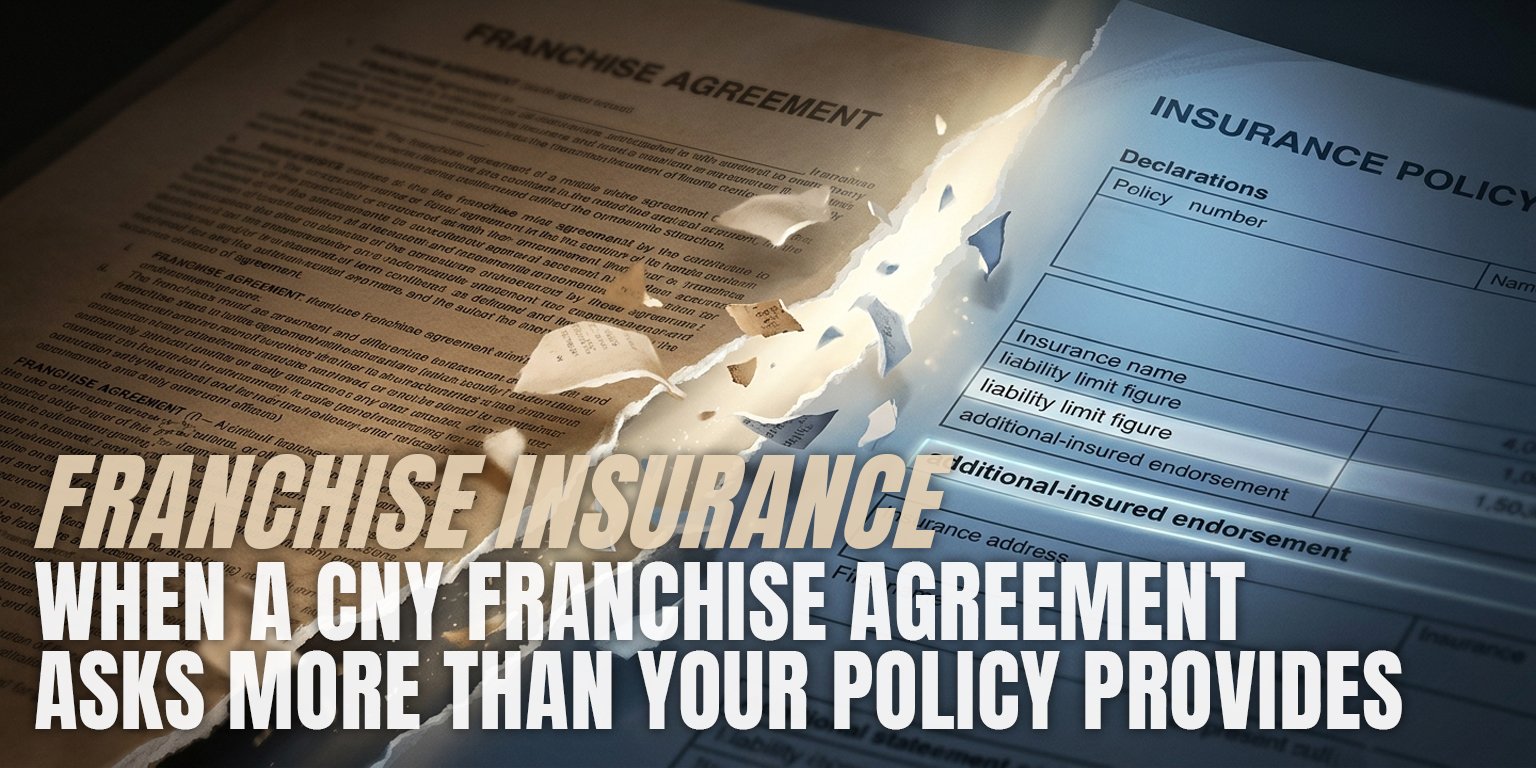
Requiring caterers to name your venue as an additional insured on their general liability policy provides important coverage. When properly endorsed, this status means the caterer's insurance is designed to respond to claims against your venue arising from the caterer's operations.
However, additional insured status typically includes conditions and limitations:
Coverage applies only to liability arising from the named insured's operations: If the claim involves your venue's negligence rather than the caterer's actions, the caterer's insurance won't cover it.
The caterer's policy limits become your maximum coverage from that source: If a claim exceeds the caterer's limits, your venue may face exposure for the excess amount.
The caterer's insurance company might dispute coverage: Insurers sometimes deny additional insured claims based on policy language or circumstances of the incident.
Certificates represent a snapshot in time: The caterer's policy could lapse before your event, and the certificate doesn't guarantee the insurer will pay claims as expected.
 How Your Venue's Insurance Responds When Caterer Coverage Has Gaps
Even with certificates of insurance and additional insured endorsements, your venue's own coverage remains essential. New York's joint and several liability rules mean that plaintiffs can pursue the defendant with the most resources—often the property owner.
Consider a hypothetical scenario: A caterer serves food at your Manlius venue that causes multiple guests to become ill. The guests sue both the caterer and your venue. The caterer's insurance has a $1 million limit, but the claims total $1.5 million.
Your venue could face exposure for:
- The $500,000 exceeding the caterer's policy limits
- Defense costs if the caterer's insurer disputes additional insured coverage
- Claims that your venue shares liability for the incident
- Situations where the caterer lacks sufficient resources to honor contractual obligations
Your general liability insurance may provide defense and coverage when caterer insurance doesn't fully respond to claims. Some insurers offer host liquor liability coverage for venues that allow caterers to serve alcohol under the caterer's liquor license.
Contractual Liability and Hold Harmless Agreements in Vendor Relationships
Many venue owners include hold harmless and indemnification clauses in their caterer agreements. These contracts require caterers to take financial responsibility for claims arising from their operations.
New York's General Obligations Law, Section 5-322.1, limits the enforceability of certain indemnification provisions in construction contracts, but similar restrictions don't apply to catering agreements. However, a hold harmless agreement only works if the caterer has resources to honor it.
Contractual liability coverage in your general liability policy addresses your obligations when you sign agreements that assume liability from others. Understanding what contractual provisions your insurance covers helps you evaluate vendor agreements.
Working with legal counsel to review your vendor contracts helps ensure your indemnification language aligns with your insurance coverage and New York law.
Establishing Suitable Insurance Requirements for Outside Caterers
Setting appropriate insurance requirements for caterers who use your venue involves balancing adequate coverage with reasonable market expectations. Requirements that exceed industry standards might limit your caterer options, while insufficient requirements leave potential coverage gaps.
Common insurance requirements for caterers at CNY venues include:
- General liability coverage of $1 million per occurrence / $2 million aggregate minimum
- Additional insured endorsement naming your venue
- Workers compensation coverage as required by New York law
- Commercial auto coverage if caterers transport food to your venue
- Liquor liability coverage if caterers serve alcohol
Some venue owners require caterers to maintain higher limits for larger events. A wedding with 300 guests creates different exposure than an intimate dinner for 30 people. Your insurance agent can help you evaluate what requirements align with your venue's operations and the types of events you host.
Making Informed Decisions About Insurance Requirements for Third-Party Caterers
Allowing outside caterers to operate at your Central New York venue creates liability considerations that certificate requirements alone don't fully resolve. Understanding where coverage gaps can exist and how your venue's insurance may respond to various scenarios helps you establish suitable requirements and evaluate your own coverage needs.
The relationship between caterer insurance, additional insured status, and your venue's own coverage involves multiple policies and potential coverage disputes. Missing safeguards could leave your venue facing expenses that insurance might have addressed with appropriate planning.
The Horan insurance agency works with event venue owners throughout Central New York to discuss insurance options and certificate requirements for third-party vendors. We can review your current coverage and explain how different scenarios might affect liability under New York law.
Click the Get a Quote button below to discuss insurance considerations for your Central New York venue that hosts events with outside caterers.

Topics: