
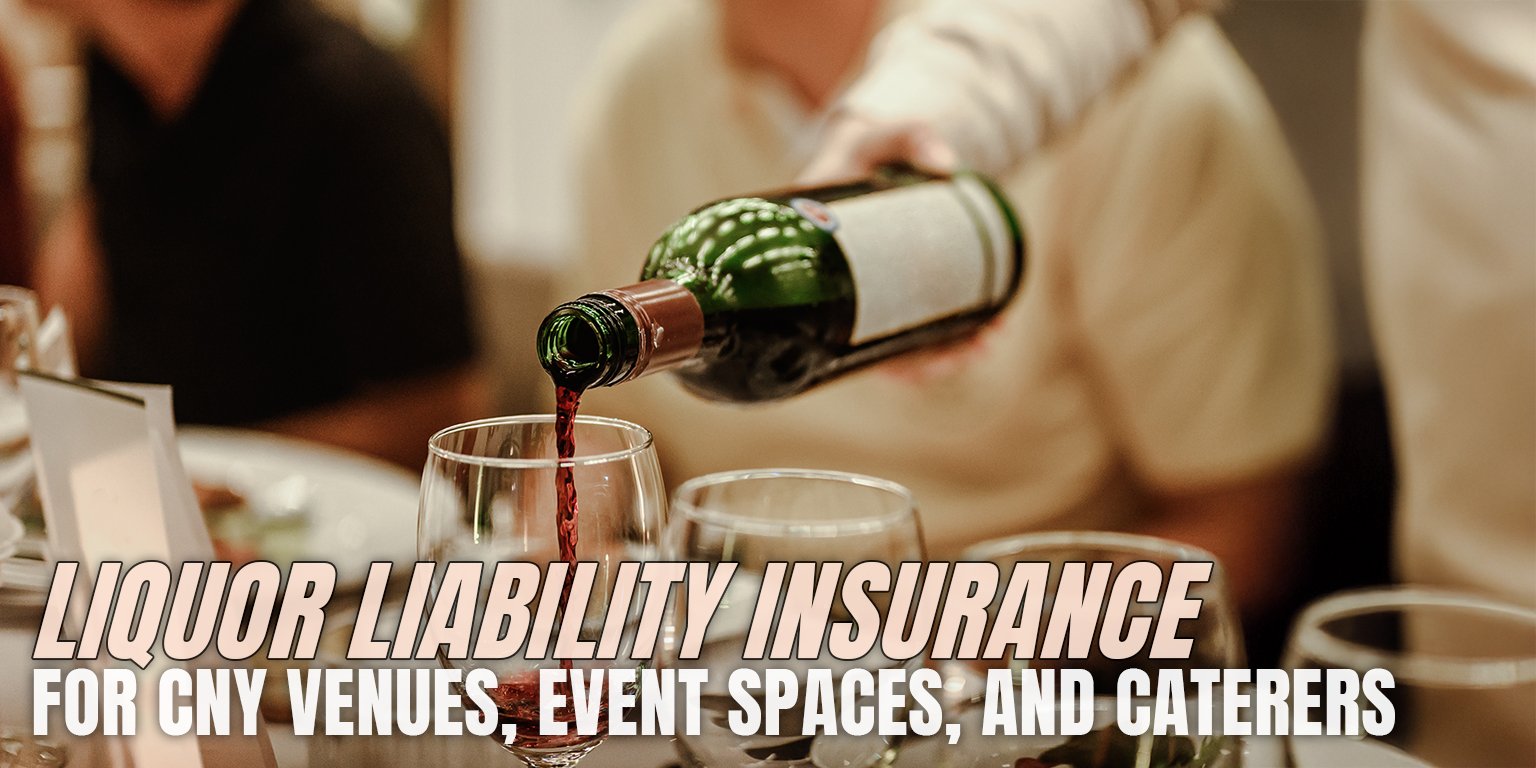
Serving alcohol at your Central New York venue or event space feels like a natural part of the business. Wedding guests expect an open bar. Winery tour visitors want to sample the product. Golf course banquet halls pour drinks alongside dinner.
But when alcohol flows at your facility and something goes wrong, the question of who bears liability becomes immediate and serious.
Bars and restaurants carry liquor liability as a matter of course. For venues where alcohol is secondary to the primary operation, the coverage picture looks different — and the gaps can be less obvious.
At the Horan insurance agency, we work with venue operators, caterers, and event space owners throughout Central New York to review liquor liability coverage options. We can compare policies from multiple carriers and discuss how different coverage structures apply to your type of operation.
This article examines liquor liability considerations for CNY businesses where alcohol isn't the main product but remains a significant exposure.
When Your Business Isn't a Bar but Still Serves Alcohol

Bars and taverns face liquor liability as their central insurance concern. For other types of CNY businesses, alcohol service sits alongside other operations — and that distinction matters significantly when it comes to how insurers structure coverage.
Businesses in this category include a range of operations common across Central New York:
- Wedding barns and event venues in areas like Cazenovia, Manlius, or Marcellus
- Golf courses and country clubs with banquet facilities
- Wineries and brewery taprooms where tastings and events take place
- Catering companies that serve alcohol at client locations
- Social clubs, fraternal organizations, and community halls
- Hotels and conference centers with event space
- Distillery tasting rooms hosting private events
Each of these operations holds a different relationship with alcohol. A winery's tasting room serves alcohol as its core purpose but differs from a bar in how it operates and who it serves. A catering company serves alcohol at locations it doesn't own or control. A wedding barn may serve alcohol only on weekend evenings during peak season. These differences affect how insurers evaluate and price coverage.
Host Liquor Liability vs. Commercial Liquor Liability
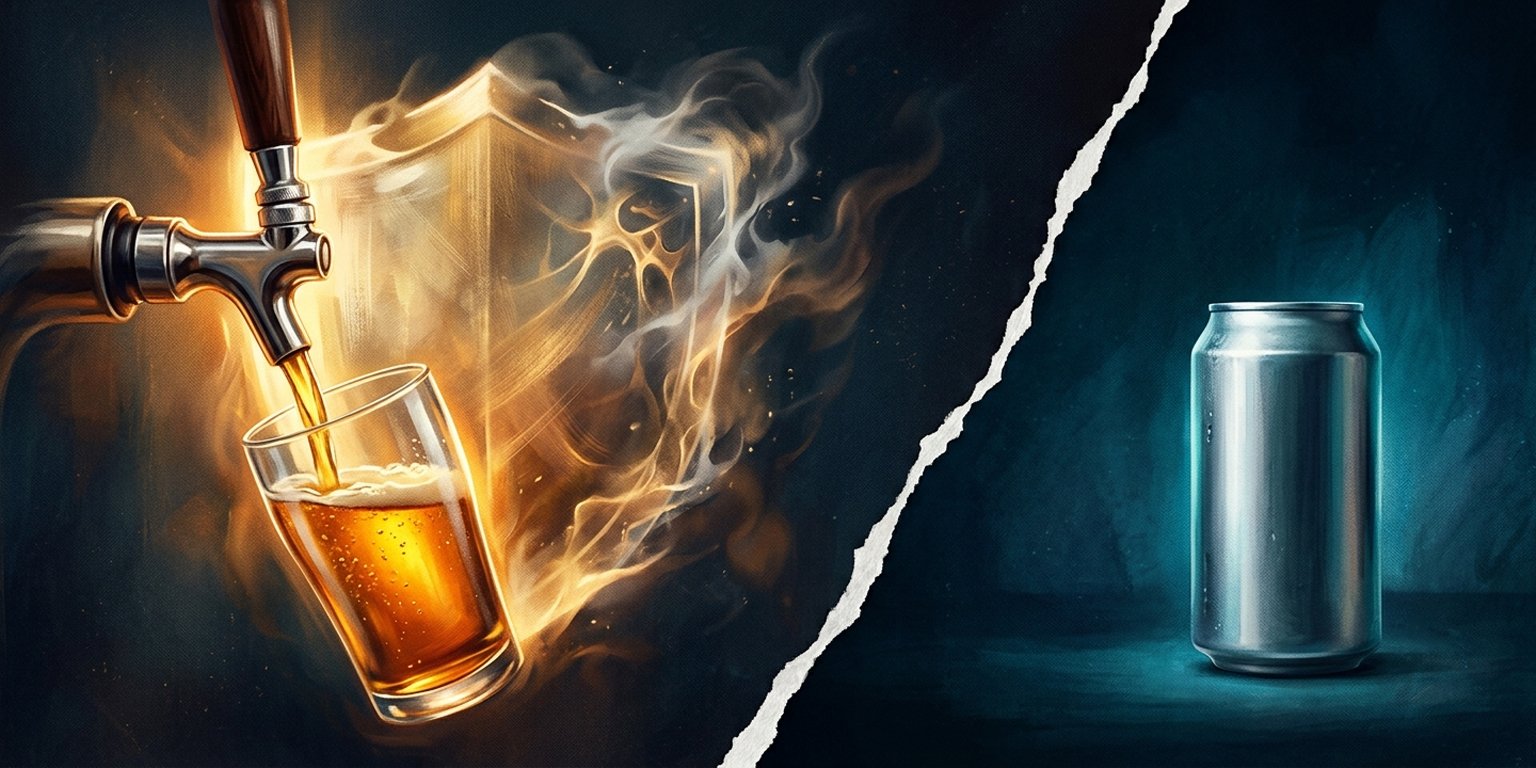
One of the most important distinctions for non-bar businesses involves the difference between host liquor liability and commercial liquor liability.
Host liquor liability applies when a business serves alcohol without charging for it directly and without being in the business of selling or manufacturing alcohol. A corporate event where an employer provides free drinks to employees and guests, or a community organization hosting a fundraiser with complimentary wine, might fall under host liquor liability. This coverage sometimes appears as part of a general liability policy rather than as a separate policy.
Commercial liquor liability applies when a business sells, serves, or furnishes alcohol as part of its operations — even if alcohol isn't the primary product. If your Baldwinsville event venue charges per drink, includes alcohol in a ticket or package price, or employs staff whose duties include serving alcohol, that may indicate a need for commercial liquor liability rather than host liquor liability.
The distinction matters because a general liability policy typically excludes liquor-related claims for businesses engaged in selling or serving alcohol. Assuming host liquor liability coverage applies when your operation actually requires commercial liquor liability could leave a significant coverage gap.
How the New York State Liquor Authority Factors In
New York's Alcoholic Beverage Control Law governs who may sell or serve alcohol and under what conditions. The New York State Liquor Authority (NYSLA) issues different license types for different operations — on-premises licenses for venues that serve alcohol for consumption at the location, catering permits for caterers serving alcohol at events, and special event permits for one-time or limited occasions.
Your license type affects your insurance considerations. A venue operating under an on-premises license faces different insurer evaluation than a caterer using a catering permit. Operating without the appropriate license — or allowing events where alcohol is served without proper permits — can create both legal exposure and potential coverage disputes with your insurer.
How Seasonal and Occasional Alcohol Service Affects Coverage
Many CNY venues serve alcohol only during certain seasons or for specific event types. A Finger Lakes-area wedding barn might operate May–October. A community hall might serve alcohol only at its annual fundraiser gala. A corporate conference center might offer alcohol only at evening receptions.
Some venue operators assume that occasional alcohol service reduces their exposure enough that standard general liability will respond to any claims. In practice, New York's Dram Shop Law doesn't distinguish between businesses that serve alcohol daily and those that serve it once a year.
If you serve alcohol at your venue and a guest causes harm after drinking there, liability considerations arise regardless of how infrequently you serve.
Insurers do consider frequency when pricing coverage — a venue that serves alcohol twice a year pays differently than one serving alcohol every weekend — but that pricing difference doesn't change the underlying exposure when alcohol service does occur.
Catering Companies Face Distinct Liquor Liability Considerations
Catering operations that serve alcohol face an exposure that differs from fixed venues. A caterer serves alcohol at locations it doesn't own, under conditions it doesn't fully control, often under a client's event permit or the caterer's own catering permit.
New York allows caterers to obtain a Catering Establishment Liquor License, which permits them to serve alcohol at catered events. Operating under this license creates commercial liquor liability exposure that warrants separate consideration from a standard general liability policy.
Many carriers that write catering operations can add liquor liability as an endorsement to a general liability policy rather than requiring a separate standalone policy. However, insurers typically review your alcohol revenue as a percentage of total receipts.
Carriers often prefer to see liquor receipts below 35% of total revenue when considering an endorsement. Once alcohol sales exceed that threshold, insurers may require a standalone liquor liability policy instead of an endorsement to your general liability coverage.
A few considerations specific to catering operations:
Location variability: A caterer might serve alcohol at a private home, a rented event space, an outdoor venue, or a corporate campus. The lack of a fixed location creates underwriting complexity that some insurers handle differently than others.
Shared liability scenarios: If a guest becomes intoxicated at a catered event and causes harm, both the caterer and the venue owner may face claims. The caterer's liquor liability coverage is worth evaluating for how it addresses incidents at third-party locations.
Client contract considerations: Some clients require caterers to carry specified liquor liability limits as a condition of their vendor agreement. Reviewing what your policy covers — and what limits apply — before signing client contracts can help you evaluate whether your coverage aligns with your contractual obligations.
Activities and Event Types That Affect Insurability
Insurers evaluate venue and event space operators based on the nature of their operations. Certain event types and activities affect how carriers view your liquor liability risk, which in turn affects availability, pricing, and coverage terms.
Events that tend to increase insurer scrutiny include:
- Late-night events running past midnight
- Large gatherings with open bar service and no drink limits
- Events with live entertainment that may encourage heavier drinking
- Private parties where the venue has limited control over guests
- Events serving high-alcohol-content beverages or shots
This doesn't mean coverage is unavailable for venues hosting these types of events. It means insurers want complete information about your operations when evaluating your account. Incomplete or inaccurate information at application can create coverage disputes if a claim arises.
Alcohol Training Considerations for Venue Staff

The existing Horan article on restaurant liquor liability covers the TIPS and ServSafe alcohol training programs in detail. For venue operators and caterers, the same programs apply and carry similar benefits — staff who can recognize intoxication, manage difficult situations, and document incidents reduce the likelihood of claims and demonstrate responsible operations to insurers.
New York's Alcoholic Beverage Control Law places responsibility on licensees and their employees for responsible alcohol service. Even if your venue serves alcohol only occasionally, staff who handle alcohol service benefit from formal training. Some insurers factor training into their evaluation of venue accounts.
Building a Suitable Liquor Liability Program for Your CNY Venue
Because venue operations vary considerably, the coverage structure that suits one operation may not suit another. A winery tasting room, a golf course banquet facility, and a mobile catering company each require a different approach to liquor liability.
Key questions to work through with a licensed agent include:
- Does your operation indicate a need for commercial liquor liability or host liquor liability?
- Does your general liability policy exclude liquor-related claims given your operations?
- What does your NYSLA license type suggest about your coverage considerations?
- Do your client or venue rental contracts specify required liquor liability limits?
- How does the scale of your alcohol service affect your coverage options?
- Do you need coverage that follows you to off-premises locations, as a caterer would?
These questions don't have universal answers. They depend on how your specific operation works, which carriers are willing to write your account, and what policy language actually addresses your exposures.
Understanding Your Liquor Liability Exposure Before Your Next Event
For CNY venues, event spaces, and caterers, liquor liability exposure exists whether alcohol is your primary business or an occasional feature of your events. New York's Dram Shop Law applies across business types, and the gap between a general liability policy and appropriate liquor liability coverage can be significant.
Reviewing your current coverage against your actual operations — including your NYSLA license type, your event calendar, and your staff training practices — helps you understand where your coverage may need attention.
The Horan insurance agency works with venue operators, event spaces, and catering companies throughout Central New York to discuss liquor liability coverage options. We can obtain quotes from multiple carriers and review how different policy structures address your specific operation.
Click the Get a Quote button below to discuss liquor liability coverage for your Central New York venue or event operation.

Topics: