

Many Central New York business owners assume they're covered when their name appears on a contractor's Certificate of Insurance. You see your company listed on the document and believe you have the coverage you need if something goes wrong during the project.
This common misunderstanding can leave your business exposed to significant liability. The difference between being a certificate holder and an additional insured isn't just terminology—it's the difference between having coverage and having none at all.
At the Horan insurance agency, we help Central New York businesses understand how Certificates of Insurance work and what different designations actually provide. As an independent agency working with multiple carriers, we see how these distinctions affect businesses throughout the region when claims arise.
This article explains what certificate holder and additional insured designations mean, the critical coverage differences between them, and how to verify you have the coverage your business needs when working with contractors and vendors.
 Understanding What Certificate Holder Status Provides
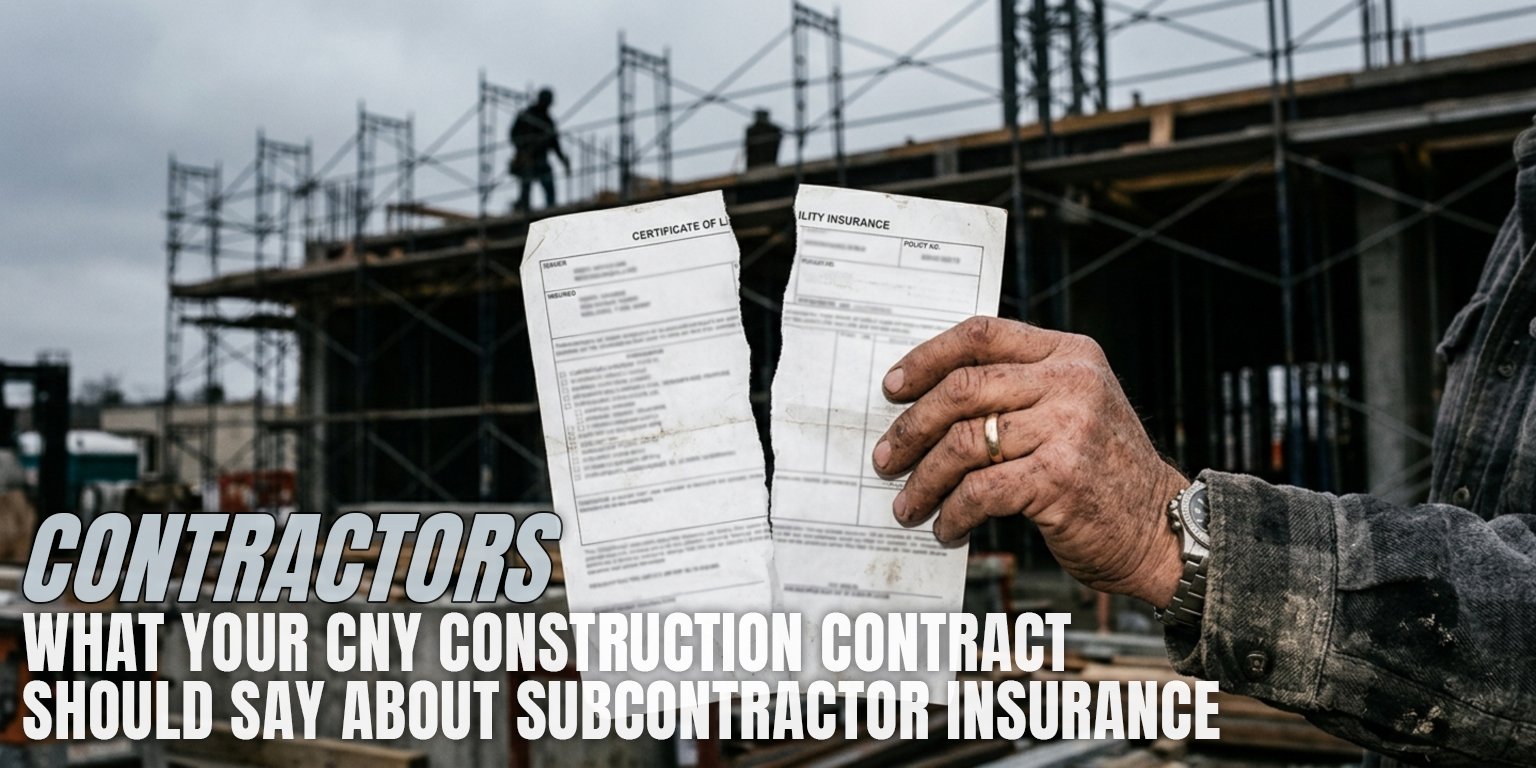
When you're listed as a certificate holder on someone's Certificate of Insurance, your name appears in a specific box near the bottom of the ACORD 25 form. This designation serves an administrative purpose but provides no actual insurance coverage.
Certificate holder status offers three main benefits:
Verification of Active Coverage
Insurance agencies won't issue a certificate listing you as a holder if the contractor's policy has lapsed, entered pending cancellation, or fallen into arrears. This designation confirms the policy was active on the date the certificate was issued.
Potential Notification of Policy Changes
Some carriers provide certificate holders with notices if the contractor's policy is canceled, non-renewed, or altered. However, this notification isn't guaranteed—it depends on the specific carrier and policy terms. You shouldn't rely on receiving these notices.
Documentation for Your Records
The certificate provides a paper trail showing you verified insurance coverage before beginning work with the contractor. This documentation can be valuable if questions arise about your due diligence.
What certificate holder status doesn't provide is any insurance coverage. If a claim arises from the contractor's work, being a certificate holder gives you no access to their policy benefits. You're simply a party who requested confirmation that coverage exists.
Learn more about how a Certificate of Insurance form works.
 How Additional Insured Status Extends Actual Coverage
Additional insured status fundamentally differs from certificate holder designation. When you're an additional insured on a contractor's policy, you could receive actual insurance coverage under their policy for claims arising from their work.
This status requires a specific endorsement to the contractor's policy—not just a checkmark on the certificate. The endorsement modifies the actual insurance contract to extend benefits to your organization.
First-Line Defense Coverage
If someone files a claim against both the contractor and your business for damages arising from the contractor's work, the contractor's policy responds first. Their insurance provides legal defense and pays covered claims before you need to access your own policy or personal resources.
Consider this scenario: You own a manufacturing facility in Camillus and hire a contractor to install new equipment. During installation, the contractor damages your production line, forcing you to shut down operations for repairs. A customer sues both the contractor and your company for failing to deliver products on time.
As an additional insured, the contractor's policy helps provide your legal defense and cover your liability—if the claim stems from the contractor's work. Without additional insured status, you'd need to rely entirely on your own insurance or personal assets.
Broader Liability Coverage
Additional insured coverage typically extends to your organization's vicarious liability for the contractor's operations. If the contractor's employee causes damage while working on your property, coverage could apply even though your company didn't directly cause the harm.
This coverage becomes particularly valuable for property owners, general contractors who hire subcontractors, and businesses that regularly engage vendors for on-site work.
Verification Beyond the Certificate
However, remember that certificates have limitations. The certificate itself doesn't create additional insured status—the policy endorsement does. The certificate merely confirms what exists in the actual policy.
Recognizing the Critical Coverage Gap
The distinction between these two designations creates a significant coverage gap that many Central New York businesses don't recognize until a claim arises.
Being a certificate holder means your verified coverage exists. Being an additional insured means you have coverage.
Many businesses request certificates without specifying additional insured status, assuming their name on the document provides coverage. When a claim occurs, they discover they have no access to the contractor's policy benefits and must rely entirely on their own insurance or personal resources, potentially facing deductible costs and legal defense expenses.
This coverage gap affects businesses throughout Central New York differently depending on your industry and risk exposure. Landlords, property managers, general contractors, and businesses that regularly engage vendors face higher exposure and typically need additional insured status—not just certificate holder designation.
Determining Which Status Your Business Needs
Different business relationships require different coverage levels through insurance documentation.
When Certificate Holder Status Suffices
Certificate holder designation often work for low-risk vendor relationships where you primarily need verification of active coverage. This might include:
- Office cleaning services where the vendor works after hours with minimal interaction with your operations
- Landscaping services for basic grounds maintenance at your facility
- One-time service calls for equipment repairs
In these scenarios, you mainly need confirmation the vendor maintains insurance. You're less concerned about claims being filed against your business arising from their work.
When Additional Insured Status Becomes Essential
Request additional insured status whenever the contractor's or vendor's work creates potential liability for your organization. This includes:
- Construction or renovation projects on property you own or manage
- Subcontractors you hire as a general contractor
- Vendors whose work directly affects your business operations or products
- Service providers working in areas with public access
- Any situation where someone could file a claim against both the vendor and your business
The higher the potential liability exposure, the more critical additional insured status becomes.
Combining Both Designations
You can—and often should—request both certificate holder and additional insured status. Being a certificate holder provides documentation and potential notification of policy changes. Being an additional insured provides potential access to coverage.
Many businesses in Central New York make the mistake of requesting one or the other when they actually need both designations for comprehensive verification and coverage.
Verifying Additional Insured Status on Certificates
The Certificate of Insurance includes a specific checkbox labeled "ADDL INSR" (Additional Insured). When this box contains an "X," it indicates the certificate holder is also designated as an additional insured.
What to Verify Beyond the Checkbox
When you receive a certificate showing additional insured status:
Confirm the policy includes an additional insured endorsement. The certificate should reference this endorsement by number (commonly CG 20 10 or similar designation for commercial general liability policies).
Verify the endorsement scope matches your needs. Some endorsements provide coverage only for ongoing operations, while others include completed operations. The difference matters if a claim arises after the project finishes.
Check that your organization's name appears correctly. Misspellings or incomplete company names can create coverage disputes during claims.
 The Limitation of Description Box Language
Some businesses try to create additional insured status by requesting specific language in the certificate's description of operations box. This approach doesn't work.
Language stating "ABC Company is an additional insured" in the description box doesn't create coverage. The disclaimer at the top of every certificate explicitly states the document doesn't amend or extend policy coverage.
Additional insured status requires an actual policy endorsement—not certificate language.
Addressing Coverage Gaps Before Projects Begin
Many Central New York businesses discover coverage gaps only after a claim arises. By then, addressing the gap becomes significantly more difficult and costly.
Establishing Clear Requirements Upfront
Before engaging contractors or vendors, specify your insurance requirements in writing. State whether you need certificate holder designation, additional insured status, or both.
Include these requirements in your contracts with specific language about the type of additional insured endorsement required and the coverage it must provide. Ensure the additional insured requirement is explicitly mandated in the underlying contract or agreement, making the certificate a reflection of a legal obligation rather than just an administrative formality.
Reviewing Certificates Promptly
When you receive a certificate, review it immediately. Don't wait until the contractor starts work to discover the certificate doesn't meet your requirements.
Verify the certificate includes all required designations, the coverage limits meet your needs, and the policy period covers your entire project timeline.
Following Up on Deficiencies
If a certificate doesn't meet your requirements, address the issue before work begins. Contact the contractor to request a revised certificate or policy endorsement.
Don't allow work to proceed while assuming "we'll sort this out later." Gaps in coverage documentation rarely get resolved once projects are underway.
The distinction between certificate holder and additional insured status represents more than insurance terminology—it determines whether your Central New York business has actual coverage when claims arise from contractors' or vendors' work.
Understanding this difference helps you specify appropriate requirements before engaging contractors, verify you receive the coverage you need, and avoid discovering gaps only after claims occur. Many businesses throughout the region have learned this lesson the expensive way when they assumed their name on a certificate provided coverage it didn't actually offer.
The Horan insurance agency works with Central New York businesses to understand certificate requirements and verify they receive appropriate coverage designations. We can discuss the specific insurance documentation your business should request based on your operations and risk exposure.
Click the Get a Quote button below to learn how we can help you establish insurance requirements that provide the coverage your business needs.

Topics: