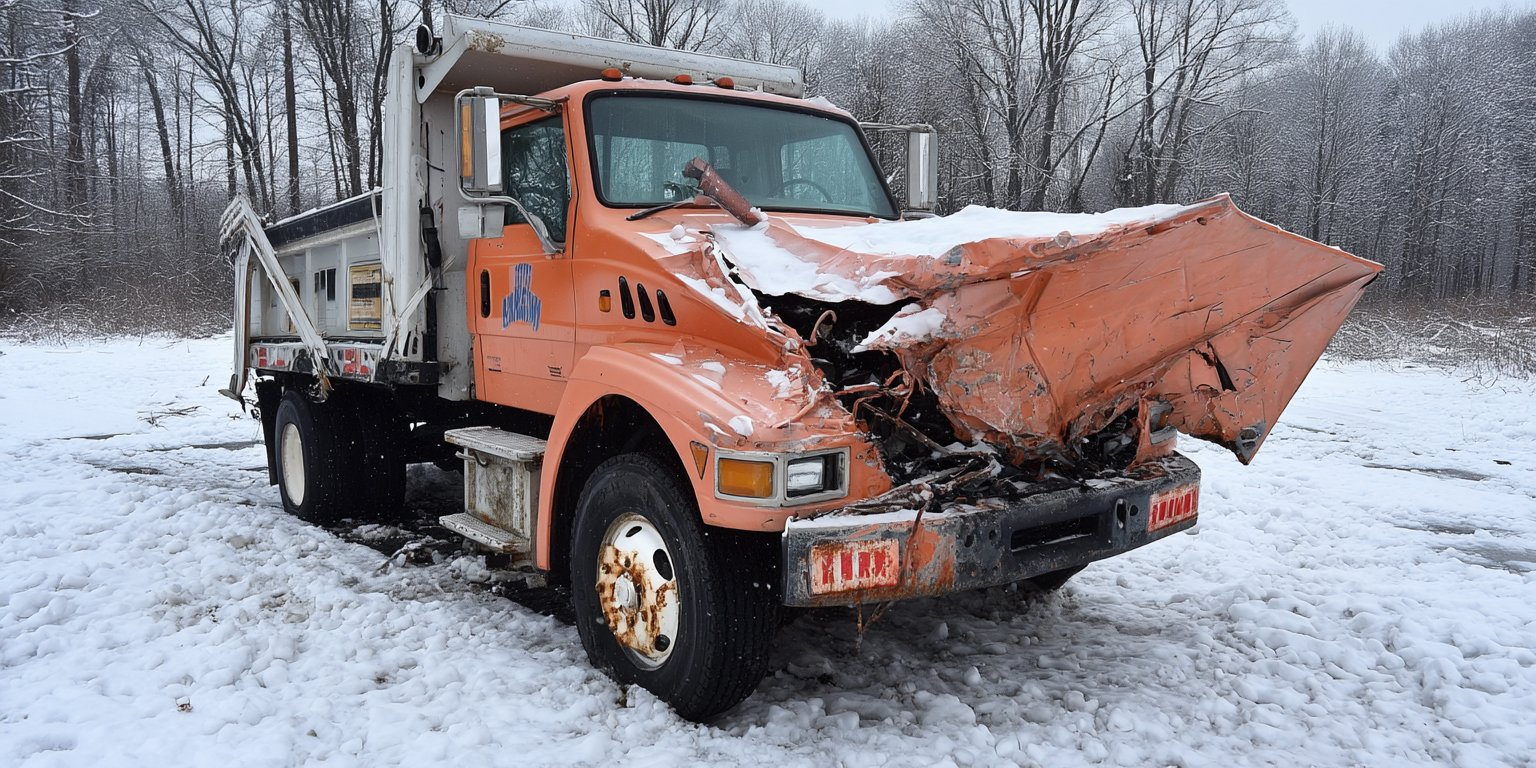

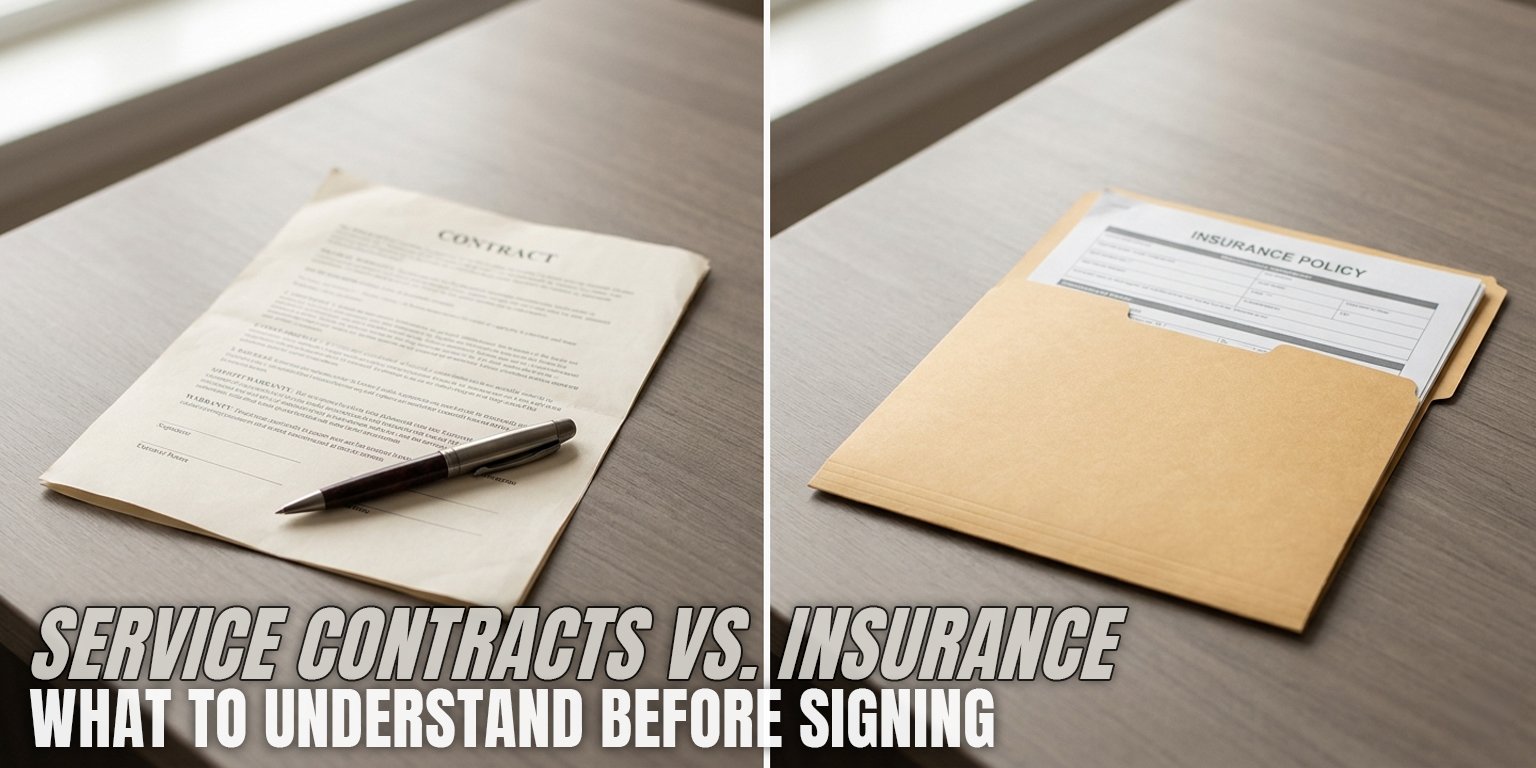
You're sitting across from a finance manager at a dealership in Liverpool or Clay. The paperwork includes something called an extended warranty — or maybe it's labeled mechanical breakdown insurance. Both promise to cover repairs when things go wrong. They look almost identical. But they operate under entirely different legal frameworks in New York State, and that difference has real consequences if a dispute arises.
At the Horan insurance agency, we work with CNY drivers and homeowners to help them understand what they're buying — and what recourse they have if a covered repair gets denied.
In this article, we'll cover how New York law treats service contracts differently from insurance products, why that distinction matters when a claim is disputed, and what questions to ask before you sign.
Extended Warranties Are Not Insurance Products in New York
In New York, service contracts — the category that includes most dealer-sold extended warranties — are regulated under Article 79 of the Insurance Law, not under the same provisions that govern licensed insurance products. The statute explicitly states that selling a service contract does not constitute doing an insurance business in New York.
Service contract providers must register with the state and either maintain a funded reserve or secure a reimbursement insurance policy to back their contracts. But the oversight framework, complaint process, and consumer protections available to you differ from those that apply when you purchase a licensed insurance product.
Why That Regulatory Gap Matters When Something Goes Wrong
When you purchase a licensed insurance product, the New York State Department of Financial Services has authority to investigate improper claim handling and compel action. That pathway doesn't exist for a service contract dispute.
If a provider denies a repair claim or goes out of business mid-contract, your options generally fall under consumer protection law — not insurance law — which is a narrower set of tools.
Here's how the two tend to differ in practice under New York law:
- Cancellation and refund rights: Licensed insurance policies follow statutory cancellation rules. Service contract terms vary by provider and may be less favorable.
- Dispute resolution: Insurance disputes can be escalated to the Department of Financial Services. Service contract disputes typically go through general consumer complaint channels or civil court.
- Claims process: Insurance claims follow a regulated process. Service contract claims depend entirely on the language of the contract — including approved shop restrictions, authorization requirements, and waiting periods.
- Financial backing: Insurers face ongoing solvency oversight. Service contract provider requirements differ and are generally less stringent.
Mechanical Breakdown Insurance Operates Under a Different Standard
Mechanical breakdown insurance is an actual insurance product — licensed under the New York Insurance Law, available through licensed carriers and agencies. Because it falls under insurance regulation, the consumer protections described above apply to it.
To understand how mechanical breakdown insurance works and how it compares to what dealers typically offer, see our article on mechanical breakdown coverage for CNY drivers.
A hypothetical worth considering: say a CNY driver buys a six-year service contract on a used vehicle. Two years in, a major powertrain failure occurs. The service contract provider denies the claim based on contract language.
The driver has no Department of Financial Services complaint pathway — the contract isn't an insurance product. Had the driver purchased mechanical breakdown insurance through a licensed insurer instead, a defined regulatory avenue would have existed for that dispute.
The Same Distinction Applies at Appliance and Electronics Retailers

Service contracts aren't limited to dealerships. Home appliance retailers and electronics stores sell them routinely — and the regulatory gap follows the product, not the venue. A service contract on a refrigerator or furnace is not an insurance product, regardless of who sells it.
CNY homeowners thinking about coverage for home systems and appliances should ask whether an existing homeowners endorsement might address some of those risks. Our article on coverage for high-end home systems and appliances is worth a look before you sign at the register.
Questions Worth Asking Before You Sign
Whether you're at a dealership, an appliance store, or an electronics retailer, a few questions can clarify what you're actually purchasing:
- Is this product regulated as a licensed insurance product under New York law, or as a service contract under Article 79 of the Insurance Law?
- What happens to my contract if the provider goes out of business?
- Are repairs restricted to specific approved facilities?
- What is the cancellation and pro-rata refund policy if I change my mind?
A service contract isn't automatically a bad purchase — but reading the terms carefully matters more than it would with a licensed insurance product, because the regulatory safety net is different.
Helping CNY Residents Understand Their Coverage Options
At the Horan insurance agency, our licensed agents can discuss your coverage options and help you determine where gaps may exist. If you're leasing a vehicle, our articles on insuring a leased car in Central New York and gap insurance for leased vehicles in New York address coverage considerations specific to that situation.
We covered the regulatory distinction between service contracts and insurance because it's one of the most common areas where CNY drivers and homeowners discover — after a denied claim — that they didn't have what they thought they had. Getting clear information before you're put in that position is worth the extra step.
Click the Get a Quote button below to start a conversation with a licensed agent about your coverage.

Topics: