

When a liability claim lands on your doorstep, the impulse to manage it yourself—quietly, quickly, without involving lawyers or carriers—can feel reasonable. It rarely is. Most New York liability policies give the insurer the right to defend that claim on the insured's behalf.
Understanding what that means, and why it works the way it does, can save a Central New York business from absorbing a loss that coverage was designed to address.
At the Horan insurance agency, we help CNY businesses and professionals understand the mechanics of the policies they carry. This article covers how the duty to defend works under standard New York liability policy conditions—and what happens when an insured steps outside those boundaries.
What the Duty to Defend Actually Means
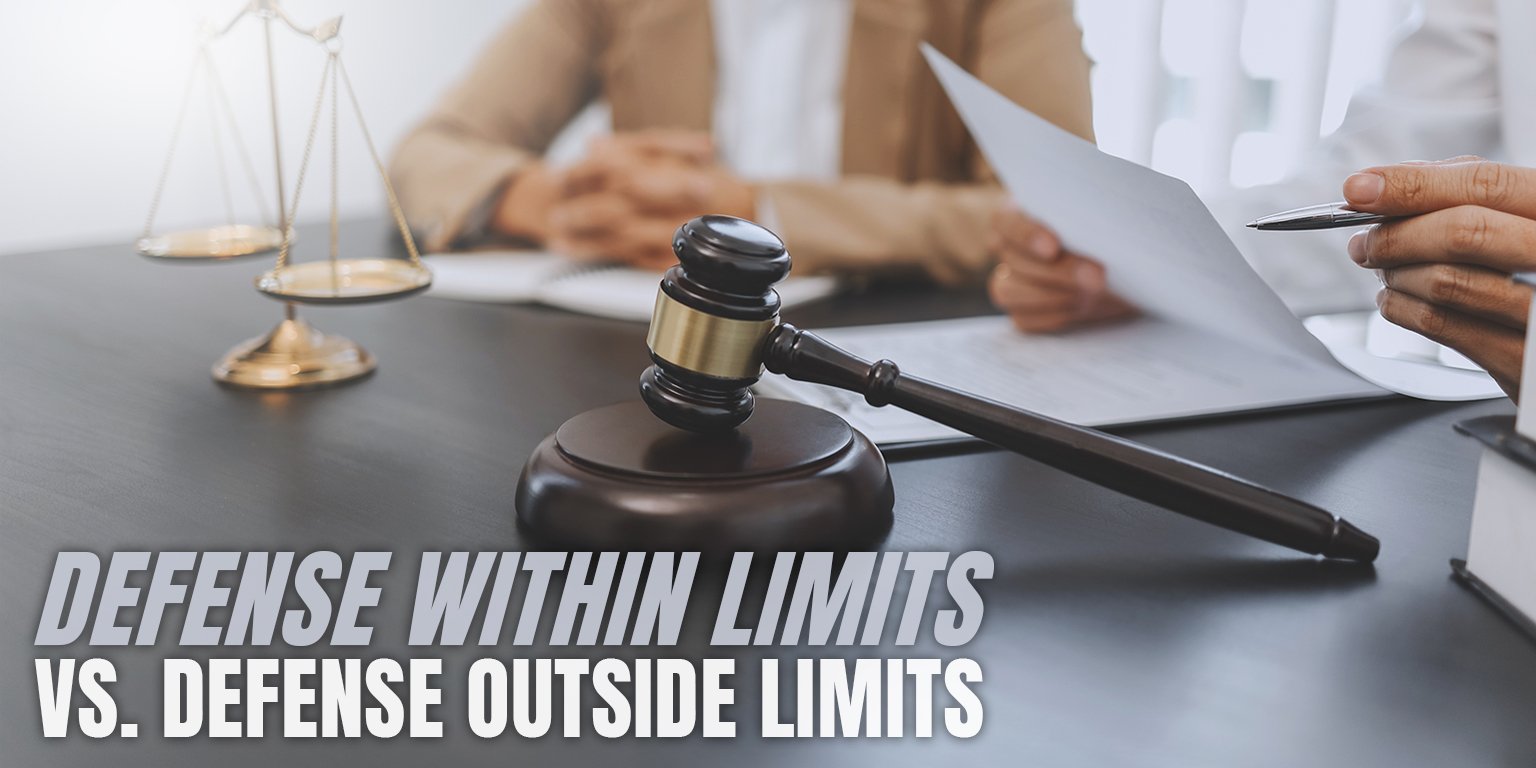
The duty to defend is a contractual obligation written into most general liability and professional liability policies. When a covered claim or suit is brought against the insured, the insurer has both the right and the obligation to provide a legal defense—at the insurer's expense and under the insurer's direction.
That last part matters. The insurer doesn't just fund the defense; they control it. They select defense counsel, direct the investigation, evaluate settlement options, and decide whether and how to resolve the claim. The insured participates by cooperating—not by directing the outcome.
This arrangement exists for a practical reason: the insurer has a financial stake in the result, and they have the experience and resources to manage a defense effectively. An insured acting alone rarely has either.
When the Duty to Defend Is and Isn't Triggered

The duty to defend activates when the insured receives a formal claim, demand letter, or lawsuit alleging a covered loss. Under New York's approach to liability coverage, if the allegations in a complaint could potentially fall within the policy's coverage terms, the insurer is generally required to provide a defense—even while the underlying facts remain disputed.
That defense may be provided under a reservation of rights, meaning the insurer defends the claim while reserving the ability to later contest whether coverage applies to the outcome.
That breadth is a meaningful benefit to the insured. It means the insurer steps in early, before liability is established, and handles the burden and cost of defense from the outset.
A critical distinction is the difference between a formal triggering event and informal pressure from a claimant. A client expressing frustration, a verbal statement that someone may involve a lawyer, or an informal demand for reimbursement without legal backing typically don't trigger the duty to defend.
When in doubt about whether a situation warrants carrier notification, policy conditions generally favor reporting it and letting the insurer make that determination.
The Insurer's Right to Investigate Changes the Outcome
One of the most underappreciated aspects of the duty to defend is what it enables on the investigation side. The insurer's defense team can review contracts, interview witnesses, examine physical evidence, and assess comparative fault—all before any settlement is considered.
Take a hypothetical: a Syracuse-area contractor is sued after a client claims faulty workmanship caused structural damage. The insurer's investigation uncovers that the damage predated the contractor's work, documented in photographs taken during the project. The claim is successfully contested—an outcome that required the insurer's investigative resources, not just the insured's account of events.
New York follows a pure comparative fault standard, meaning the allocation of liability between parties can shift significantly based on evidence. The insurer's investigation is what surfaces that evidence.
What the Cooperation Clause Requires of You
The duty to defend runs in both directions. While the insurer handles the defense, the insured is required to cooperate fully under the policy's cooperation clause. Standard conditions include providing prompt notice of any occurrence, claim, or suit; turning over relevant documents and records; and attending hearings or depositions as requested.
Failing to cooperate—including by making voluntary payments, assuming liability independently, or settling without the insurer's consent—can void the insurer's obligation under the policy. The cooperation clause isn't punitive. It's the mechanism that allows the insurer to do the job the policy assigns them.
Why Independent Action Undermines the Coverage You're Paying For
The scenario where an insured attempts to resolve a claim privately is more common than it sounds. Consider a hypothetical where a business owner in Liverpool settles a slip-and-fall claim directly with the injured party to avoid a lawsuit, or a professional in Cicero pays a client to resolve a dispute over an alleged error.
In both cases, the insurer loses the ability to investigate the facts, contest the allegations, or negotiate the amount.
Under standard policy conditions, those independent settlements may void coverage entirely. The insured has assumed the insurer's role without the insurer's consent—and the policy doesn't cover that outcome.
You may also want to review our articles on understanding your agency's role in the claims process and why New York businesses need professional liability insurance.

The Defense Is a Policy Benefit—Use It
The duty to defend is a significant and often misunderstood element of a liability policy. When a covered claim is filed, the policy provides a defense at no direct additional cost—though policyholders carrying professional liability coverage should be aware that some policies use eroding limits, meaning defense costs reduce the available coverage limit. That's worth a conversation with your agent when selecting coverage.
At the Horan insurance agency, we work with CNY businesses and professionals to help them understand what their liability coverage does when they need it most. We'd like to be a resource you can reach before a situation develops, not after it's already been handled.
Click the Get a Quote button below to speak with a licensed agent about your liability coverage.

Topics: