
Selling a car should feel straightforward — the paperwork, the handshake, the transfer of title. But for many Central New York drivers, the insurance side of the transaction becomes an afterthought, and that's where real problems can begin.
Getting the order of steps wrong after a sale can trigger DMV fines, suspend your registration, and leave a gap in your coverage history that follows you into your next policy. At the Horan insurance agency, we work with drivers across Central New York who are in between vehicles and want to know how to handle the transition without unintended consequences.
In this article, we'll walk through the plate surrender process, what the FS-6T receipt means for your policy, why a coverage lapse can cost you more than you expect, and what options are available to keep your coverage continuous during a gap.
 The Order of Steps After a Sale Matters in New York
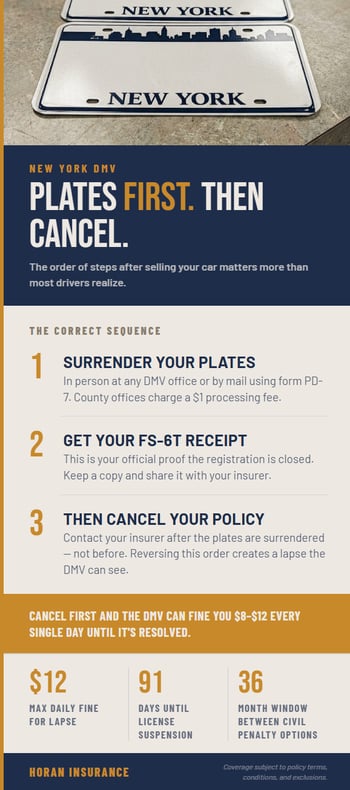
New York State requires registered vehicles to carry continuous insurance. If you cancel your policy before surrendering your plates to the DMV, the state records show an active registration that has gone uninsured — and that triggers consequences regardless of whether you still own the vehicle.
The DMV can assess daily civil penalties ranging from $8 to $12 per day for each day the registration appears uninsured. Suspension of your registration and driver's license can follow until the plates are accounted for or coverage is confirmed. Those fines accumulate quickly, and clearing them up takes time you may not have budgeted for.
The correct sequence is:
- Surrender your plates to a DMV office or by mail
- Obtain your FS-6T receipt confirming the plates were returned
- Contact your insurer to cancel or adjust your policy after the plates are surrendered
Your FS-6T receipt is the DMV's confirmation that your registration has been properly closed. Keep a copy for your records and share it with your insurer when you call to cancel.
What If You Already Sold the Car but Kept the Plates?

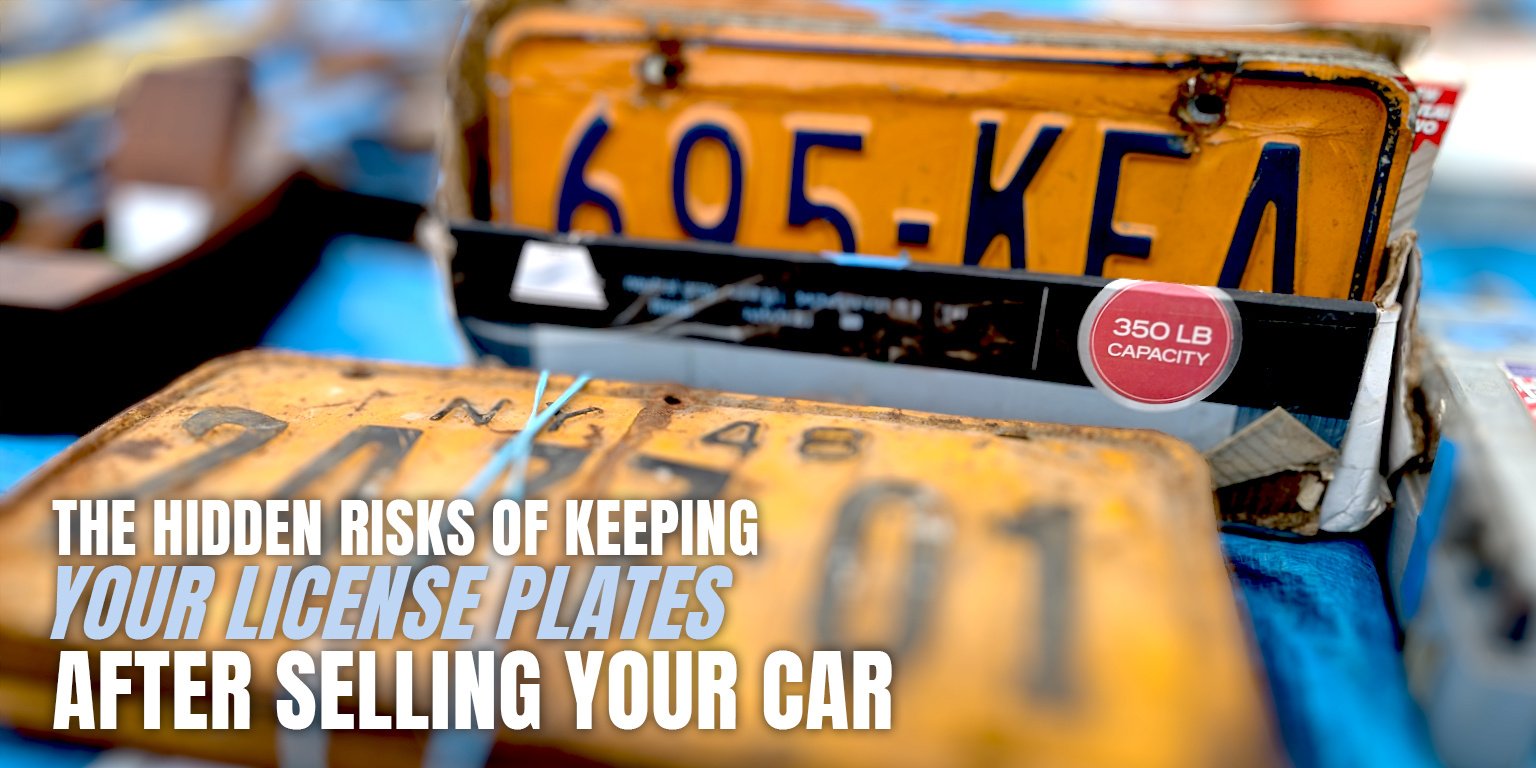
In New York, plates belong to the registered owner — not the vehicle. That means keeping your plates after a sale is permitted, especially if you plan to transfer them to a replacement vehicle soon. The problem arises when you drop your insurance while those plates are still active.
If that's your situation, the practical step is to either surrender the plates before making any changes to your insurance or keep your policy active until you do. Our article on the risks of holding onto your plates after a sale walks through this process in more detail.
Keeping Your Coverage Continuous Without a Vehicle
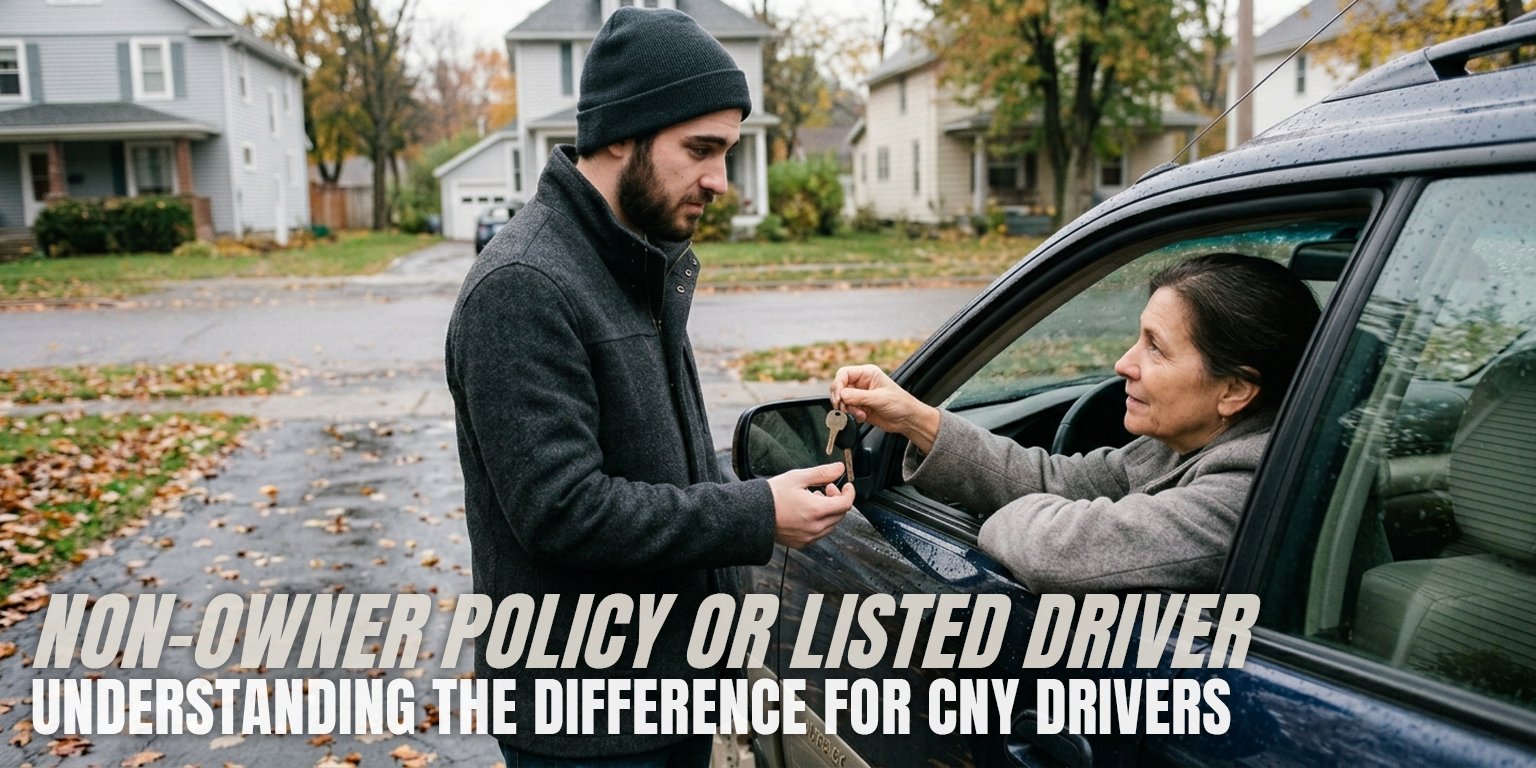
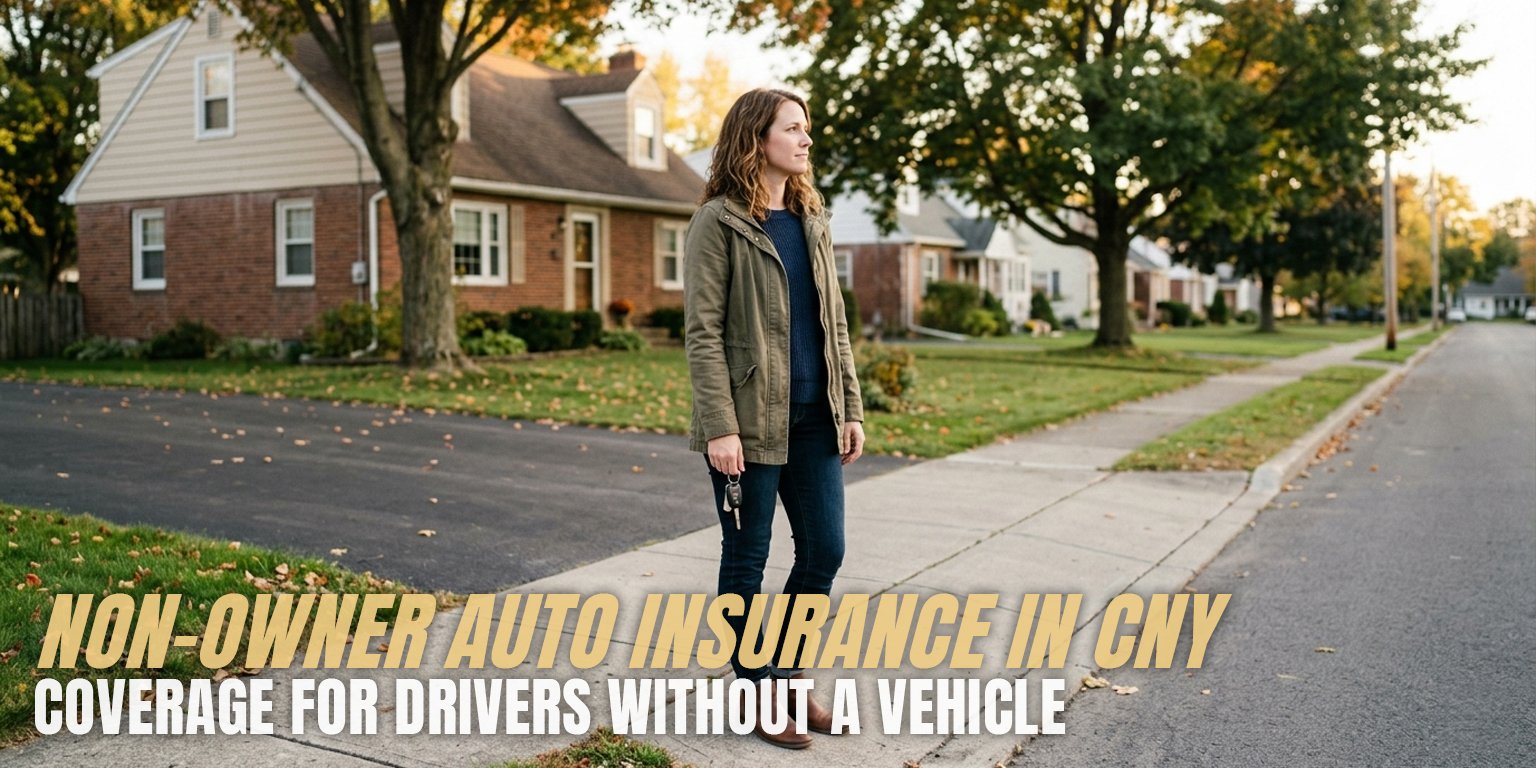
If you've sold your car and aren't replacing it right away, a non-owner auto insurance policy is worth considering. It's a liability policy that follows you as a driver rather than a specific vehicle. It can provide coverage when you borrow a car from someone outside your household or rent a vehicle, and it keeps your coverage history from showing a gap.
Non-owner policies are generally more affordable than standard auto policies, though your driving record and chosen limits will affect the actual premium. Not every carrier offers them, but several that Horan works with do make them available in New York.
Our article on non-owner auto insurance in Central New York covers what this coverage includes, who it's designed for, and what the application process looks like.
A Note on Plate Transfers
If you're planning to purchase a replacement vehicle soon, you may be able to transfer your plates to the new registration rather than surrendering them. This can simplify the insurance transition and keep your registration chain intact. Your DMV office or a licensed agent can walk you through what the transfer process requires based on your specific timing.
Before You Hand Over the Keys
To avoid DMV exposure and unnecessary gaps in your coverage history, here are the steps to keep in mind:
- Surrender your plates before canceling your insurance
- Obtain and keep your FS-6T receipt, and share it with your insurer when you cancel
- Consider a non-owner policy if you won't have a replacement vehicle for several months
- Ask a licensed agent how a lapse might affect the rates you're quoted when you return to the market
Getting the sequence right costs very little. Getting it wrong can mean daily fines, a suspended license, and premiums that are higher than they need to be when you're ready to buy again.
A licensed agent can walk you through what applies to your situation and what non-owner options may be available through the carriers Horan represents. Click the Get a Quote button below to start that conversation.

Topics: