
You've done the responsible thing — you bought a commercial property policy, kept up with your premiums, and moved on with running your business. So when a loss hits, you expect your coverage to hold up. But some Central New York business owners are surprised to find their carrier pays significantly less on a claim than anticipated. The policy didn't fail them. A clause they may have never noticed did.
At the Horan insurance agency, we work with business owners throughout Central New York to help them understand how their commercial property coverage actually works — including requirements that can affect what gets paid after a loss. We work with multiple carriers and can help you explore coverage options that fit your situation.
In this article, we'll explain what the coinsurance clause is, walk through an example of how it affects a claim, and cover what CNY business owners can do to avoid an unexpected shortfall.
What the Coinsurance Clause Requires of You

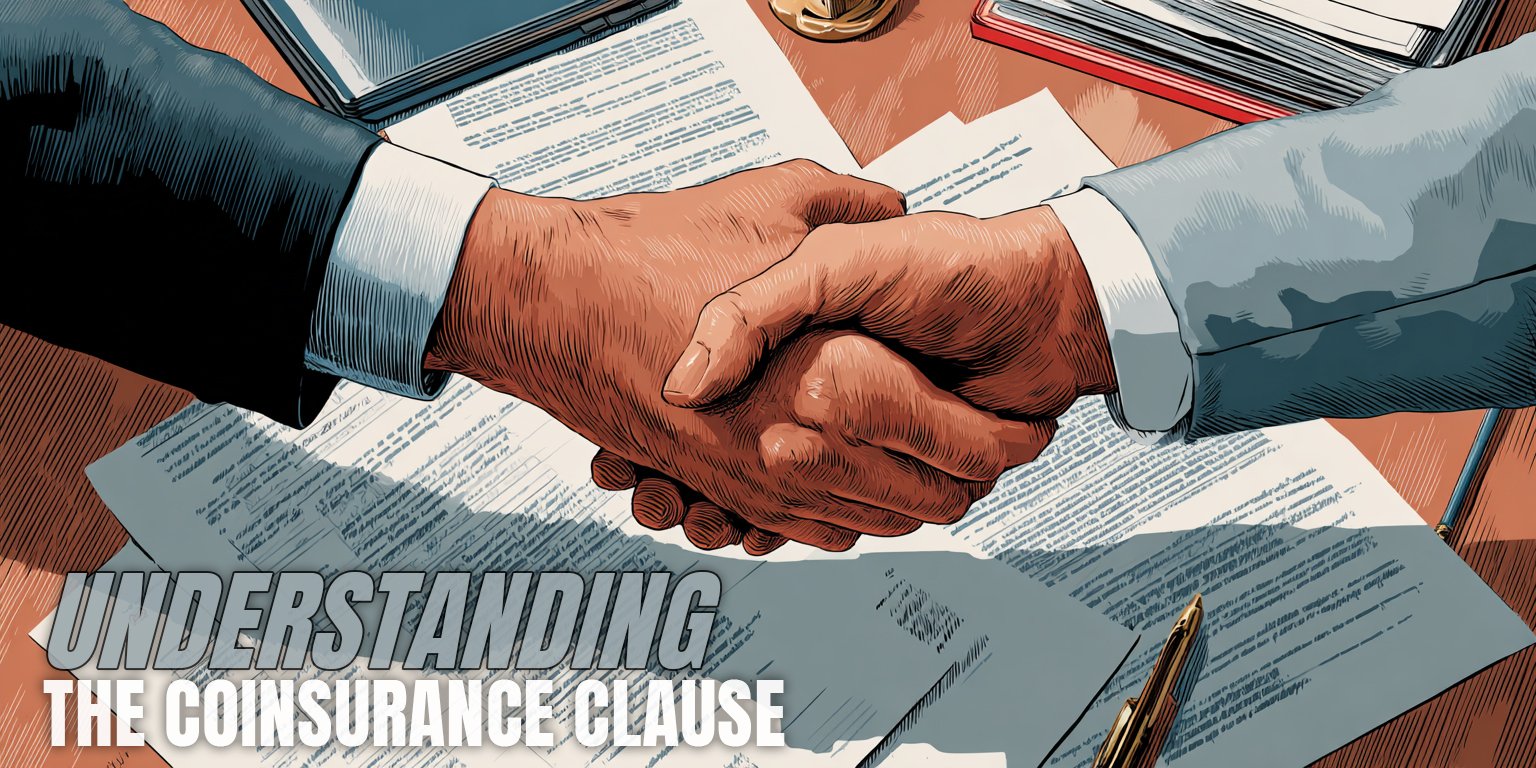
Commercial property policies commonly include a coinsurance clause — typically requiring you to insure your building for at least 80 or 90 percent of its full replacement cost. Carriers build this requirement into their policies because they price premiums assuming you're carrying adequate coverage relative to the property's value.
If your coverage falls short of that threshold, the clause treats you as a partial co-insurer on your own loss.
The math is straightforward, but the outcome catches many owners off guard.
Consider a hypothetical: a business owner in the Syracuse area has a warehouse with a replacement cost of $500,000. The policy carries an 80 percent coinsurance requirement, meaning coverage should be at least $400,000. Instead, the limit sits at $300,000 — set years ago and never revisited.
When a fire causes $100,000 in damage, the owner expects the policy to respond in full. The coinsurance formula, however, calculates it this way:
- Coverage carried: $300,000
- Coverage required: $400,000
- Ratio: 75%
- Carrier pays: 75% of $100,000 = $75,000
That $25,000 difference — on top of the deductible — comes directly from the business owner. Not because the claim was denied, but because the coverage limit fell short of what the clause required.
A Note on New York State
New York State law does not prohibit coinsurance clauses in commercial property policies, and carriers writing policies in the Central New York market commonly include them. Not every policy carries one — some carriers offer agreed value options that suspend the clause entirely — but when it's present, it applies to every covered loss regardless of size.
Why CNY Business Owners Drift Into Coinsurance Shortfalls
This situation rarely results from carelessness. A few factors tend to push commercial property owners in Central New York into underinsurance over time:
- Rising construction costs. Material and labor costs in the region have climbed steadily. A building that cost $300,000 to construct a decade ago may cost considerably more to rebuild today.
- Infrequent policy reviews. Limits that were adequate at the last renewal may no longer reflect current replacement costs, particularly after renovations or periods of significant inflation.
How to Address the Problem Before a Claim Occurs
The coinsurance clause isn't a trap — it's a known policy condition that can be managed when you address it before a loss happens.
A few options worth discussing with a licensed agent:
- Agreed value endorsement. This suspends the coinsurance clause by establishing an agreed replacement value with your carrier upfront. When a loss occurs, the coinsurance calculation doesn't apply.
- Replacement cost appraisal. A professional appraisal of your building's current replacement cost — not its market value or purchase price — gives you a reliable baseline for setting coverage limits.
- Annual policy review. Revisiting your limits each year, particularly after renovations or additions, keeps your coverage aligned with your actual exposure.
Understanding how the coinsurance clause works is the first step toward making sure it doesn't work against you.

Make Sure Your Coverage Reflects What Your Property Is Worth Today
Running a business in Central New York means managing enough variables already. When business owners understand how the coinsurance clause functions, they're in a far better position to make informed decisions about their limits before a loss occurs. Those who overlook it may find themselves absorbing a portion of a claim they thought was fully covered.
At the Horan insurance agency, we aim to be a resource for Central New York business owners who want to understand their commercial property coverage — not just hold a policy. As an independent agency working with multiple carriers, we can discuss coinsurance requirements and help you explore options like agreed value endorsements that may better reflect how your property is valued today.
Click the Get a Quote button below to talk with one of our licensed agents about your commercial property coverage.

Topics: